THE ADVENTURE COLLECTIVE® · Independent discovery and booking for outdoor travel

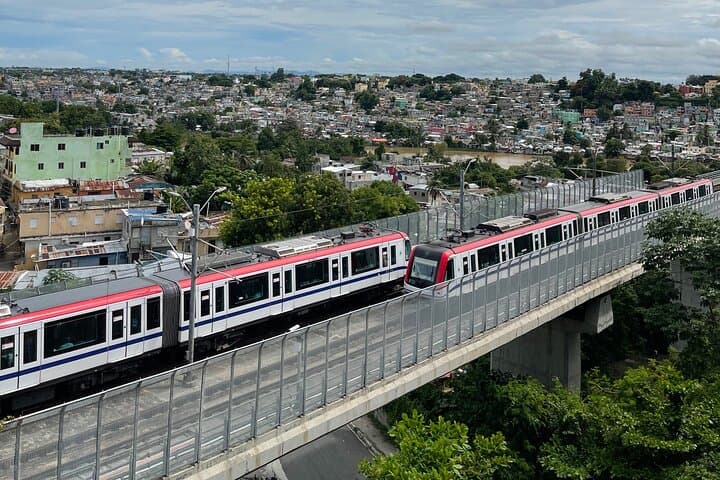
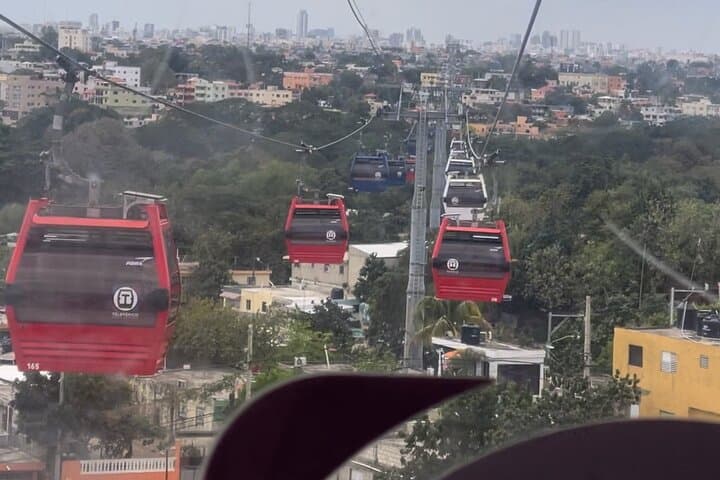
Walk beyond the Colonial Zone with local guides to taste helado de fundita, visit a dembow studio, ride a cable car for sweeping views, and finish on the metro. This half-day tour delivers close-up neighborhood life with practical, easy walking.
Walk beyond the Colonial Zone with local guides to taste helado de fundita, visit a dembow studio, ride a cable car for sweeping views, and finish on the metro. This half-day tour delivers close-up neighborhood life with practical, easy walking.
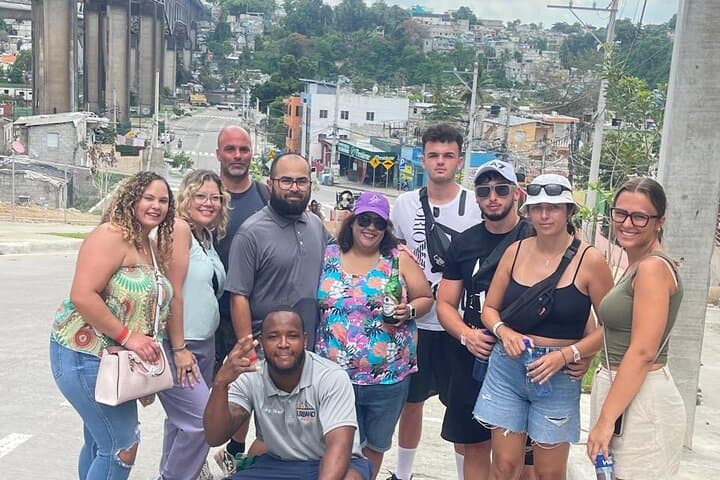
You step out of the Colonial Zone and into a different heartbeat — narrow streets open to colorful houses, vendors call over frying pans, and a warm Caribbean breeze pushes you forward. Guides born and raised in these barrios point out a corrugated gate, a hand-painted sign, a baseball diamond where afternoon games shape the week. The city speaks in rhythms: dembow beats from a nearby studio, the hiss of a coffee pour, the laughter of neighbors rearranging chairs.
Verified experiences and guided adventures in the surrounding area.
Operated by JRRJ Urbano Tours · Santo Domingo, Distrito Nacional
You step out of the Colonial Zone and into a different heartbeat — narrow streets open to colorful houses, vendors call over frying pans, and a warm Caribbean breeze pushes you forward. Guides born and raised in these barrios point out a corrugated gate, a hand-painted sign, a baseball diamond where afternoon games shape the week. The city speaks in rhythms: dembow beats from a nearby studio, the hiss of a coffee pour, the laughter of neighbors rearranging chairs.
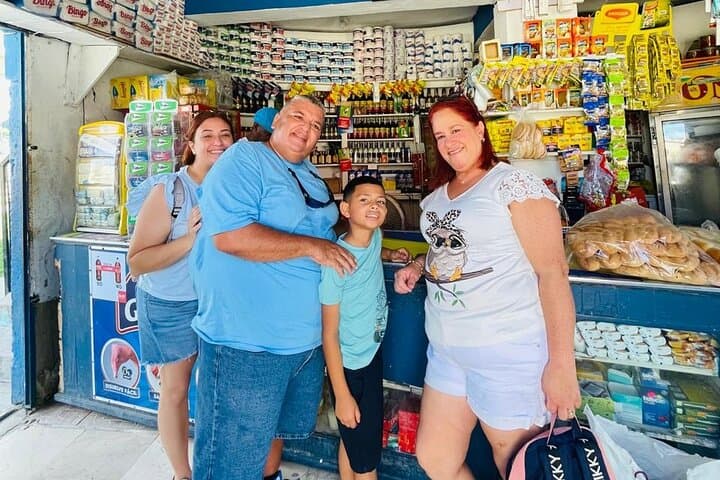
Santo Domingo is the oldest European-founded city in the Americas; its colonial stones sit downriver from neighborhoods that grew with fishermen, laborers and musicians. Geologically the city rests on a coastal alluvial plain fed by short, steep rivers — the Caribbean Sea is never far, and views from the cable car reveal the city’s spread and mangrove edges. Culturally this is where paladares, small shops (colmados), and communal life intersect with modern metro lines and booming music studios.
Expect a brisk but easy half-day: street-level stories, market tastings like helado de fundita and a chimi (afternoon tours), a coffee stop, a visit to a dembow studio, cable car panoramas and a metro ride back. Guides handle local logistics; wear supportive shoes, carry water, and bring small bills for snacks or tips. A boat add-on cruises beneath six historic bridges and sketches colonial landmarks from the water if you want a longer perspective.
This tour balances urban exploration and practical access — it’s immersive, low-impact, and ideal for travelers who want local texture without strenuous effort.
easy.
4 hours.
Suitable for most fitness levels; involves 2–3 miles of mostly flat walking with short standing stops
Expect roughly 2–3 miles of walking over 4 hours with frequent stops for tastings and viewpoints; terrain is mostly flat.
Yes — the tour notes stroller accessibility and is suitable for families, though some streets can be narrow or crowded.
The tour includes specific tastings like helado de fundita, coffee and bottled water; meals beyond included snacks are at your expense.
Yes — the boat ride is an add-on that requires good weather and may add time; book in advance or confirm availability with the operator.
Santo Domingo was founded in 1496 and contains the Americas’ earliest European-built structures; its neighborhoods grew as working-class quarters tied to port and sugar-era economies.
Urban development pressures and coastal runoff impact local mangroves; tours encourage low-waste practices and support small local businesses to keep economic benefits local.
JRRJ Urbano Tours operates guided outdoor trips and adventures with an emphasis on safety, stewardship, and memorable experiences.
You step out of the Colonial Zone and into a different heartbeat — narrow streets open to colorful houses, vendors call over frying pans, and a warm Caribbean breeze pushes you forward. Guides born and raised in these barrios point out a corrugated gate, a hand-painted sign, a baseball diamond where afternoon games shape the week. The city speaks in rhythms: dembow beats from a nearby studio, the hiss of a coffee pour, the laughter of neighbors rearranging chairs.
You step out of the Colonial Zone and into a different heartbeat — narrow streets open to colorful houses, vendors call over frying pans, and a warm Caribbean breeze pushes you forward. Guides born and raised in these barrios point out a corrugated gate, a hand-painted sign, a baseball diamond where afternoon games shape the week. The city speaks in rhythms: dembow beats from a nearby studio, the hiss of a coffee pour, the laughter of neighbors rearranging chairs.
Santo Domingo is the oldest European-founded city in the Americas; its colonial stones sit downriver from neighborhoods that grew with fishermen, laborers and musicians. Geologically the city rests on a coastal alluvial plain fed by short, steep rivers — the Caribbean Sea is never far, and views from the cable car reveal the city’s spread and mangrove edges. Culturally this is where paladares, small shops (colmados), and communal life intersect with modern metro lines and booming music studios.
Expect a brisk but easy half-day: street-level stories, market tastings like helado de fundita and a chimi (afternoon tours), a coffee stop, a visit to a dembow studio, cable car panoramas and a metro ride back. Guides handle local logistics; wear supportive shoes, carry water, and bring small bills for snacks or tips. A boat add-on cruises beneath six historic bridges and sketches colonial landmarks from the water if you want a longer perspective.
This tour balances urban exploration and practical access — it’s immersive, low-impact, and ideal for travelers who want local texture without strenuous effort.