THE ADVENTURE COLLECTIVE® · Independent discovery and booking for outdoor travel

Drop into a lively one-hour studio class in Santo Domingo and learn salsa, bachata or merengue from bilingual instructors. This compact cultural experience mixes technique, music history and practical footwork for beginners and intermediates.
Drop into a lively one-hour studio class in Santo Domingo and learn salsa, bachata or merengue from bilingual instructors. This compact cultural experience mixes technique, music history and practical footwork for beginners and intermediates.
The studio door opens to a street that hums—moped exhaust, the distant push of the Ozama River, the cadence of percussion leaking from a practice room.
Verified experiences and guided adventures in the surrounding area.
Operated by Saoko Experience · Santo Domingo, Distrito Nacional
The studio door opens to a street that hums—moped exhaust, the distant push of the Ozama River, the cadence of percussion leaking from a practice room.
In Santo Domingo, a one-hour class folds city rhythm into footwork: salsa’s quick turns, bachata’s intimate lead-follow, merengue’s two-step pulse. Classes run in English, Spanish or French and are taught in a compact dance space where mirrors and laminated tile translate every step.
The island’s music threads history and migration: Santo Domingo, founded in 1496 on the Caribbean shore, is where European, African and indigenous influences recomposed into merengue and later bachata. Those styles carry the city’s cultural memory—call-and-response vocals, accordion and güira clacking—shaped by urban life along the river and the port.
Practical guidance is straightforward. Sessions are 60 minutes and accommodate beginners through intermediate levels; groups are capped (often 12), and private-group bookings are possible. Public transit options put the studio within reach of central hotels; service animals are allowed. Expect a playful, instructor-led format focused on partner basics, timing and a few choreographed sequences.
Prepare to move: breathable clothes, supportive shoes with a smooth sole and a small towel will make an hour of concentrated practice more enjoyable. Hydrate before class and arrive 10–15 minutes early to warm up and choose a spot.
For travelers wanting a compact cultural immersion, a single class delivers technique, local sound, and a hands-on connection to Dominican social life—ideal as an afternoon activity between historic sights and evenings on the Malecón.
easy.
1 hour.
Suitable for most fitness levels; basic stamina for standing and repeated steps recommended
No—classes accept beginners and intermediate students; instructors will tailor steps and partner work to the group level.
Instructors can teach in English, Spanish or French—indicate your preference when booking.
Group classes typically cap around 12 participants, but private group bookings are available for larger parties.
For a full refund cancel at least 24 hours before the scheduled start time; cancelations within 24 hours are non-refundable.
Santo Domingo, founded in 1496, is the oldest continuously inhabited European settlement in the Americas; local music forms like merengue and bachata evolved from a blend of African, European and indigenous influences.
Studios and tour operators encourage low-waste practices—bring refillable bottles and use public transport when possible to reduce local traffic and emissions.
Saoko Experience operates guided outdoor trips and adventures with an emphasis on safety, stewardship, and memorable experiences.
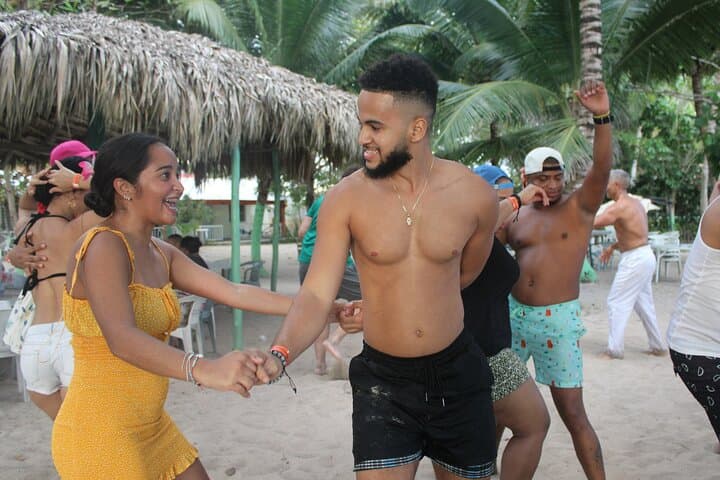
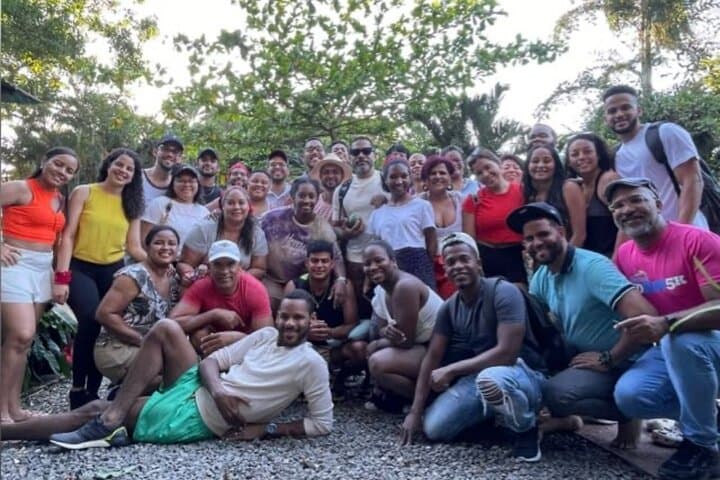
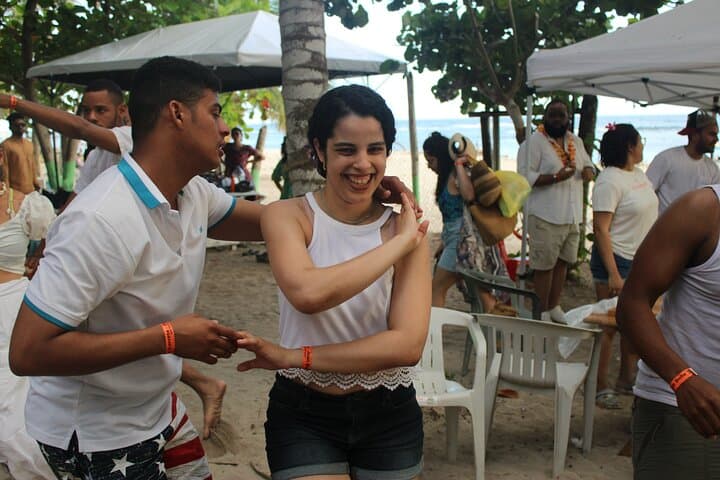
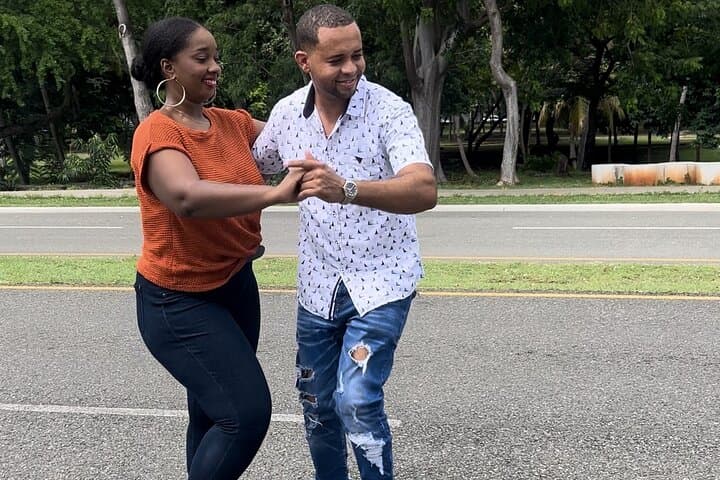
The studio door opens to a street that hums—moped exhaust, the distant push of the Ozama River, the cadence of percussion leaking from a practice room.
The studio door opens to a street that hums—moped exhaust, the distant push of the Ozama River, the cadence of percussion leaking from a practice room.
In Santo Domingo, a one-hour class folds city rhythm into footwork: salsa’s quick turns, bachata’s intimate lead-follow, merengue’s two-step pulse. Classes run in English, Spanish or French and are taught in a compact dance space where mirrors and laminated tile translate every step.
The island’s music threads history and migration: Santo Domingo, founded in 1496 on the Caribbean shore, is where European, African and indigenous influences recomposed into merengue and later bachata. Those styles carry the city’s cultural memory—call-and-response vocals, accordion and güira clacking—shaped by urban life along the river and the port.
Practical guidance is straightforward. Sessions are 60 minutes and accommodate beginners through intermediate levels; groups are capped (often 12), and private-group bookings are possible. Public transit options put the studio within reach of central hotels; service animals are allowed. Expect a playful, instructor-led format focused on partner basics, timing and a few choreographed sequences.
Prepare to move: breathable clothes, supportive shoes with a smooth sole and a small towel will make an hour of concentrated practice more enjoyable. Hydrate before class and arrive 10–15 minutes early to warm up and choose a spot.
For travelers wanting a compact cultural immersion, a single class delivers technique, local sound, and a hands-on connection to Dominican social life—ideal as an afternoon activity between historic sights and evenings on the Malecón.