THE ADVENTURE COLLECTIVE® · Independent discovery and booking for outdoor travel

Walk the oldest European-founded district in the Americas with a local guide. This 1.5–2 hour private tour through Santo Domingo’s Colonial Zone blends architecture, history and practical tips for navigating cobbled streets and cultural sites.
Walk the oldest European-founded district in the Americas with a local guide. This 1.5–2 hour private tour through Santo Domingo’s Colonial Zone blends architecture, history and practical tips for navigating cobbled streets and cultural sites.
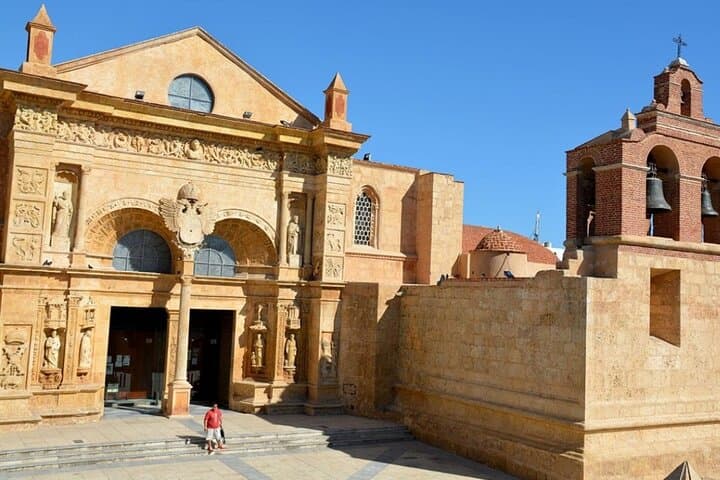
Morning light spills across Plaza Colón and the cobblestones warm underfoot as a guide waits by the statue of Nicolás de Ovando. The city hums—vendors set out stalls, church bells measure time—and the Colonial Zone opens like a living map: plazas, a cathedral façade still bearing the weather of five centuries, and alleys that funnel the Atlantic breeze into courtyard cafés.
Verified experiences and guided adventures in the surrounding area.
Operated by Coprixa Travels · Santo Domingo, Distrito Nacional
Morning light spills across Plaza Colón and the cobblestones warm underfoot as a guide waits by the statue of Nicolás de Ovando. The city hums—vendors set out stalls, church bells measure time—and the Colonial Zone opens like a living map: plazas, a cathedral façade still bearing the weather of five centuries, and alleys that funnel the Atlantic breeze into courtyard cafés.
This compact district is the oldest continuously inhabited European settlement in the Americas. Founded in the late 15th century, its stone fortifications, churches and administrative buildings reflect Spanish colonial urban planning—rectilinear streets, defensive forts like Ozama, and civic spaces such as Parque Colón. Geologically the area sits on low coastal plains with limestone bedrock and sandy fills where the harbor meets the city; the proximity to the sea shaped both commerce and architecture.
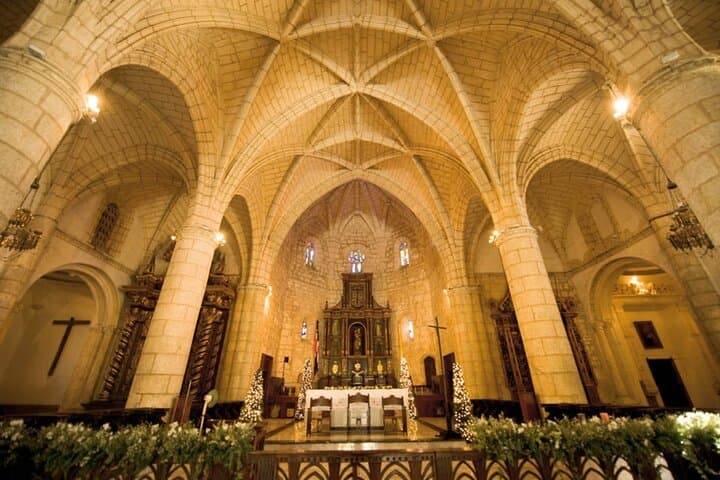
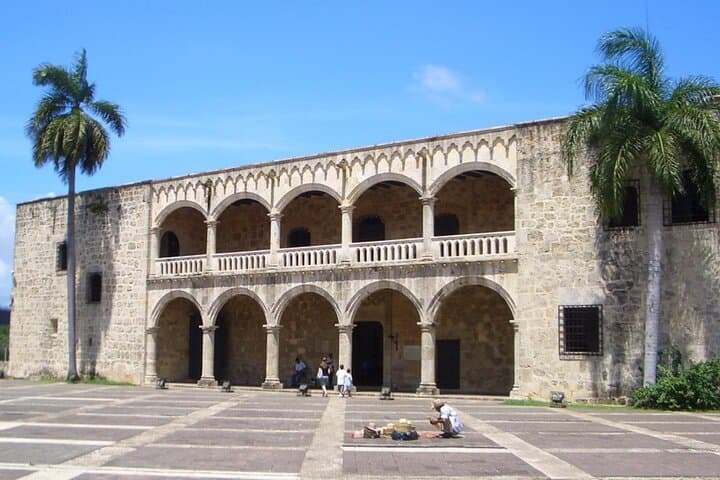
Culturally, the Zona Colonial is a crossroads: Creole rhythms spill from doorways while museums curate artifacts from colonial administrations and early independence movements. Guides typically point out the Catedral Primada de América, the Alcázar de Colón and the National Pantheon, explaining how trade, conquest and local resistance shaped modern Dominican identity.
Practical guidance: the tour runs about 1.5–2 hours and is mostly flat walking on uneven historic paving—comfortable, supportive shoes are essential. Bring sun protection and water; mid-morning or late afternoon departures avoid the hottest sun and the busiest cruise-ship crowds. Expect short stops at monuments and photo opportunities; some interiors require modest entry fees or timed access. The route is stroller-accessible in parts, but narrow lanes and steps appear. Respect local signage, follow your guide’s timing, and leave room for spontaneous café breaks—this is a neighborhood as much as a museum.
easy.
1.5–2 hours.
Suitable for most fitness levels; requires standing and walking on uneven historic paving for up to two hours.
The meeting point is in front of the statue of Nicolás de Ovando at Parque Colón in the heart of the Colonial Zone.
Parts of the route and main plazas are stroller-accessible, but narrow lanes and steps may limit full wheelchair access—check with the operator for accommodations.
Most exterior sites are covered by the guided commentary; museum entries or interior admissions are typically not included and, if applicable, are noted by the guide.
Language options can vary by guide—confirm availability (Spanish/English) at booking or request a specific language in advance.
The Colonial Zone preserves early 16th-century Spanish urban planning and is home to the Catedral Primada de América, one of the earliest cathedrals built in the New World.
UNESCO designation drives preservation efforts; visitors can help by staying on marked routes, avoiding climbing on ruins and supporting local conservation-minded businesses.
Coprixa Travels operates guided outdoor trips and adventures with an emphasis on safety, stewardship, and memorable experiences.
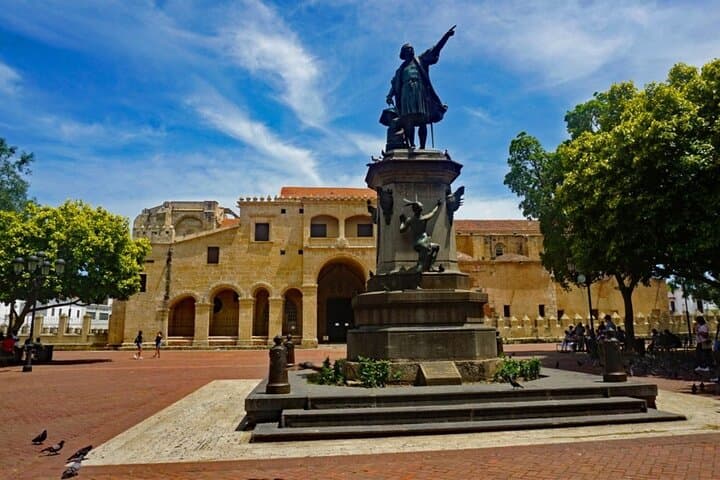
Morning light spills across Plaza Colón and the cobblestones warm underfoot as a guide waits by the statue of Nicolás de Ovando. The city hums—vendors set out stalls, church bells measure time—and the Colonial Zone opens like a living map: plazas, a cathedral façade still bearing the weather of five centuries, and alleys that funnel the Atlantic breeze into courtyard cafés.
Morning light spills across Plaza Colón and the cobblestones warm underfoot as a guide waits by the statue of Nicolás de Ovando. The city hums—vendors set out stalls, church bells measure time—and the Colonial Zone opens like a living map: plazas, a cathedral façade still bearing the weather of five centuries, and alleys that funnel the Atlantic breeze into courtyard cafés.
This compact district is the oldest continuously inhabited European settlement in the Americas. Founded in the late 15th century, its stone fortifications, churches and administrative buildings reflect Spanish colonial urban planning—rectilinear streets, defensive forts like Ozama, and civic spaces such as Parque Colón. Geologically the area sits on low coastal plains with limestone bedrock and sandy fills where the harbor meets the city; the proximity to the sea shaped both commerce and architecture.
Culturally, the Zona Colonial is a crossroads: Creole rhythms spill from doorways while museums curate artifacts from colonial administrations and early independence movements. Guides typically point out the Catedral Primada de América, the Alcázar de Colón and the National Pantheon, explaining how trade, conquest and local resistance shaped modern Dominican identity.
Practical guidance: the tour runs about 1.5–2 hours and is mostly flat walking on uneven historic paving—comfortable, supportive shoes are essential. Bring sun protection and water; mid-morning or late afternoon departures avoid the hottest sun and the busiest cruise-ship crowds. Expect short stops at monuments and photo opportunities; some interiors require modest entry fees or timed access. The route is stroller-accessible in parts, but narrow lanes and steps appear. Respect local signage, follow your guide’s timing, and leave room for spontaneous café breaks—this is a neighborhood as much as a museum.