THE ADVENTURE COLLECTIVE® · Independent discovery and booking for outdoor travel

Walk the oldest European streets in the Americas while sampling Dominican coffee, beer and mama juana. This two-hour small-group tour combines compact history, iconic landmarks and local flavors in Santo Domingo’s Colonial Zone.
Walk the oldest European streets in the Americas while sampling Dominican coffee, beer and mama juana. This two-hour small-group tour combines compact history, iconic landmarks and local flavors in Santo Domingo’s Colonial Zone.
The cobblestones of the Colonial Zone click underfoot as the guide leads a small group through a city that still moves at the pace of the 16th century. Morning light finds shadowed arches and lime-washed facades; the air carries the sharp sweetness of roasting coffee and the low murmur of vendors preparing for the day.
Verified experiences and guided adventures in the surrounding area.
Operated by Xcape Tours · Santo Domingo, Santo Domingo
The cobblestones of the Colonial Zone click underfoot as the guide leads a small group through a city that still moves at the pace of the 16th century. Morning light finds shadowed arches and lime-washed facades; the air carries the sharp sweetness of roasting coffee and the low murmur of vendors preparing for the day.
This walking tour threads key landmarks—Parque Colón, the Catedral Primada de América, Calle Las Damas and the Ozama Fortress—into a compact cultural narrative. Santo Domingo, founded in 1496, is the Americas’ first permanent European city; its stone streets record early colonial planning, seismic repairs, and later 19th-century republican struggles. Geology here is subtle: limestone foundations, coastal plains and the nearby Ozama River shaped placement and defense. Culturally, the Colonial Zone blends Creole street life with Spanish chivalry—expect bilingual stories, rum-laced mama juana notes, and the steady presence of Catholic ritual at the cathedral.
Practical guidance: this is an easy, mostly flat two-hour stroll with frequent stops. Wear closed shoes for uneven cobbles, bring sunscreen and a refillable bottle—the tour includes one bottled water and tastings of local beer and a specialty hot drink. Museums and some interiors can close for restoration or Mondays; guides adapt the route accordingly. Photography is excellent at mid-morning or late afternoon when light softens facades. For a quieter experience, choose the earlier departure and plan additional time afterward to linger in Plaza de España cafés. The experience is low-impact but culturally dense: respect dress codes at religious sites and budget a small amount of cash for souvenirs or additional tastings.
easy.
2 hours.
Suitable for most fitness levels—requires standing and walking on uneven surfaces for up to two hours.
The tour includes complimentary admission to one museum and the cathedral when open, but closures for events or maintenance can prevent access; the guide provides exterior explanations if interiors are closed.
Yes—suitable for most ages; infants may use strollers but must sit on a lap when required by venue policies.
The tour includes a specialty drink and local beer tasting; bring small cash for extra purchases or additional tastings at local vendors.
Yes—guides present information in both English and Spanish during the small-group experience.
Founded at the end of the 15th century, Santo Domingo served as Spain’s administrative base in the New World; many buildings date to the 1500s though several are under restoration.
Ongoing restoration projects aim to stabilize colonial structures while managing tourist impact; visitors should follow marked paths and avoid touching fragile masonry.
Xcape Tours operates guided outdoor trips and adventures with an emphasis on safety, stewardship, and memorable experiences.
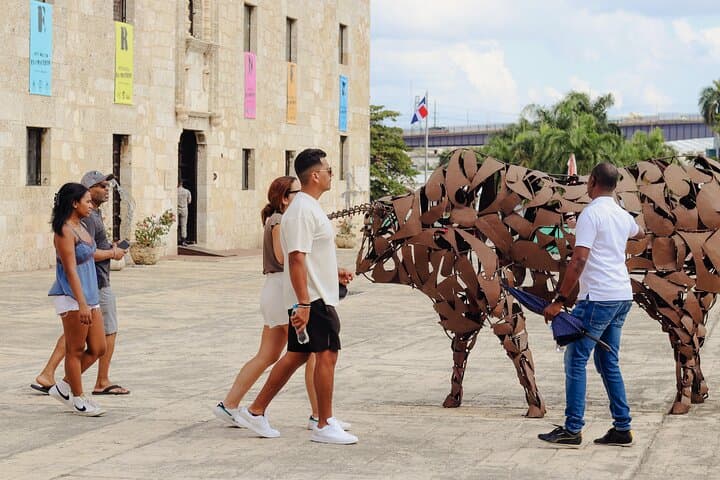
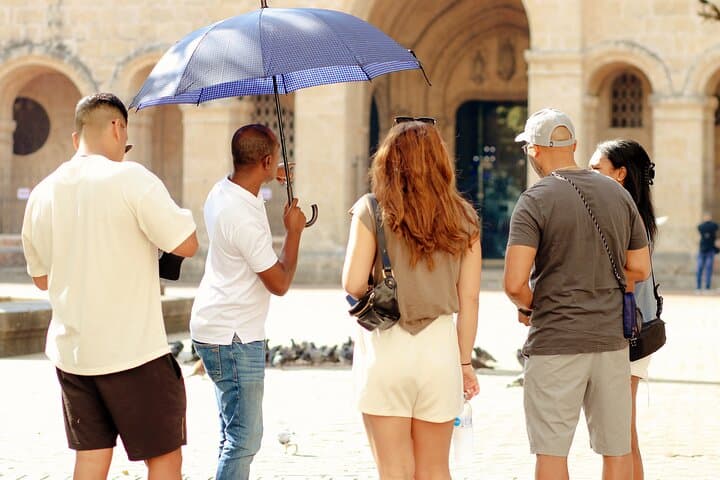
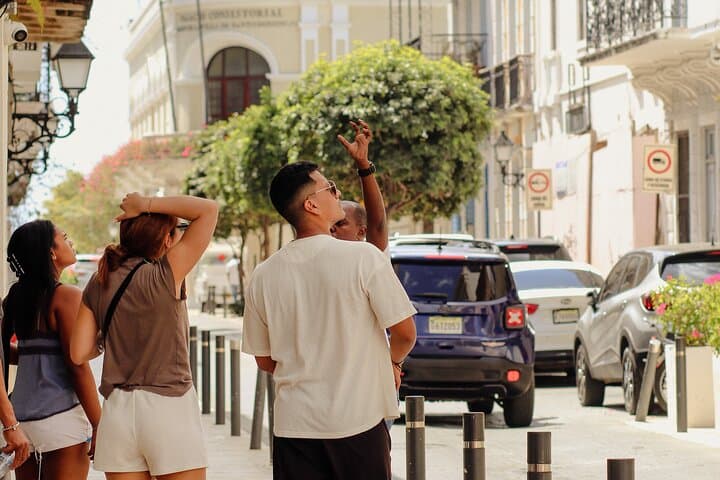
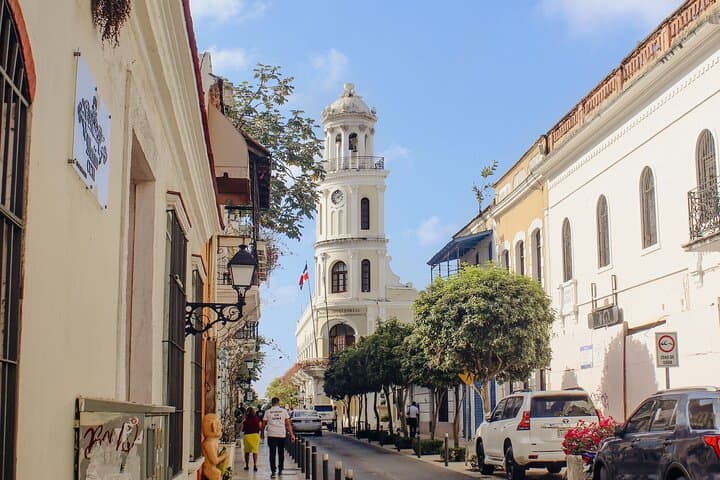
The cobblestones of the Colonial Zone click underfoot as the guide leads a small group through a city that still moves at the pace of the 16th century. Morning light finds shadowed arches and lime-washed facades; the air carries the sharp sweetness of roasting coffee and the low murmur of vendors preparing for the day.
The cobblestones of the Colonial Zone click underfoot as the guide leads a small group through a city that still moves at the pace of the 16th century. Morning light finds shadowed arches and lime-washed facades; the air carries the sharp sweetness of roasting coffee and the low murmur of vendors preparing for the day.
This walking tour threads key landmarks—Parque Colón, the Catedral Primada de América, Calle Las Damas and the Ozama Fortress—into a compact cultural narrative. Santo Domingo, founded in 1496, is the Americas’ first permanent European city; its stone streets record early colonial planning, seismic repairs, and later 19th-century republican struggles. Geology here is subtle: limestone foundations, coastal plains and the nearby Ozama River shaped placement and defense. Culturally, the Colonial Zone blends Creole street life with Spanish chivalry—expect bilingual stories, rum-laced mama juana notes, and the steady presence of Catholic ritual at the cathedral.
Practical guidance: this is an easy, mostly flat two-hour stroll with frequent stops. Wear closed shoes for uneven cobbles, bring sunscreen and a refillable bottle—the tour includes one bottled water and tastings of local beer and a specialty hot drink. Museums and some interiors can close for restoration or Mondays; guides adapt the route accordingly. Photography is excellent at mid-morning or late afternoon when light softens facades. For a quieter experience, choose the earlier departure and plan additional time afterward to linger in Plaza de España cafés. The experience is low-impact but culturally dense: respect dress codes at religious sites and budget a small amount of cash for souvenirs or additional tastings.