THE ADVENTURE COLLECTIVE® · Independent discovery and booking for outdoor travel

Step off the resort and into the Americas’ oldest European quarter: a full‑day outing from Punta Cana into Santo Domingo’s UNESCO Colonial Zone with guided visits to the cathedral, Alcázar de Colón and waterfront fortifications.
Step off the resort and into the Americas’ oldest European quarter: a full‑day outing from Punta Cana into Santo Domingo’s UNESCO Colonial Zone with guided visits to the cathedral, Alcázar de Colón and waterfront fortifications.
Morning light hits the yellow facades of the Colonial Zone and the Ozama River pushes a slow, salty breath through the city—this is Santo Domingo's oldest neighborhood, where stone streets still remember the footfall of 16th‑century sailors.
Verified experiences and guided adventures in the surrounding area.
Operated by Excursion Star · Santo Domingo, Distrito Nacional
Morning light hits the yellow facades of the Colonial Zone and the Ozama River pushes a slow, salty breath through the city—this is Santo Domingo's oldest neighborhood, where stone streets still remember the footfall of 16th‑century sailors.
The tour walks through a compact 16‑block core that holds the Americas’ earliest European institutions: the Cathedral of Santa María la Menor, the cobbled Calle El Conde, the Alcázar de Colón and the military silhouette of Fortaleza Ozama. Geologically the district sits on the Caribbean coastal plain; many colonial buildings were cut from local coral limestone and rebuilt over centuries, giving façades their pitted texture and pale tone.
Culturally the area is a layered meeting of Spanish colonial architecture, Taíno place‑names and African‑influenced music and food—expect merengue rhythms in cafés and a typical Dominican lunch included on many tours. The Colonial Zone has UNESCO status (1992) for its dense urban legacy, and guides commonly emphasize both monument histories and everyday life beyond the resort belt.
Practical guidance: tours from Punta Cana use air‑conditioned coaches (allow about 2–3 hours each way depending on traffic), include hotel pickup and drop‑off, and provide headsets at busy sites. Dress respectfully to enter churches—shoulders and knees covered—and wear sturdy shoes for uneven cobbles. Bring water, sun protection and small bills for market purchases. Expect several short walks and pauses for photographs, museum visits and a confidence‑building introduction to Dominican history and contemporary city life.
easy.
9 hours (full day, includes transport).
Suitable for most fitness levels; requires multiple short walks on uneven cobbles and standing during site visits.
Expect roughly 2–3 hours each way by air‑conditioned coach, depending on traffic; total tour time listed is about nine hours.
Many operators include a typical Dominican lunch and admission to listed Colonial Zone sites—confirm on booking; headsets may be provided at busy attractions.
Yes; the tour is described as easy for all fitness levels, though infants are required to sit on an adult’s lap and children must be accompanied.
Yes; knees and shoulders must be covered for both men and women to enter some places of worship and select museums.
Santo Domingo’s Colonial Zone preserves early European urban planning in the New World—houses, the first cathedral and the first paved street date to the early 1500s.
Visitor pressure is managed through UNESCO protections and local conservation efforts; stick to marked paths, avoid touching carved masonry and support small local businesses to encourage sustainable tourism.
Excursion Star operates guided outdoor trips and adventures with an emphasis on safety, stewardship, and memorable experiences.
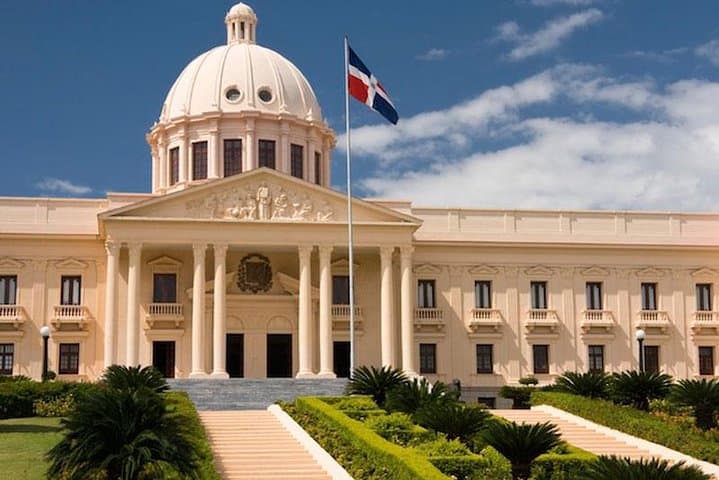
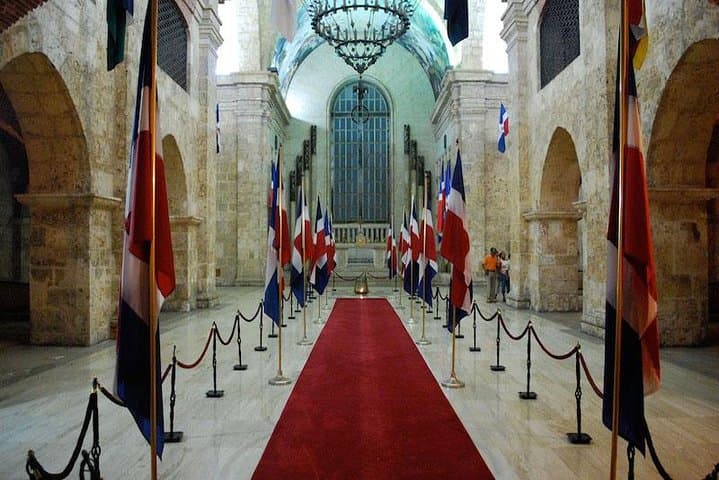
Morning light hits the yellow facades of the Colonial Zone and the Ozama River pushes a slow, salty breath through the city—this is Santo Domingo's oldest neighborhood, where stone streets still remember the footfall of 16th‑century sailors.
Morning light hits the yellow facades of the Colonial Zone and the Ozama River pushes a slow, salty breath through the city—this is Santo Domingo's oldest neighborhood, where stone streets still remember the footfall of 16th‑century sailors.
The tour walks through a compact 16‑block core that holds the Americas’ earliest European institutions: the Cathedral of Santa María la Menor, the cobbled Calle El Conde, the Alcázar de Colón and the military silhouette of Fortaleza Ozama. Geologically the district sits on the Caribbean coastal plain; many colonial buildings were cut from local coral limestone and rebuilt over centuries, giving façades their pitted texture and pale tone.
Culturally the area is a layered meeting of Spanish colonial architecture, Taíno place‑names and African‑influenced music and food—expect merengue rhythms in cafés and a typical Dominican lunch included on many tours. The Colonial Zone has UNESCO status (1992) for its dense urban legacy, and guides commonly emphasize both monument histories and everyday life beyond the resort belt.
Practical guidance: tours from Punta Cana use air‑conditioned coaches (allow about 2–3 hours each way depending on traffic), include hotel pickup and drop‑off, and provide headsets at busy sites. Dress respectfully to enter churches—shoulders and knees covered—and wear sturdy shoes for uneven cobbles. Bring water, sun protection and small bills for market purchases. Expect several short walks and pauses for photographs, museum visits and a confidence‑building introduction to Dominican history and contemporary city life.