THE ADVENTURE COLLECTIVE® · Independent discovery and booking for outdoor travel

Explore the Colonial Zone of Santo Domingo on a guided 2-day tour from Punta Cana. Walk centuries-old streets, visit the Catedral Primada and Alcázar de Colón, and enjoy a traditional Dominican lunch with round-trip transport included.
Explore the Colonial Zone of Santo Domingo on a guided 2-day tour from Punta Cana. Walk centuries-old streets, visit the Catedral Primada and Alcázar de Colón, and enjoy a traditional Dominican lunch with round-trip transport included.
You step off an air-conditioned coach and the city greets you with a salty breath from the Caribbean and the low, steady pulse of traffic along the Ozama River. Cobbled streets open onto plazas where cathedral bells mark time; the stones beneath your feet were laid by Spain’s first colonists and still hold the heat of a tropical afternoon.
Verified experiences and guided adventures in the surrounding area.
Operated by Toursvip · Santo Domingo, Santo Domingo Province
You step off an air-conditioned coach and the city greets you with a salty breath from the Caribbean and the low, steady pulse of traffic along the Ozama River. Cobbled streets open onto plazas where cathedral bells mark time; the stones beneath your feet were laid by Spain’s first colonists and still hold the heat of a tropical afternoon.
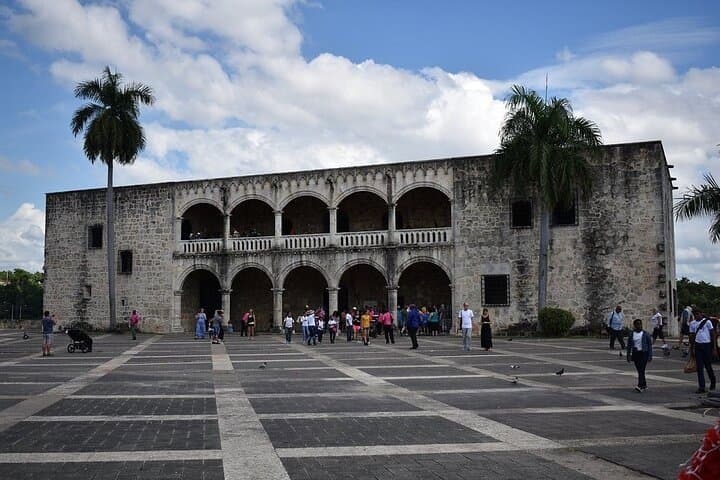
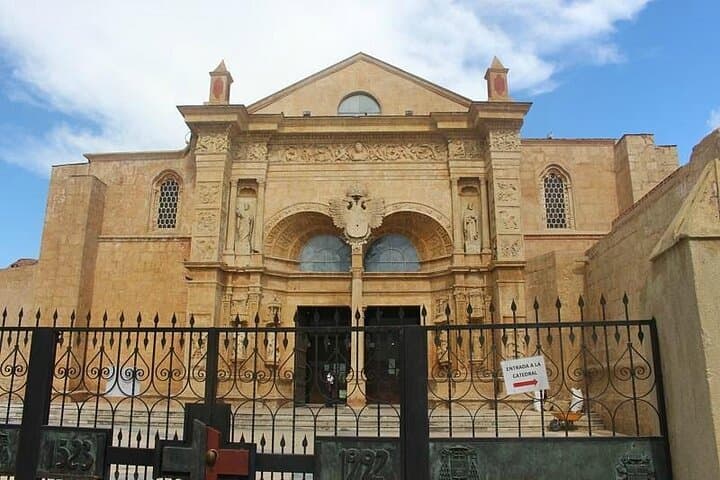
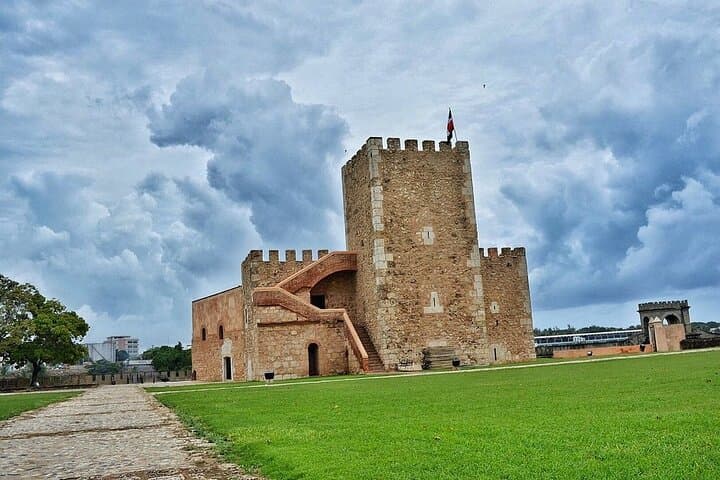
The tour moves through layers of history — the Catedral Primada de América, built in the early 1500s, the Alcázar de Colón and Fortaleza Ozama — each structure an archive of colonial politics, maritime trade and the island’s changing face. Geologically the city sits on coastal plains molded by limestone and river sediments; the Ozama dares you toward the sea while mangroves and reclaimed shoreline remind you this is a living, shifting edge.
Culture here is immediate: merengue rhythms, artisans working amber and larimar, and market stalls where citrus and fried yucca announce lunchtime. Practicalities matter: expect a long transfer from Punta Cana (roughly 2–3 hours each way), plenty of walking on uneven pavement, and midday sun that demands shade and hydration.
Bring comfortable shoes, local cash for small purchases, and a camera for architectural details and river views. Guides typically handle entry logistics and a traditional Dominican lunch is included, leaving you free to focus on the plazas, museums and the smaller corners most tours breeze past.
This is a tour for travelers who want history with a clear route and useful support — a measured deep-dive into the oldest European quarter in the Americas, delivered with practical pacing and room to explore on foot.
moderate.
2 days.
Moderate fitness: able to walk several hours over uneven pavement and climb stairs at monuments.
Expect about 2–3 hours each way depending on traffic; most operators run early departures to maximize time in the Colonial Zone.
Major inclusions typically cover guided visits and lunch; confirm museum admissions with the operator since some sites may require additional payment.
Families often participate, but the tour involves substantial walking and uneven surfaces — check accessibility and request child seating or mobility accommodations when booking.
The Dominican peso is preferred for small purchases; tipping guides 10–15% of the land portion is customary, and many vendors accept card or cash for souvenirs.
Founded in the late 15th century, Santo Domingo’s Colonial Zone contains the first cathedral and some of the oldest European-built public buildings in the Americas.
Tourism places steady pressure on historic masonry and coastal ecosystems; support local artisans, avoid single-use plastics and stick to marked paths to help preserve both cultural sites and shoreline habitats.
Toursvip operates guided outdoor trips and adventures with an emphasis on safety, stewardship, and memorable experiences.
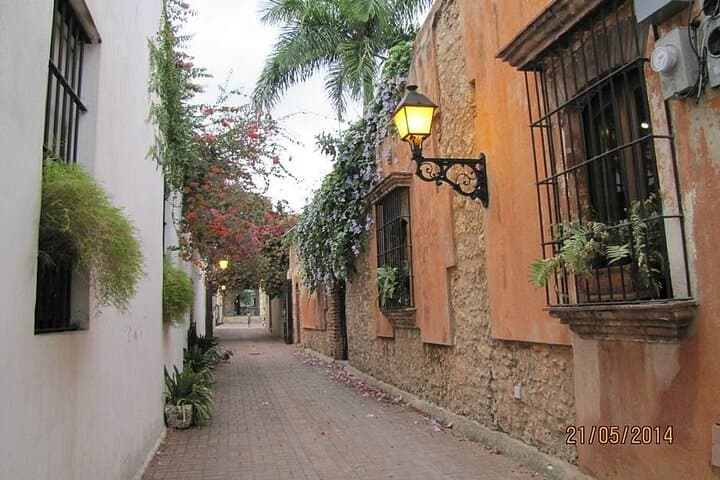
You step off an air-conditioned coach and the city greets you with a salty breath from the Caribbean and the low, steady pulse of traffic along the Ozama River. Cobbled streets open onto plazas where cathedral bells mark time; the stones beneath your feet were laid by Spain’s first colonists and still hold the heat of a tropical afternoon.
You step off an air-conditioned coach and the city greets you with a salty breath from the Caribbean and the low, steady pulse of traffic along the Ozama River. Cobbled streets open onto plazas where cathedral bells mark time; the stones beneath your feet were laid by Spain’s first colonists and still hold the heat of a tropical afternoon.
The tour moves through layers of history — the Catedral Primada de América, built in the early 1500s, the Alcázar de Colón and Fortaleza Ozama — each structure an archive of colonial politics, maritime trade and the island’s changing face. Geologically the city sits on coastal plains molded by limestone and river sediments; the Ozama dares you toward the sea while mangroves and reclaimed shoreline remind you this is a living, shifting edge.
Culture here is immediate: merengue rhythms, artisans working amber and larimar, and market stalls where citrus and fried yucca announce lunchtime. Practicalities matter: expect a long transfer from Punta Cana (roughly 2–3 hours each way), plenty of walking on uneven pavement, and midday sun that demands shade and hydration.
Bring comfortable shoes, local cash for small purchases, and a camera for architectural details and river views. Guides typically handle entry logistics and a traditional Dominican lunch is included, leaving you free to focus on the plazas, museums and the smaller corners most tours breeze past.
This is a tour for travelers who want history with a clear route and useful support — a measured deep-dive into the oldest European quarter in the Americas, delivered with practical pacing and room to explore on foot.