THE ADVENTURE COLLECTIVE® · Independent discovery and booking for outdoor travel

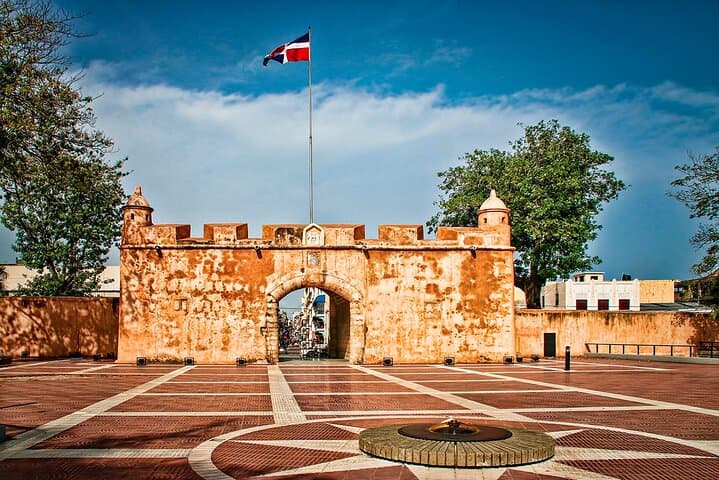
Walk the oldest European settlement in the Americas on a six-hour city tour that visits the Colonial Zone, Columbus Lighthouse, Los Tres Ojos and the Ozama Fortress. Expect cobbled streets, limestone caves and living history with practical pickup from Santo Domingo.
Walk the oldest European settlement in the Americas on a six-hour city tour that visits the Colonial Zone, Columbus Lighthouse, Los Tres Ojos and the Ozama Fortress. Expect cobbled streets, limestone caves and living history with practical pickup from Santo Domingo.
The morning air in Santo Domingo has weight — humid, warm, alive with traffic and the sea just beyond the palms. A small van pulls away and the city unfolds: narrow stone streets, a limestone cliff that drops to the Ozama River which seems to pull the city toward the sea. Walking the Colonial Zone feels like turning the pages of a map; shadowed plazas open into bright facades, and the river dares you to look back at the old fort that guards its mouth.
Verified experiences and guided adventures in the surrounding area.
Operated by Oasis Humpack RD · Santo Domingo, Distrito Nacional
The morning air in Santo Domingo has weight — humid, warm, alive with traffic and the sea just beyond the palms. A small van pulls away and the city unfolds: narrow stone streets, a limestone cliff that drops to the Ozama River which seems to pull the city toward the sea. Walking the Colonial Zone feels like turning the pages of a map; shadowed plazas open into bright facades, and the river dares you to look back at the old fort that guards its mouth.
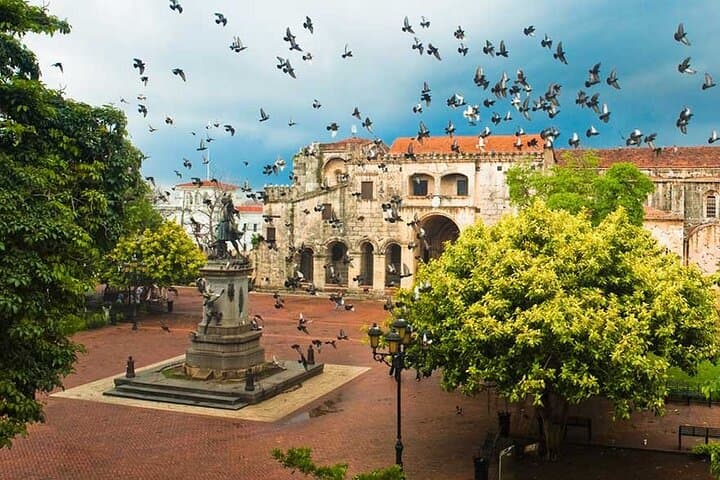
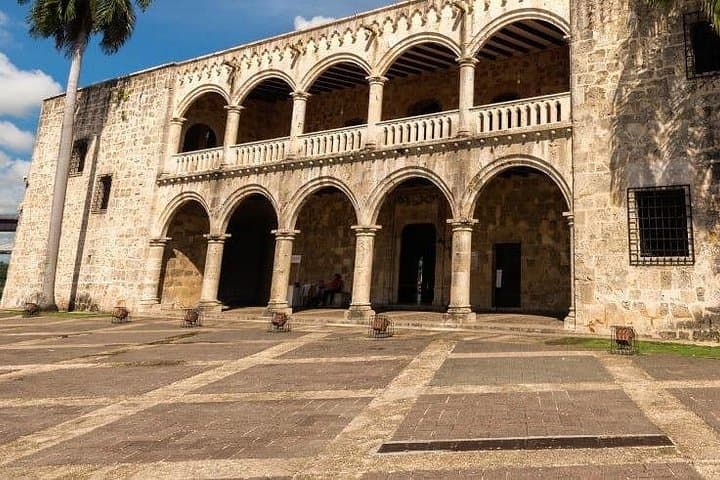
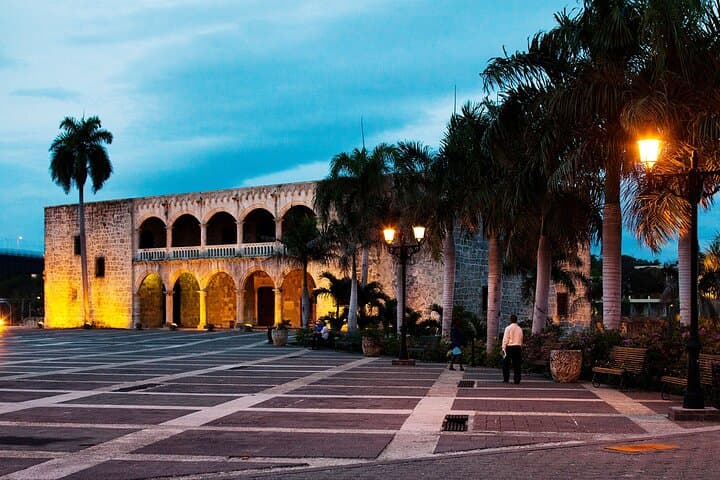
This is the first permanent European settlement in the Americas, founded in the early 1500s. The city’s geology is a mix of uplifted limestone near the river and softer alluvial plains toward the coast, which shaped where colonists built fortifications and plazas. Culture here is public and audible — vendors, merengue spilling from cafés, and children racing along Calle El Conde. Landmarks include the Alcázar de Colón, the Catedral Primada, and the crystalline sinkholes of Los Tres Ojos, a karst feature where freshwater pools sit in caverns beneath the city.
Practically: this is a walking-heavy six-hour loop with short drives between sites. Expect uneven cobbles, stairs in museums and caves, and bright sun by midday. Bring a refillable water bottle, sun protection, and comfortable shoes. The tour typically includes lunch and pickup within Santo Domingo; admissions to some museums may be extra. Plan to start early to avoid heat and catch the colonial architecture in softer light — the city reveals more when it’s not being cooked by the noon sun.
easy.
6 hours.
Suitable for most fitness levels; requires ability to walk 2–4 miles over uneven pavement and climb stairs.
Yes — the tour lists pickup in Santo Domingo; you’ll confirm a pickup point when booking.
Lunch is included, but some museum or site admissions may not be covered — check the tour details before you go.
The tour is advertised as suitable for all fitness levels, but families should note stairs and uneven surfaces at several stops.
The tour lasts about six hours with multiple short walks and site visits; plan for 2–4 miles of walking over varied terrain.
Santo Domingo’s Colonial Zone was established in the early 1500s and is the oldest permanent European settlement in the Americas, with many buildings surviving from Spanish colonial governance.
Heavy foot traffic and humidity challenge historic masonry; stick to marked paths, avoid touching fragile stonework and support local conservation efforts and licensed guides.
Oasis Humpack RD operates guided outdoor trips and adventures with an emphasis on safety, stewardship, and memorable experiences.
The morning air in Santo Domingo has weight — humid, warm, alive with traffic and the sea just beyond the palms. A small van pulls away and the city unfolds: narrow stone streets, a limestone cliff that drops to the Ozama River which seems to pull the city toward the sea. Walking the Colonial Zone feels like turning the pages of a map; shadowed plazas open into bright facades, and the river dares you to look back at the old fort that guards its mouth.
The morning air in Santo Domingo has weight — humid, warm, alive with traffic and the sea just beyond the palms. A small van pulls away and the city unfolds: narrow stone streets, a limestone cliff that drops to the Ozama River which seems to pull the city toward the sea. Walking the Colonial Zone feels like turning the pages of a map; shadowed plazas open into bright facades, and the river dares you to look back at the old fort that guards its mouth.
This is the first permanent European settlement in the Americas, founded in the early 1500s. The city’s geology is a mix of uplifted limestone near the river and softer alluvial plains toward the coast, which shaped where colonists built fortifications and plazas. Culture here is public and audible — vendors, merengue spilling from cafés, and children racing along Calle El Conde. Landmarks include the Alcázar de Colón, the Catedral Primada, and the crystalline sinkholes of Los Tres Ojos, a karst feature where freshwater pools sit in caverns beneath the city.
Practically: this is a walking-heavy six-hour loop with short drives between sites. Expect uneven cobbles, stairs in museums and caves, and bright sun by midday. Bring a refillable water bottle, sun protection, and comfortable shoes. The tour typically includes lunch and pickup within Santo Domingo; admissions to some museums may be extra. Plan to start early to avoid heat and catch the colonial architecture in softer light — the city reveals more when it’s not being cooked by the noon sun.