THE ADVENTURE COLLECTIVE® · Independent discovery and booking for outdoor travel

See Säntis and Lake Constance from a helicopter: a short, dramatic flight that compresses the Alpstein’s geology, culture and shoreline into one unforgettable circuit. Read on for what to expect, safety notes, and packing tips.
See Säntis and Lake Constance from a helicopter: a short, dramatic flight that compresses the Alpstein’s geology, culture and shoreline into one unforgettable circuit. Read on for what to expect, safety notes, and packing tips.
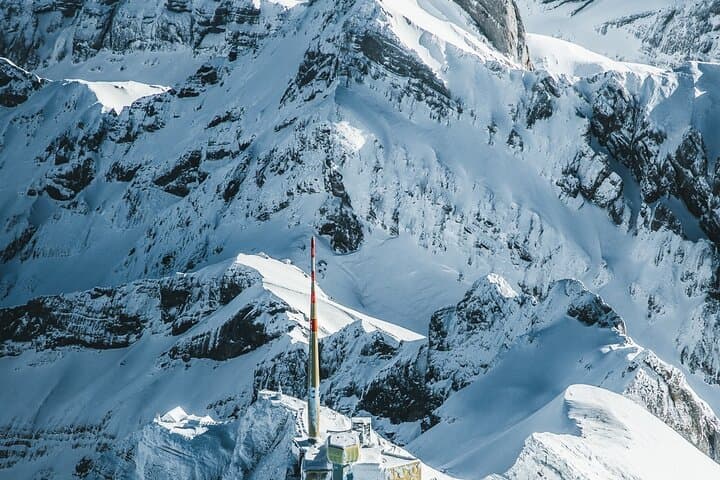
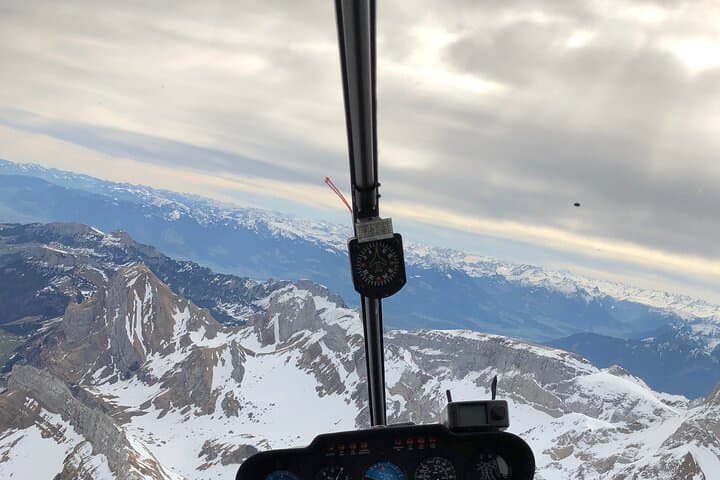
You lift off from St. Gallen–Altenrhein with the rotor wash humming in your chest and the Alpstein peaks unfolding like folded maps below. The helicopter climbs, and Säntis—sharp, granite-capped and often dusted with snow—pulls into view across the wide sheet of Lake Constance. Light plays on water and limestone as the pilot traces ridgelines and valleys, giving a compact, cinematic view of an alpine region usually reached by long ascents.
Verified experiences and guided adventures in the surrounding area.
Operated by Wingly Sightseeing Flight · Altenrhein, Canton of St. Gallen
You lift off from St. Gallen–Altenrhein with the rotor wash humming in your chest and the Alpstein peaks unfolding like folded maps below. The helicopter climbs, and Säntis—sharp, granite-capped and often dusted with snow—pulls into view across the wide sheet of Lake Constance. Light plays on water and limestone as the pilot traces ridgelines and valleys, giving a compact, cinematic view of an alpine region usually reached by long ascents.
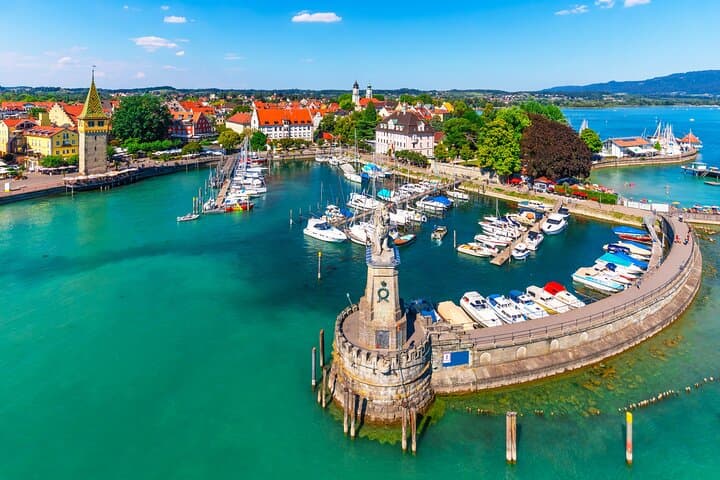
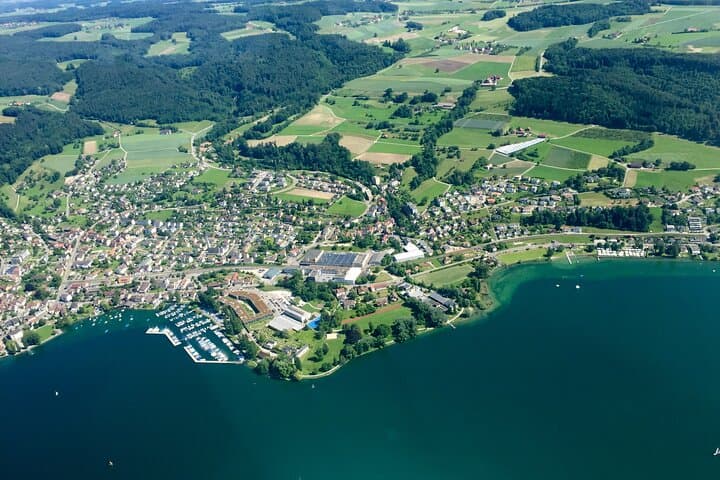
The Alpstein massif is geologically old; its steep faces are carved from sedimentary limestone and shaped by glaciers that retreated at the end of the last Ice Age. Lake Constance (Bodensee) sits at the intersection of Swiss, German and Austrian cultures and has long been a trade and travel hub. From the air you’ll notice cheese-terraced pastures of Appenzell, isolated alpine huts, and the rail and ferry lines that link border communities.
Culturally, the region blends Swiss rural traditions—Alpabzug festivities, horn playing and alpine dairies—with a history of navigation on the lake. From a conservation perspective, operators follow EASA rules for shared-cost flights and the pilots aim to minimize low passes over sensitive habitats.
Practical guidance: plan for a short, intense flight (typical air time ~30 minutes) within a half-day window. Wear layered outerwear and sturdy shoes for the airfield surface, bring a secured camera and sunglasses, and confirm weight and ID details before arrival. Expect weather cancellations and a small passenger count per flight—both protect safety and the mountain environment.
easy.
30 minutes–4 hours.
Minimal fitness required; you should be able to walk on uneven airfield surfaces and enter/exit a helicopter.
Typical airborne time advertised is about 30 minutes, though the total experience window can be up to 4 hours to allow for scheduling and weather contingencies.
Yes—full names, date of birth and passenger weight are required when booking for safety and pilot matching; provide them promptly.
Flights are routinely canceled or rescheduled in poor weather for safety; refunds or alternate dates are generally offered in those cases.
Meetup is at St. Gallen–Altenrhein Airport; arrive early, as airfield procedures and headset fitting take time.
Säntis has been a navigation landmark for centuries; Lake Constance formed a key trade corridor linking central Europe and influenced local dialects and agriculture.
Operators follow EASA cost-sharing rules and often limit low passes to reduce disturbance; choose pilots who use established routes to minimize noise and wildlife impact.
Wingly Sightseeing Flight operates guided outdoor trips and adventures with an emphasis on safety, stewardship, and memorable experiences.
You lift off from St. Gallen–Altenrhein with the rotor wash humming in your chest and the Alpstein peaks unfolding like folded maps below. The helicopter climbs, and Säntis—sharp, granite-capped and often dusted with snow—pulls into view across the wide sheet of Lake Constance. Light plays on water and limestone as the pilot traces ridgelines and valleys, giving a compact, cinematic view of an alpine region usually reached by long ascents.
You lift off from St. Gallen–Altenrhein with the rotor wash humming in your chest and the Alpstein peaks unfolding like folded maps below. The helicopter climbs, and Säntis—sharp, granite-capped and often dusted with snow—pulls into view across the wide sheet of Lake Constance. Light plays on water and limestone as the pilot traces ridgelines and valleys, giving a compact, cinematic view of an alpine region usually reached by long ascents.
The Alpstein massif is geologically old; its steep faces are carved from sedimentary limestone and shaped by glaciers that retreated at the end of the last Ice Age. Lake Constance (Bodensee) sits at the intersection of Swiss, German and Austrian cultures and has long been a trade and travel hub. From the air you’ll notice cheese-terraced pastures of Appenzell, isolated alpine huts, and the rail and ferry lines that link border communities.
Culturally, the region blends Swiss rural traditions—Alpabzug festivities, horn playing and alpine dairies—with a history of navigation on the lake. From a conservation perspective, operators follow EASA rules for shared-cost flights and the pilots aim to minimize low passes over sensitive habitats.
Practical guidance: plan for a short, intense flight (typical air time ~30 minutes) within a half-day window. Wear layered outerwear and sturdy shoes for the airfield surface, bring a secured camera and sunglasses, and confirm weight and ID details before arrival. Expect weather cancellations and a small passenger count per flight—both protect safety and the mountain environment.