THE ADVENTURE COLLECTIVE® · Independent discovery and booking for outdoor travel

A full‑day, small‑group shore excursion on Santiago takes you from the bustling capital of Praia to an 800‑year‑old Ceiba, along volcanic ridges in Serra da Malagueta and down to Tarrafal’s white sand—ending with local groggu and fruit‑juice tastings.
A full‑day, small‑group shore excursion on Santiago takes you from the bustling capital of Praia to an 800‑year‑old Ceiba, along volcanic ridges in Serra da Malagueta and down to Tarrafal’s white sand—ending with local groggu and fruit‑juice tastings.
You step off the ship into Praia’s humid air and the city immediately claims your senses: diesel and salt, market calls and sunlight off corrugated roofs. The day moves inland, and the road climbs where the island’s volcanic bones show—black rock folded into serrated ridges. In the shadow of an 800‑year‑old Ceiba (the Poilão tree) the landscape feels older than flags and ports; the tree’s trunk is immense and guarded by thorny limbs, a living landmark that has watched generations pass.
Verified experiences and guided adventures in the surrounding area.
Operated by Martin Kohler Investimentos · Praia, Santiago
You step off the ship into Praia’s humid air and the city immediately claims your senses: diesel and salt, market calls and sunlight off corrugated roofs. The day moves inland, and the road climbs where the island’s volcanic bones show—black rock folded into serrated ridges. In the shadow of an 800‑year‑old Ceiba (the Poilão tree) the landscape feels older than flags and ports; the tree’s trunk is immense and guarded by thorny limbs, a living landmark that has watched generations pass.
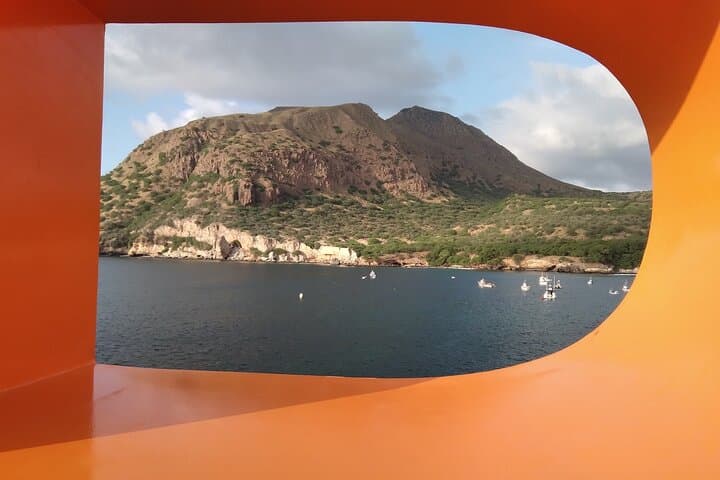
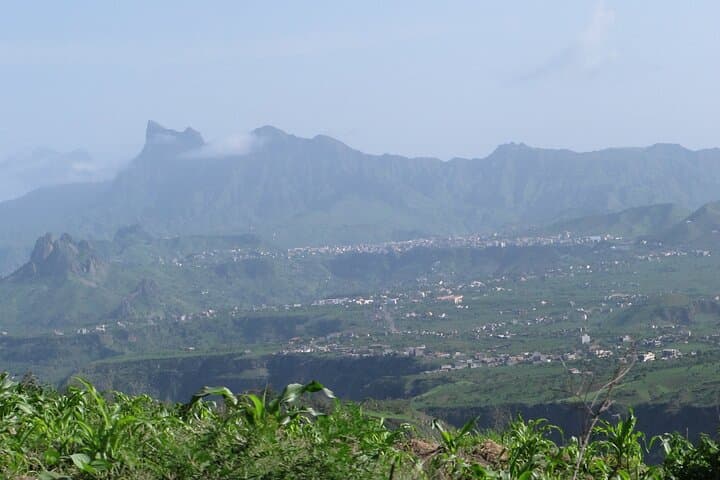
Santiago’s geology is volcanic plateaus and steep ravines carved by seasonal rains; Serra da Malagueta drops away in jagged cliffs and offers viewpoints over terraced fields. Tarrafal, on the northern shore, trades highland cool for a broad, bright beach and a difficult history: a former colonial concentration camp sits nearby and offers a sobering counterpoint to sunbathing. Culture here moves at local pace—conversational Creole, home‑brewed beer, and groggu pours that mark an island farewell.
Practically: this is a full‑day, mostly vehicle‑based excursion with short walks and one longer shoreline stroll. Wear sturdy walking shoes for rocky viewpoints, bring swimwear for Tarrafal, and carry at least 1.5 liters of water; sun is strong year‑round. Respect marked paths and the Poilão tree (do not climb or touch), and budget time for a tasting of groggu and fresh fruit juices in Assomada.
This itinerary suits cruise passengers who want a compact but textured view of Santiago—geology, culture, beach and a quiet dose of history packed into one approachable day.
easy.
8 hours.
Suitable for most fitness levels; involves short walks up to 30–60 minutes and extended time on a bus.
Yes—it’s designed as a full‑day shore excursion with pickup and drop‑off at port and compact stops that maximize island variety.
Yes, the camp is an optional stop near Tarrafal; it’s a historical site that requires respectful behavior and modest dress.
The itinerary includes groggu and fruit‑juice tastings and typically local refreshments; confirm dietary needs when booking.
No—the day is vehicle‑heavy with short walks; participants of most fitness levels can join, though some walks have uneven terrain.
Santiago was a colonial hub and Tarrafal hosted a notorious Portuguese concentration camp; the island’s culture blends African and Portuguese influences visible in language and music.
Sea turtle nesting and fragile endemic plants are priorities—stick to beaches and trails, avoid disturbing wildlife, and carry out all waste.
Martin Kohler Investimentos operates guided outdoor trips and adventures with an emphasis on safety, stewardship, and memorable experiences.
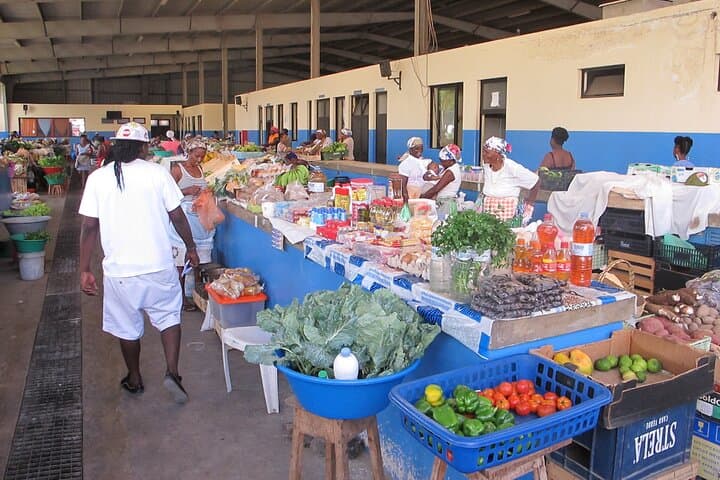
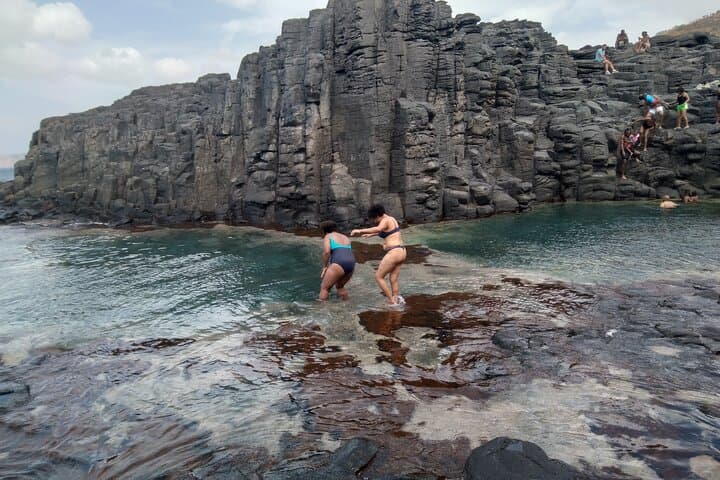
You step off the ship into Praia’s humid air and the city immediately claims your senses: diesel and salt, market calls and sunlight off corrugated roofs. The day moves inland, and the road climbs where the island’s volcanic bones show—black rock folded into serrated ridges. In the shadow of an 800‑year‑old Ceiba (the Poilão tree) the landscape feels older than flags and ports; the tree’s trunk is immense and guarded by thorny limbs, a living landmark that has watched generations pass.
You step off the ship into Praia’s humid air and the city immediately claims your senses: diesel and salt, market calls and sunlight off corrugated roofs. The day moves inland, and the road climbs where the island’s volcanic bones show—black rock folded into serrated ridges. In the shadow of an 800‑year‑old Ceiba (the Poilão tree) the landscape feels older than flags and ports; the tree’s trunk is immense and guarded by thorny limbs, a living landmark that has watched generations pass.
Santiago’s geology is volcanic plateaus and steep ravines carved by seasonal rains; Serra da Malagueta drops away in jagged cliffs and offers viewpoints over terraced fields. Tarrafal, on the northern shore, trades highland cool for a broad, bright beach and a difficult history: a former colonial concentration camp sits nearby and offers a sobering counterpoint to sunbathing. Culture here moves at local pace—conversational Creole, home‑brewed beer, and groggu pours that mark an island farewell.
Practically: this is a full‑day, mostly vehicle‑based excursion with short walks and one longer shoreline stroll. Wear sturdy walking shoes for rocky viewpoints, bring swimwear for Tarrafal, and carry at least 1.5 liters of water; sun is strong year‑round. Respect marked paths and the Poilão tree (do not climb or touch), and budget time for a tasting of groggu and fresh fruit juices in Assomada.
This itinerary suits cruise passengers who want a compact but textured view of Santiago—geology, culture, beach and a quiet dose of history packed into one approachable day.