THE ADVENTURE COLLECTIVE® · Independent discovery and booking for outdoor travel

Taste your way through Santiago’s historic center on a 4–5 hour guided food walk. Sample empanadas, the city’s famous completo, fresh seafood and artisanal gelato while learning local phrases and neighborhood history.
Taste your way through Santiago’s historic center on a 4–5 hour guided food walk. Sample empanadas, the city’s famous completo, fresh seafood and artisanal gelato while learning local phrases and neighborhood history.
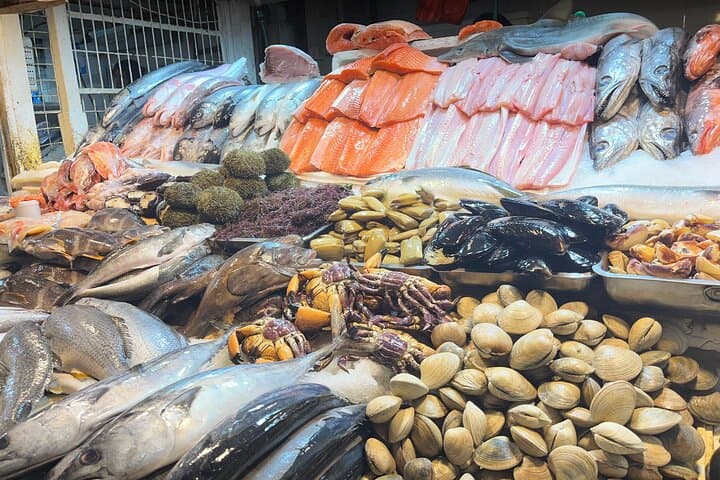
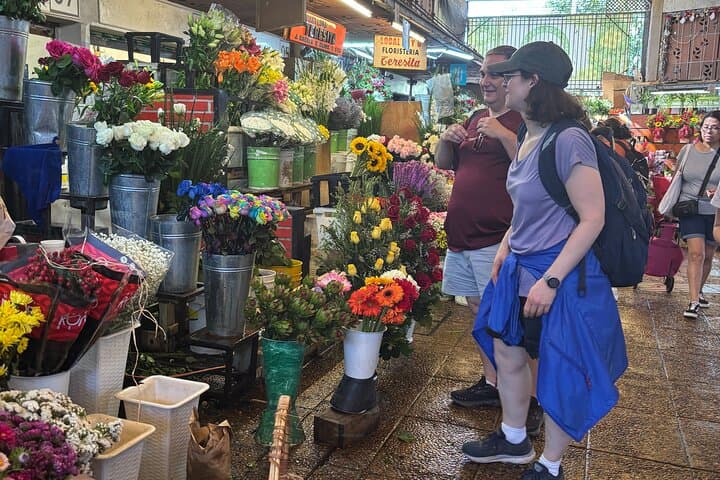
You step out into a Santiago morning where the Andes loom like an attentive neighbor and the city’s streets already smell of baking empanadas and strong coffee. The guide leads the way through colonial plazas, past the Cathedral’s stone face, into markets where citrus and sea-scented fish bargain with passerby—this is a paced, urban tasting route that moves between architecture and appetite.
Verified experiences and guided adventures in the surrounding area.
Operated by Bespoke Chile · Santiago, Región Metropolitana de Santiago
You step out into a Santiago morning where the Andes loom like an attentive neighbor and the city’s streets already smell of baking empanadas and strong coffee. The guide leads the way through colonial plazas, past the Cathedral’s stone face, into markets where citrus and sea-scented fish bargain with passerby—this is a paced, urban tasting route that moves between architecture and appetite.
Santiago began as a Spanish colonial capital in 1541, and its core still wears that layered history: 19th-century facades, municipal squares, and market halls built on earlier trade paths. Geologically the city sits on alluvial flats beneath the Andean foothills, which explains the easy strolls punctuated by sudden views of jagged peaks.
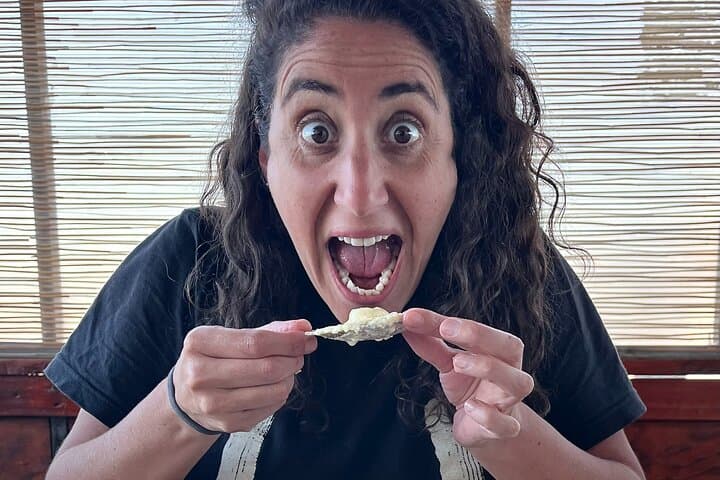
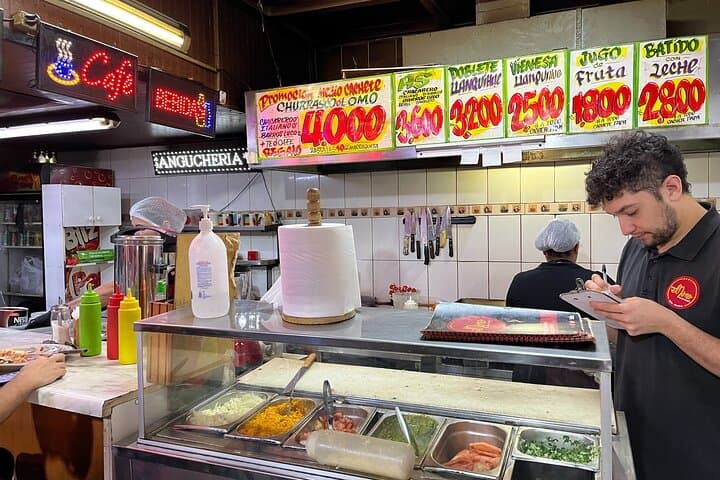
Culturally the tour trades in everyday classics—empanadas, completos (Chile’s loaded hot dog), ceviche and artisanal ice cream—served with local anecdotes and useful Chilean Spanish phrases. Guides often point out neighborhood quirks: a mural with political history, a family-run seafood stall that dates back generations, or a tiny gelateria with a seasonal fruit sorbet.
Practical guidance: plan for 4–5 hours on foot with intermittent seated tastings; bring cash for small purchases even if major stops take cards, and flag dietary needs ahead—the operator accommodates vegetarian and allergy requirements. Wear comfortable walking shoes, layer for variable city-to-hill breezes, and pace your tastings so you can enjoy several stops without rushing.
easy.
4–5 hours.
Suitable for most fitness levels; requires ability to walk several short blocks and stand during tastings.
Yes—operators explicitly state they can adapt to vegetarian, vegan, dairy-free and gluten-free needs; indicate restrictions when booking.
Many areas visited and transportation are wheelchair accessible, but accessibility can vary by vendor—confirm specific needs with the operator before booking.
Bottled water and some beverages are included; alcoholic beverages may be provided at certain stops as noted in the itinerary.
Guides typically speak Spanish and may offer English—confirm language preferences at booking to ensure a guide who meets your needs.
Santiago was founded in 1541; Plaza de Armas and the surrounding colonial grid remain focal points for civic and culinary life.
Support local vendors and minimize single-use plastics; choosing venues that source local seafood and produce helps reduce food miles and sustain small businesses.
Bespoke Chile operates guided outdoor trips and adventures with an emphasis on safety, stewardship, and memorable experiences.
You step out into a Santiago morning where the Andes loom like an attentive neighbor and the city’s streets already smell of baking empanadas and strong coffee. The guide leads the way through colonial plazas, past the Cathedral’s stone face, into markets where citrus and sea-scented fish bargain with passerby—this is a paced, urban tasting route that moves between architecture and appetite.
You step out into a Santiago morning where the Andes loom like an attentive neighbor and the city’s streets already smell of baking empanadas and strong coffee. The guide leads the way through colonial plazas, past the Cathedral’s stone face, into markets where citrus and sea-scented fish bargain with passerby—this is a paced, urban tasting route that moves between architecture and appetite.
Santiago began as a Spanish colonial capital in 1541, and its core still wears that layered history: 19th-century facades, municipal squares, and market halls built on earlier trade paths. Geologically the city sits on alluvial flats beneath the Andean foothills, which explains the easy strolls punctuated by sudden views of jagged peaks.
Culturally the tour trades in everyday classics—empanadas, completos (Chile’s loaded hot dog), ceviche and artisanal ice cream—served with local anecdotes and useful Chilean Spanish phrases. Guides often point out neighborhood quirks: a mural with political history, a family-run seafood stall that dates back generations, or a tiny gelateria with a seasonal fruit sorbet.
Practical guidance: plan for 4–5 hours on foot with intermittent seated tastings; bring cash for small purchases even if major stops take cards, and flag dietary needs ahead—the operator accommodates vegetarian and allergy requirements. Wear comfortable walking shoes, layer for variable city-to-hill breezes, and pace your tastings so you can enjoy several stops without rushing.