THE ADVENTURE COLLECTIVE® · Independent discovery and booking for outdoor travel

Cycle 3–5 hours through Santiago’s 500 km of bike lanes, passing La Moneda, Parque Quinta Normal and optional Cerro San Cristóbal climb. Perfect for riders who want an active city tour with cultural stops and panoramic vistas.
Cycle 3–5 hours through Santiago’s 500 km of bike lanes, passing La Moneda, Parque Quinta Normal and optional Cerro San Cristóbal climb. Perfect for riders who want an active city tour with cultural stops and panoramic vistas.
You start with pedals whispering on dedicated cycle lanes, the Andes watching like an unspeaking skyline. The city opens in blocks of concrete and parkland: La Moneda’s austere façade passes by, then the green of Quinta Normal unfurls. The Mapocho Valley pushes a cool breeze against your face as you move from museums to stadium and neighborhood cemeteries that mark more recent chapters of Chilean history.
Verified experiences and guided adventures in the surrounding area.
Operated by Santiago Rental Bike · Santiago, Santiago Metropolitan Region
You start with pedals whispering on dedicated cycle lanes, the Andes watching like an unspeaking skyline. The city opens in blocks of concrete and parkland: La Moneda’s austere façade passes by, then the green of Quinta Normal unfurls. The Mapocho Valley pushes a cool breeze against your face as you move from museums to stadium and neighborhood cemeteries that mark more recent chapters of Chilean history.
Santiago’s 500 km of cycle paths make this a ride of contrasts — formal government squares, industrial edges, and the tree-lined corridors that feed urban wildlife. Highlights include a photo stop outside La Moneda, a short visit at the National Stadium precincts, and a longer pause in Parque Quinta Normal where rail and natural history collections sit under mature trees. Opting to climb Cerro San Cristóbal adds meaningful altimetry (roughly 300–400 m of ascent depending on the route) and panoramic views of the city rimmed by the Andes.
Plan for 12–20 km of riding on paved cycleways and quiet streets, light stops, and variable cadence. Morning departures avoid peak traffic and afternoon light is best for photos on the hill.
Practical edge: bring a properly fitted helmet, a water bottle with at least 1 L capacity, and shoes that balance pedaling comfort with walkability at museum stops. Expect moderate urban gradients; basic bike-handling and attention at intersections are required. The tour pairs cultural context with active transport—an accessible way to see Santiago without a car and with a clear sense of how landscape and recent history shape the capital.
moderate.
3–5 hours.
Suitable for people with regular aerobic fitness; comfortable with 12–20 km of casual riding and short climbs.
Most operators provide well-maintained rental bikes; check size availability when booking if you prefer a specific fit.
It’s optional — beginners can skip it or take a gentler route; expect 300–400 m of extra ascent if you do climb.
Many tours include helmets, but confirm beforehand and bring your own if you prefer a personal fit for safety.
Yes — guides will adjust pace and stops; the tour is promoted as suitable for a range of fitness levels.
The route threads sites tied to Chile’s republican period and 20th-century urban growth, from La Moneda’s political role to industrial-era museums in Quinta Normal.
Use marked cycle lanes and follow guide instructions to minimize road conflicts; support local parks by using bins and staying on paved paths.
Santiago Rental Bike operates guided outdoor trips and adventures with an emphasis on safety, stewardship, and memorable experiences.
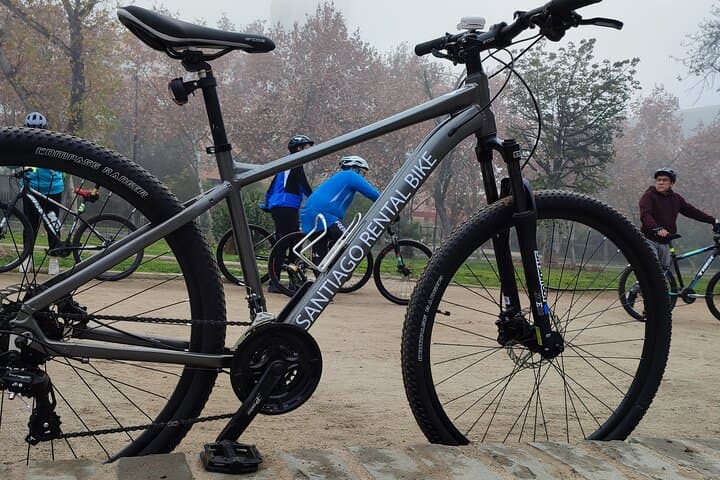
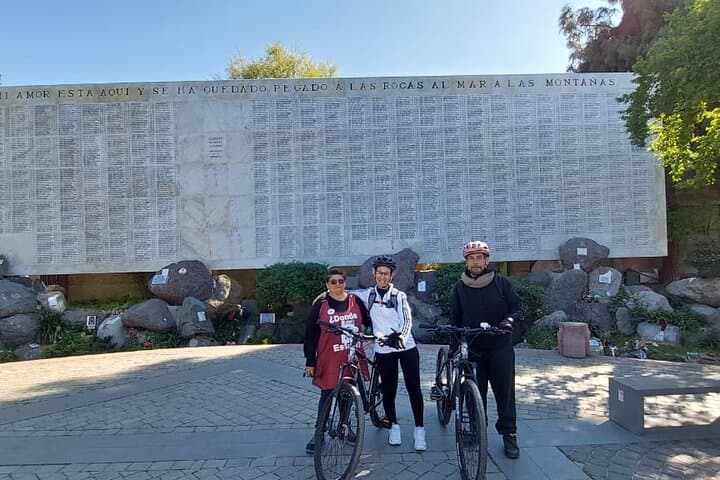


You start with pedals whispering on dedicated cycle lanes, the Andes watching like an unspeaking skyline. The city opens in blocks of concrete and parkland: La Moneda’s austere façade passes by, then the green of Quinta Normal unfurls. The Mapocho Valley pushes a cool breeze against your face as you move from museums to stadium and neighborhood cemeteries that mark more recent chapters of Chilean history.
You start with pedals whispering on dedicated cycle lanes, the Andes watching like an unspeaking skyline. The city opens in blocks of concrete and parkland: La Moneda’s austere façade passes by, then the green of Quinta Normal unfurls. The Mapocho Valley pushes a cool breeze against your face as you move from museums to stadium and neighborhood cemeteries that mark more recent chapters of Chilean history.
Santiago’s 500 km of cycle paths make this a ride of contrasts — formal government squares, industrial edges, and the tree-lined corridors that feed urban wildlife. Highlights include a photo stop outside La Moneda, a short visit at the National Stadium precincts, and a longer pause in Parque Quinta Normal where rail and natural history collections sit under mature trees. Opting to climb Cerro San Cristóbal adds meaningful altimetry (roughly 300–400 m of ascent depending on the route) and panoramic views of the city rimmed by the Andes.
Plan for 12–20 km of riding on paved cycleways and quiet streets, light stops, and variable cadence. Morning departures avoid peak traffic and afternoon light is best for photos on the hill.
Practical edge: bring a properly fitted helmet, a water bottle with at least 1 L capacity, and shoes that balance pedaling comfort with walkability at museum stops. Expect moderate urban gradients; basic bike-handling and attention at intersections are required. The tour pairs cultural context with active transport—an accessible way to see Santiago without a car and with a clear sense of how landscape and recent history shape the capital.