THE ADVENTURE COLLECTIVE® · Independent discovery and booking for outdoor travel

A compact riverside walk from Santarém train station that follows the Tagus and Ribeira toward Alfange, combining tile-adorned streets, Gothic architecture and riverside views. Ideal as a 1–2 hour cultural stroll with strong photo opportunities.
A compact riverside walk from Santarém train station that follows the Tagus and Ribeira toward Alfange, combining tile-adorned streets, Gothic architecture and riverside views. Ideal as a 1–2 hour cultural stroll with strong photo opportunities.
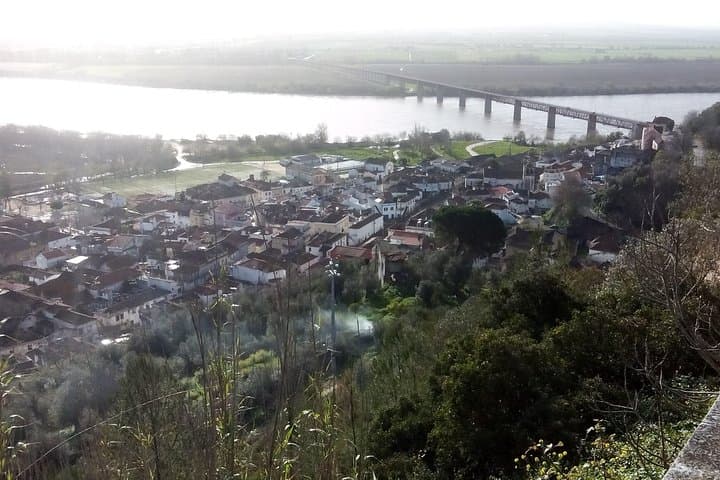
You step off the station platform into an open light—Tile-faced facades and the Tagus visible beyond the town blocks. The river pulls at the eye, daring you toward the low banks where fishermen and morning walkers cross paths and the old Ribeira neighborhood tightens its lanes.
Verified experiences and guided adventures in the surrounding area.
Operated by Seven Domains · Santarém, Santarém District
You step off the station platform into an open light—Tile-faced facades and the Tagus visible beyond the town blocks. The river pulls at the eye, daring you toward the low banks where fishermen and morning walkers cross paths and the old Ribeira neighborhood tightens its lanes.
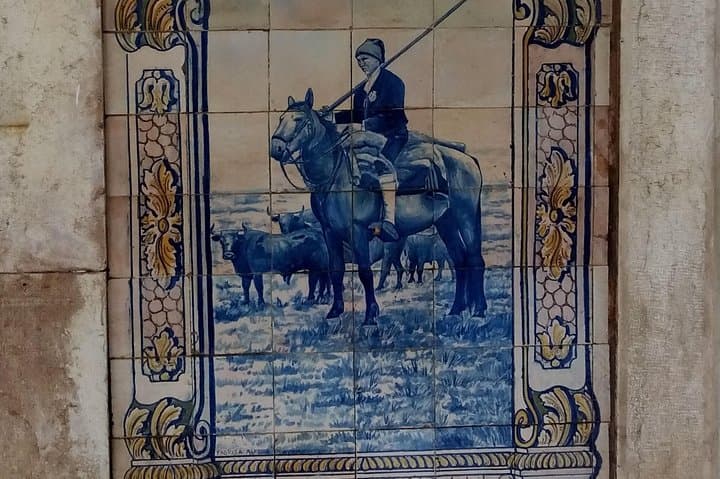
This short urban walk threads history and geography: Santarém grew as a river port with Roman and medieval layers visible in stonework, Gothic churches and azulejo panels that chronicle everyday life. The Tagus carved the floodplain here, leaving terraces and meanders that shaped agrarian estates and the Alfange quarter downstream. Local culture still references Lusitanian horses and the iconic role of bulls in rural festivals—expect cultural displays and equine imagery rather than arenas of spectacle.
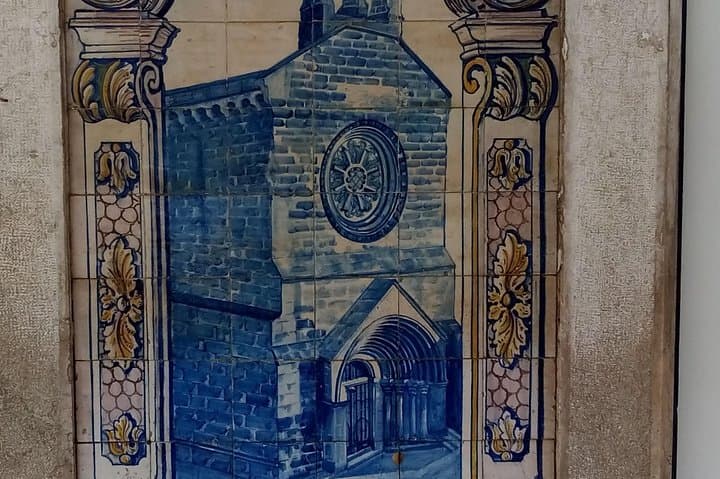
You'll pass decorative tile panels, the bridge toward Almeirim and the Gothic church in Ribeira de Santarém, with time to follow the riverside to Santa Iria, the town’s legendary namesake.
Practicalities: the route is flat and compact—plan 60–120 minutes depending on stops. Wear comfortable shoes for cobbles, bring a camera for architectural tiles and river light, and carry water in summer; rains are common in winter. Public transportation links make the station an easy rendezvous. Respect private property and any livestock you may glimpse from a distance.
This is an accessible, sensory slice of the Tagus corridor: a blend of river geology, medieval streets, and living traditions best enjoyed at walking pace.
easy.
1–2 hours.
Suitable for most adults who can walk on cobbles for up to two hours; minimal elevation change.
The guided route lasts about 60–120 minutes depending on stops and pace.
Yes—Santarém train station is the meeting point with local buses and taxis nearby.
The tour highlights cultural connections to bulls and Lusitanian horses, but does not include bullfighting events; any animal encounters are observational and at a distance.
Yes—the terrain is flat and the pace relaxed, but cobbles can be uneven so supervise young children and allow extra time for slower walkers.
Santarém was an important Roman and medieval river port; its Gothic churches and azulejo panels reflect centuries of urban life along the Tagus.
The Tagus floodplain supports riverine habitats—stick to paths, avoid littering and support local businesses to reduce visitor pressure.
Seven Domains operates guided outdoor trips and adventures with an emphasis on safety, stewardship, and memorable experiences.
You step off the station platform into an open light—Tile-faced facades and the Tagus visible beyond the town blocks. The river pulls at the eye, daring you toward the low banks where fishermen and morning walkers cross paths and the old Ribeira neighborhood tightens its lanes.
You step off the station platform into an open light—Tile-faced facades and the Tagus visible beyond the town blocks. The river pulls at the eye, daring you toward the low banks where fishermen and morning walkers cross paths and the old Ribeira neighborhood tightens its lanes.
This short urban walk threads history and geography: Santarém grew as a river port with Roman and medieval layers visible in stonework, Gothic churches and azulejo panels that chronicle everyday life. The Tagus carved the floodplain here, leaving terraces and meanders that shaped agrarian estates and the Alfange quarter downstream. Local culture still references Lusitanian horses and the iconic role of bulls in rural festivals—expect cultural displays and equine imagery rather than arenas of spectacle.
You'll pass decorative tile panels, the bridge toward Almeirim and the Gothic church in Ribeira de Santarém, with time to follow the riverside to Santa Iria, the town’s legendary namesake.
Practicalities: the route is flat and compact—plan 60–120 minutes depending on stops. Wear comfortable shoes for cobbles, bring a camera for architectural tiles and river light, and carry water in summer; rains are common in winter. Public transportation links make the station an easy rendezvous. Respect private property and any livestock you may glimpse from a distance.
This is an accessible, sensory slice of the Tagus corridor: a blend of river geology, medieval streets, and living traditions best enjoyed at walking pace.