THE ADVENTURE COLLECTIVE® · Independent discovery and booking for outdoor travel

Walk past rare coastal trees, colorful private gardens, and homes that chart Santa Monica’s architectural history on a relaxed, three-hour private urban expedition. Local guides connect ecology, design, and preservation in neighborhoods most visitors miss.
Walk past rare coastal trees, colorful private gardens, and homes that chart Santa Monica’s architectural history on a relaxed, three-hour private urban expedition. Local guides connect ecology, design, and preservation in neighborhoods most visitors miss.
You step off Ocean Avenue into a corridor of salt-scented air and palm shadows—the ocean at your shoulder, a network of quiet lanes and pocket gardens ahead. The tour threads through sun-warmed front yards and shady canyon cuttings, past rare coastal trees that lean toward the sea as if curious about the city.
Verified experiences and guided adventures in the surrounding area.
Operated by Garden Safaris · Santa Monica, California
You step off Ocean Avenue into a corridor of salt-scented air and palm shadows—the ocean at your shoulder, a network of quiet lanes and pocket gardens ahead. The tour threads through sun-warmed front yards and shady canyon cuttings, past rare coastal trees that lean toward the sea as if curious about the city.
Santa Monica grew from a ranching outpost into a turn-of-the-century seaside resort; those layers show in tile-roofed bungalows, Craftsman porches, and sudden slabs of clean modernism. Geology here is subtle: a low coastal bluff, alluvial soils from small canyons, and microclimates that let both native coastal scrub and imported ornamentals thrive. Local stewards—garden clubs and preservationists—have shaped the neighborhoods you’ll walk through, protecting mature eucalyptus, torrey pines, and pocket orchards in a city that prizes both design and community.
Expect about four miles over mostly flat streets with occasional steps or short inclines through canyon cuts. The guide points out architectural details, explains water-wise planting choices, and highlights how zoning and historic districts preserve character. Conversations often touch on Santa Monica’s climate initiatives and efforts to maintain public-access views.
Practical guidance: wear supportive walking shoes, bring a refillable water bottle, and apply sun protection—Ocean breezes can mask strong midday sun. Start in the morning to avoid peak heat and leave time for a pause at a small park or café; the tour is designed to be informative without rush, blending natural history, civic stories, and neighborhood life into a single, walkable route.
moderate.
3 hours.
Suitable for travelers with a steady walking base—able to cover ~4 miles with short breaks.
The docent will be holding a Garden Safaris sign near 701 Ocean Ave (across the street); exact meeting details are provided on booking.
Expect roughly 4 miles over mostly flat streets with a few short inclines—suitable for most people who can walk steadily for three hours.
Infants and small children can use strollers; while many streets are accessible, some sections include curbs or short stairways—check ahead for specific mobility needs.
Service animals are allowed; other pets are generally not recommended due to route logistics and private gardens.
Santa Monica transitioned from Rancho land to a popular early-20th-century seaside resort; many neighborhoods retain Craftsman-era houses alongside mid-century and contemporary architecture.
Local gardens increasingly use drought-tolerant, native species and rainwater strategies; visitors are asked to respect private plantings and follow Leave No Trace principles in public spaces.
Garden Safaris operates guided outdoor trips and adventures with an emphasis on safety, stewardship, and memorable experiences.
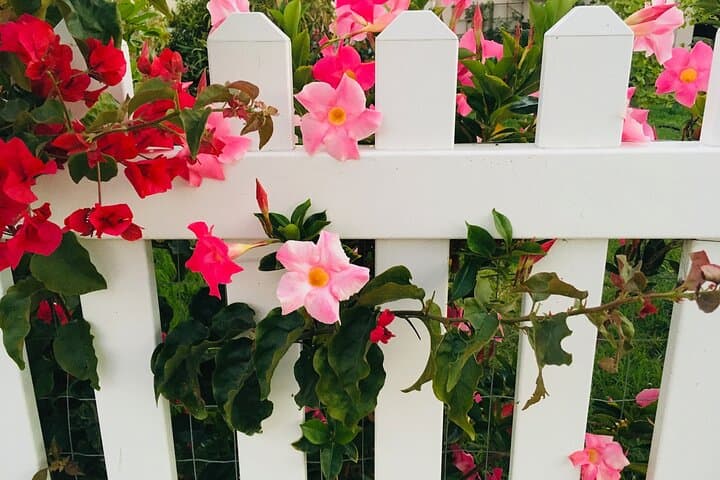
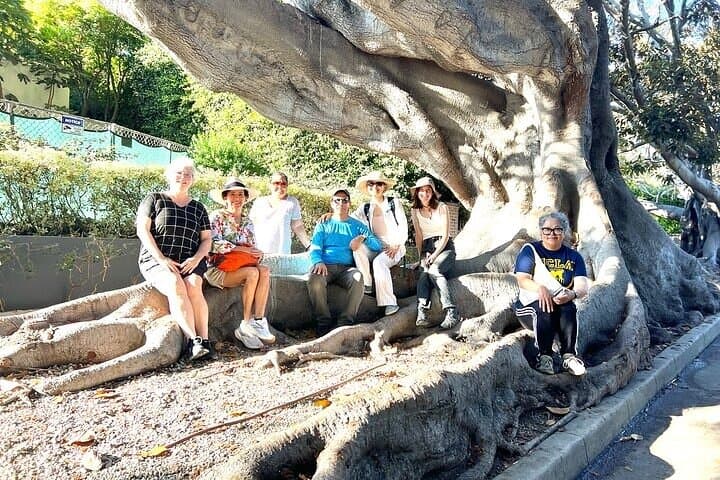
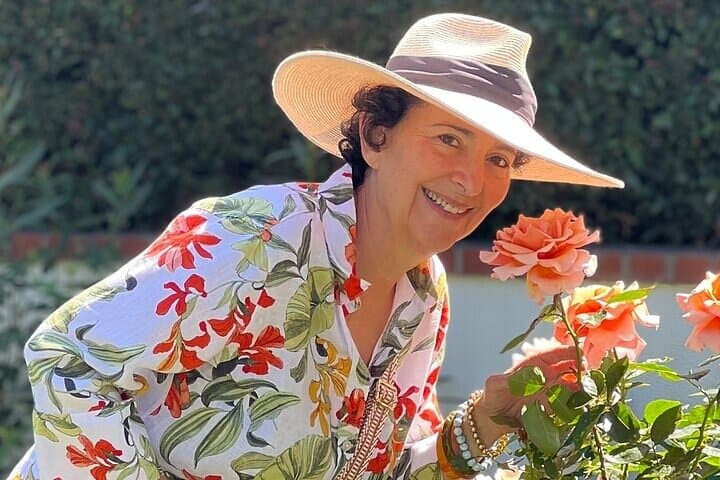

You step off Ocean Avenue into a corridor of salt-scented air and palm shadows—the ocean at your shoulder, a network of quiet lanes and pocket gardens ahead. The tour threads through sun-warmed front yards and shady canyon cuttings, past rare coastal trees that lean toward the sea as if curious about the city.
You step off Ocean Avenue into a corridor of salt-scented air and palm shadows—the ocean at your shoulder, a network of quiet lanes and pocket gardens ahead. The tour threads through sun-warmed front yards and shady canyon cuttings, past rare coastal trees that lean toward the sea as if curious about the city.
Santa Monica grew from a ranching outpost into a turn-of-the-century seaside resort; those layers show in tile-roofed bungalows, Craftsman porches, and sudden slabs of clean modernism. Geology here is subtle: a low coastal bluff, alluvial soils from small canyons, and microclimates that let both native coastal scrub and imported ornamentals thrive. Local stewards—garden clubs and preservationists—have shaped the neighborhoods you’ll walk through, protecting mature eucalyptus, torrey pines, and pocket orchards in a city that prizes both design and community.
Expect about four miles over mostly flat streets with occasional steps or short inclines through canyon cuts. The guide points out architectural details, explains water-wise planting choices, and highlights how zoning and historic districts preserve character. Conversations often touch on Santa Monica’s climate initiatives and efforts to maintain public-access views.
Practical guidance: wear supportive walking shoes, bring a refillable water bottle, and apply sun protection—Ocean breezes can mask strong midday sun. Start in the morning to avoid peak heat and leave time for a pause at a small park or café; the tour is designed to be informative without rush, blending natural history, civic stories, and neighborhood life into a single, walkable route.