THE ADVENTURE COLLECTIVE® · Independent discovery and booking for outdoor travel

Watch loggerhead turtles come ashore on Sal Island in a guided, low-impact nighttime tour from Santa Maria. Small groups, trained guides, and strict viewing rules make this both intimate and conservation-focused.
Watch loggerhead turtles come ashore on Sal Island in a guided, low-impact nighttime tour from Santa Maria. Small groups, trained guides, and strict viewing rules make this both intimate and conservation-focused.
Night arrives quickly on Sal: an air-conditioned minivan eases away from Santa Maria and the town lights thin into a ribbon. In under an hour the engine cuts and the beach opens — broad, wind-swept sand and an ocean that seems to dare you forward. Guides lower their torches; red lights sketch low arcs over the shore. Somewhere ahead, a loggerhead is digging, her flippers carving moons into the sand.
Verified experiences and guided adventures in the surrounding area.
Operated by sodadetour · Santa Maria, Sal
Night arrives quickly on Sal: an air-conditioned minivan eases away from Santa Maria and the town lights thin into a ribbon. In under an hour the engine cuts and the beach opens — broad, wind-swept sand and an ocean that seems to dare you forward. Guides lower their torches; red lights sketch low arcs over the shore. Somewhere ahead, a loggerhead is digging, her flippers carving moons into the sand.
Sal is raw volcanic rock ringed by sand plains and old salt pans — the island’s geology funnels warm currents and creates prime nesting beaches. Cape Verde hosts three sea turtle species, with the loggerhead the most frequent visitor; local communities have paired tourism with conservation, training guides to protect nests and educate visitors.
Practical notes land fast: tours run at night during the nesting season (summer–early fall), last roughly four hours including transport, and operate in small groups so encounters are quiet and controlled. Flash photography, torchlight aimed at animals, and touching turtles are prohibited — guides explain viewing distances and nesting behavior. Expect uneven sand, occasional dune crossings, and cool breezes off the Atlantic. Bring a headlamp with a red filter, closed-toe shoes, insect repellent, and a wind layer.
This is a low-impact wildlife experience: you won’t chase animals but watch a crucial moment in a long life cycle. For travelers who want close, respectful encounters with marine life and a glimpse into island conservation efforts, the night on Sal’s beach is quietly unforgettable.
easy.
4 hours.
Suitable for most fitness levels; involves walking on uneven sand for short stretches.
Nesting season runs primarily from June through November with peak activity in July–September; private sighting cannot be guaranteed but these months offer the highest likelihood.
Yes, but flash photography is not allowed and guides will instruct you to keep distance and use only low red light to avoid disturbing the animals.
Small children can join but infants must sit on an adult’s lap in the transport; parents should be prepared for night conditions and limited walking on sand.
The experience involves walking on uneven, sometimes steep sand; it’s not recommended for those with serious back or heart conditions and mobility limitations should be discussed with the operator in advance.
Salt extraction and sea traffic shaped Sal’s economy; its beaches became critical nesting grounds and local communities now combine tourism with long-term turtle protection programs.
Tours operate under strict viewing rules and many guides work with local NGOs to monitor nests; visitors are asked to avoid litter, stay on paths, and follow guide directions to minimize disturbance.
sodadetour operates guided outdoor trips and adventures with an emphasis on safety, stewardship, and memorable experiences.
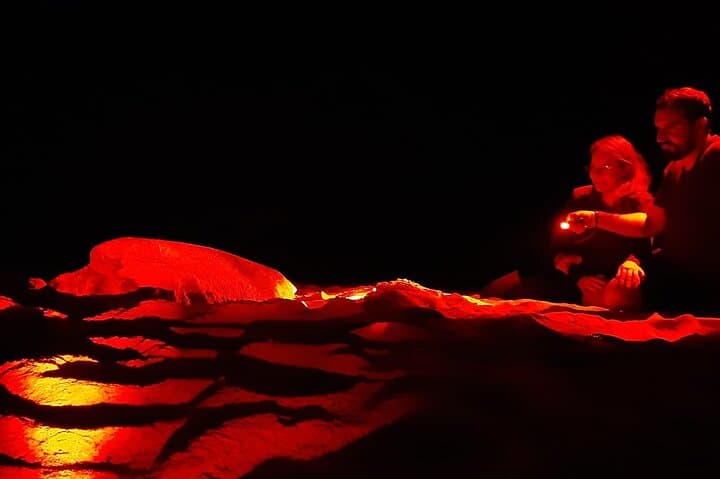
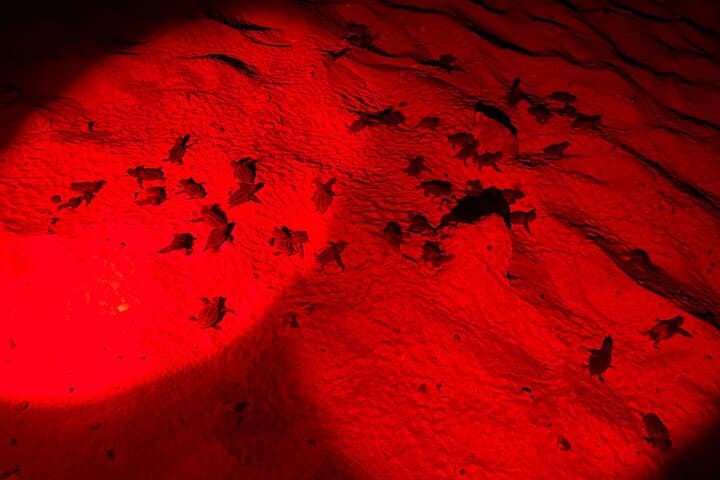
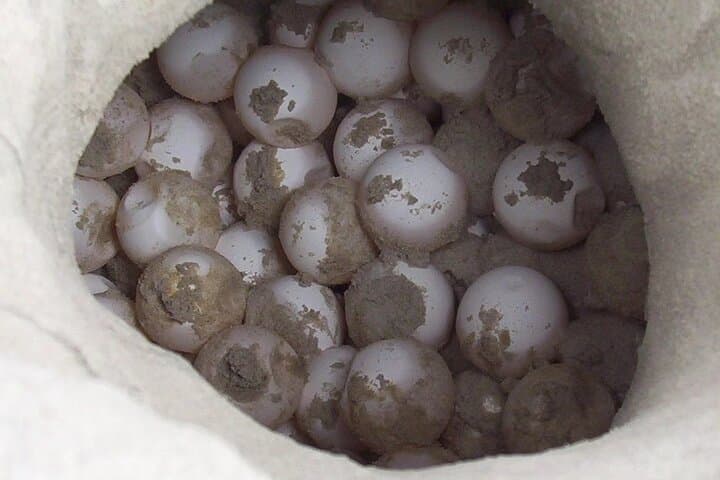
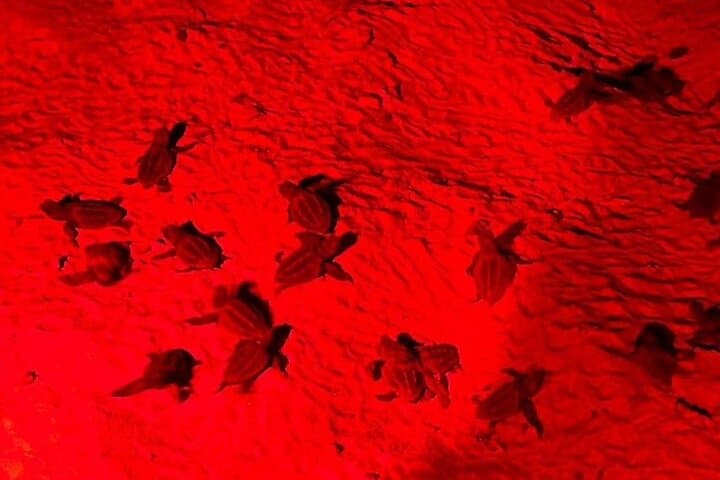
Night arrives quickly on Sal: an air-conditioned minivan eases away from Santa Maria and the town lights thin into a ribbon. In under an hour the engine cuts and the beach opens — broad, wind-swept sand and an ocean that seems to dare you forward. Guides lower their torches; red lights sketch low arcs over the shore. Somewhere ahead, a loggerhead is digging, her flippers carving moons into the sand.
Night arrives quickly on Sal: an air-conditioned minivan eases away from Santa Maria and the town lights thin into a ribbon. In under an hour the engine cuts and the beach opens — broad, wind-swept sand and an ocean that seems to dare you forward. Guides lower their torches; red lights sketch low arcs over the shore. Somewhere ahead, a loggerhead is digging, her flippers carving moons into the sand.
Sal is raw volcanic rock ringed by sand plains and old salt pans — the island’s geology funnels warm currents and creates prime nesting beaches. Cape Verde hosts three sea turtle species, with the loggerhead the most frequent visitor; local communities have paired tourism with conservation, training guides to protect nests and educate visitors.
Practical notes land fast: tours run at night during the nesting season (summer–early fall), last roughly four hours including transport, and operate in small groups so encounters are quiet and controlled. Flash photography, torchlight aimed at animals, and touching turtles are prohibited — guides explain viewing distances and nesting behavior. Expect uneven sand, occasional dune crossings, and cool breezes off the Atlantic. Bring a headlamp with a red filter, closed-toe shoes, insect repellent, and a wind layer.
This is a low-impact wildlife experience: you won’t chase animals but watch a crucial moment in a long life cycle. For travelers who want close, respectful encounters with marine life and a glimpse into island conservation efforts, the night on Sal’s beach is quietly unforgettable.