THE ADVENTURE COLLECTIVE® · Independent discovery and booking for outdoor travel

Explore Santa Maria’s red ash plains, cliffside bays and living cultural heritage on a paced full-day circuit. This guided tour pairs geology and local life with easy walks and photo-ready viewpoints.
Explore Santa Maria’s red ash plains, cliffside bays and living cultural heritage on a paced full-day circuit. This guided tour pairs geology and local life with easy walks and photo-ready viewpoints.
A salt-lean breeze greets the minivan as it rounds low volcanic ridges and drops toward a bay the color of broken glass. Travelers step out onto warm stone; the island’s compact scale makes every landmark feel like part of a single geological story — cinder cones, oxidized ash flats, and a coastline cut by waves that still shape the shore.
Verified experiences and guided adventures in the surrounding area.
Operated by Smatur · Vila do Porto, Azores
A salt-lean breeze greets the minivan as it rounds low volcanic ridges and drops toward a bay the color of broken glass. Travelers step out onto warm stone; the island’s compact scale makes every landmark feel like part of a single geological story — cinder cones, oxidized ash flats, and a coastline cut by waves that still shape the shore.
Santa Maria’s landscape records epochs: the Barreiro da Faneca is a rust-red plain of wind-oxidized volcanic ash formed millions of years ago, while cliffs and coves reveal lava flows and marine terraces. Culturally, Vila do Porto carries maritime echoes — from recorded visits in the 15th century to a living crafts and bakery cooperative that preserves local bread and weaving techniques. The island’s vineyards and small waterfalls add agricultural counterpoint to the raw geology.
On a full-day excursion visitors can expect a paced circuit: panoramic stops at historic forts and viewpoints, a short walk across the Red Desert, a bakery visit to sample island pastries, access to an ethnographic house museum, and time to admire natural pools and coastal bays. Little sections of the itinerary are on gravel or uneven coastal paths, so firm shoes and sun protection make sightseeing more comfortable.
Practical guidance: plan for 6–7 hours, bring water and layers (coastal wind can change quickly), charge a camera for wide seascapes, and reserve mornings for calmer seas and softer light. The tour offers insight into Santa Maria’s geology and culture while keeping the day accessible for most fitness levels.
easy.
6–7 hours.
Suitable for most fitness levels; expect short, low-gradient walks and multiple brief stops.
The excursion runs about 6–7 hours with multiple short stops (15–60 minutes) for viewpoints, a bakery/cooperative visit, an ethnographic museum visit, and natural pools.
Yes — the tour is rated easy and suitable for most fitness levels, though some stops have uneven ground; inform the operator of mobility needs when booking.
Lunch is included with a choice of meat, fish or vegetarian options and drinks; bottled water is provided during the tour.
Dress in layers, bring sturdy shoes for short walks, sun protection, and a light rain jacket; swimwear is recommended in summer if you plan to use the natural pools.
Santa Maria is one of the earliest Azorean islands visited by European mariners in the 15th century; the island’s fortifications and chapel sites reflect its maritime past.
The island emphasizes sustainable tourism and small-scale agriculture; visitors are encouraged to stick to paths, take litter home, and support local cooperatives to reduce environmental impact.
Smatur operates guided outdoor trips and adventures with an emphasis on safety, stewardship, and memorable experiences.
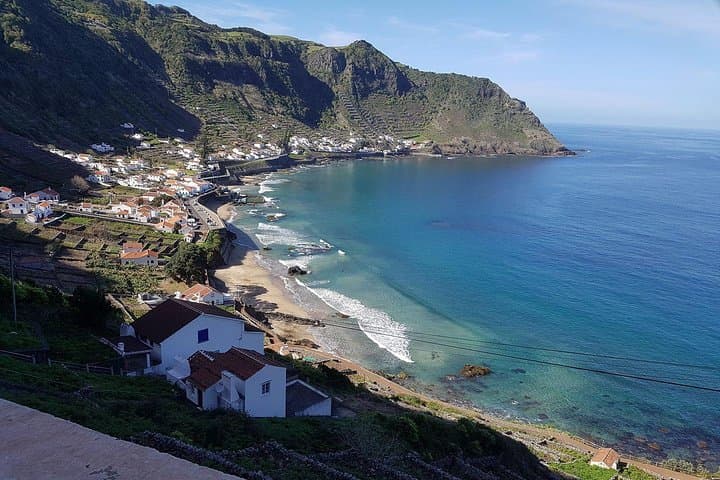

A salt-lean breeze greets the minivan as it rounds low volcanic ridges and drops toward a bay the color of broken glass. Travelers step out onto warm stone; the island’s compact scale makes every landmark feel like part of a single geological story — cinder cones, oxidized ash flats, and a coastline cut by waves that still shape the shore.
A salt-lean breeze greets the minivan as it rounds low volcanic ridges and drops toward a bay the color of broken glass. Travelers step out onto warm stone; the island’s compact scale makes every landmark feel like part of a single geological story — cinder cones, oxidized ash flats, and a coastline cut by waves that still shape the shore.
Santa Maria’s landscape records epochs: the Barreiro da Faneca is a rust-red plain of wind-oxidized volcanic ash formed millions of years ago, while cliffs and coves reveal lava flows and marine terraces. Culturally, Vila do Porto carries maritime echoes — from recorded visits in the 15th century to a living crafts and bakery cooperative that preserves local bread and weaving techniques. The island’s vineyards and small waterfalls add agricultural counterpoint to the raw geology.
On a full-day excursion visitors can expect a paced circuit: panoramic stops at historic forts and viewpoints, a short walk across the Red Desert, a bakery visit to sample island pastries, access to an ethnographic house museum, and time to admire natural pools and coastal bays. Little sections of the itinerary are on gravel or uneven coastal paths, so firm shoes and sun protection make sightseeing more comfortable.
Practical guidance: plan for 6–7 hours, bring water and layers (coastal wind can change quickly), charge a camera for wide seascapes, and reserve mornings for calmer seas and softer light. The tour offers insight into Santa Maria’s geology and culture while keeping the day accessible for most fitness levels.