THE ADVENTURE COLLECTIVE® · Independent discovery and booking for outdoor travel

Spend two focused hours learning wheel‑throwing or hand‑building from local Santa Fe ceramic artists. This accessible studio session blends ancient techniques and modern instruction—expect hands‑on practice, local libations, and a gallery credit for finished work.
Spend two focused hours learning wheel‑throwing or hand‑building from local Santa Fe ceramic artists. This accessible studio session blends ancient techniques and modern instruction—expect hands‑on practice, local libations, and a gallery credit for finished work.
Step into a sun-washed studio a few blocks from the Plaza where clay meets the high‑desert light of Santa Fe. The room hums with the quiet focus of students and the soft whir of wheels; outside, the Sangre de Cristo ridgeline watches in steady silence, its dry air testing every fingertip and glaze.
Verified experiences and guided adventures in the surrounding area.
Operated by Paseo Pottery · Santa Fe, New Mexico
Step into a sun-washed studio a few blocks from the Plaza where clay meets the high‑desert light of Santa Fe. The room hums with the quiet focus of students and the soft whir of wheels; outside, the Sangre de Cristo ridgeline watches in steady silence, its dry air testing every fingertip and glaze.
This two‑hour session pairs contemporary instruction with centuries‑old Southwestern practice. Northern New Mexico has long fused Pueblo clay traditions and Spanish colonial forms; local artists lead guests through wheel‑throwing or hand‑building techniques that echo those lineages. Geologically, the region’s clays and mineral oxides create distinctive earth tones—iron reds, buff ochres—that define New Mexico ceramics.
Culturally, Santa Fe’s ceramics scene is collaborative: these classes are taught by resident artists who also show in neighborhood galleries. Expect a relaxed, social atmosphere that begins with a short demo, hands‑on time at the wheel or at a slab table, and a tasting of local libations.
Practically, the class is beginner‑friendly and wheelchair accessible. Pieces made in class are typically recycled due to firing logistics, but each participant receives a $15 credit toward finished work in the gallery if they want a take‑home piece. Come in layered clothing for the high‑desert variance, wear shoes you don’t mind getting clay on, and bring a water bottle—altitude makes the studio feel drier than you expect.
Plan to arrive early, book in small groups for more attention, and treat the session as a tactile introduction to a fast, satisfying craft rather than a finished product guarantee.
easy.
2 hours.
Suitable for people of most fitness levels; requires seated upper‑body use and fine motor control
Most class pieces are recycled because firing isn’t included; however, each participant receives a $15 discount on fired, gallery‑ready pottery if you want to take a piece home.
Yes—classes are designed for travelers and newcomers with step‑by‑step guidance from professional ceramic artists.
The studio offers drinks and permits BYOB in moderation; check host policies on alcoholic beverages during booking.
Yes—the studio and transportation options listed are wheelchair accessible and staff can accommodate mobility needs.
Santa Fe’s ceramic culture blends Indigenous Pueblo traditions with Spanish colonial techniques; local clay use and decorative motifs evolved from these overlapping histories.
Many studios reuse and reclaim clay scraps to reduce waste and conserve firing energy; opt for purchased fired pieces rather than shipping fragile, one‑off class wares.
Paseo Pottery operates guided outdoor trips and adventures with an emphasis on safety, stewardship, and memorable experiences.
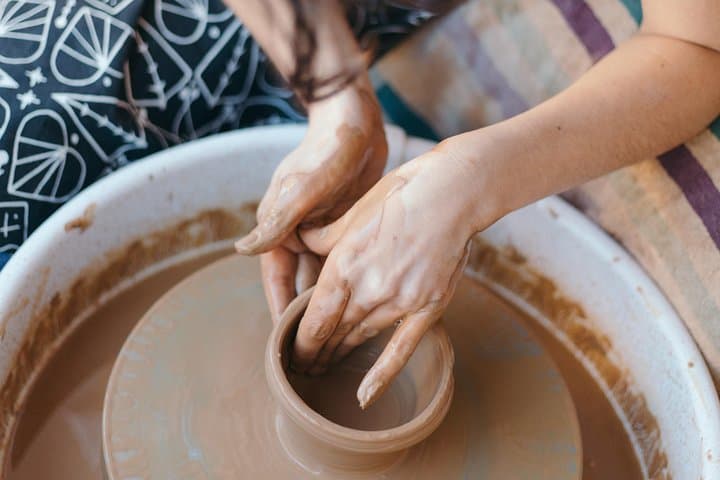
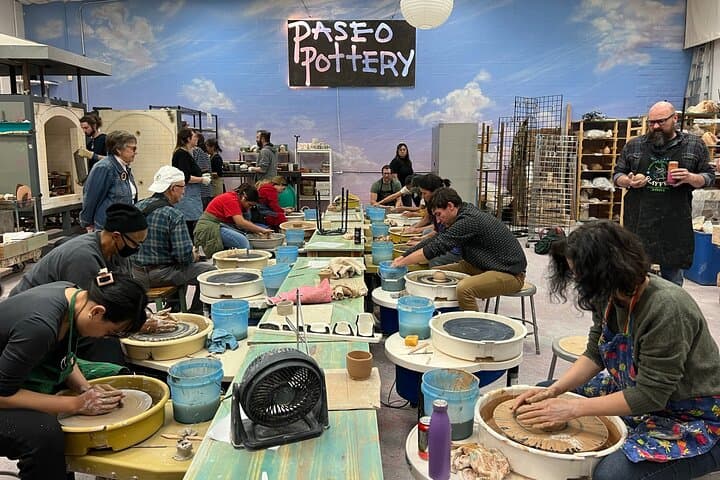
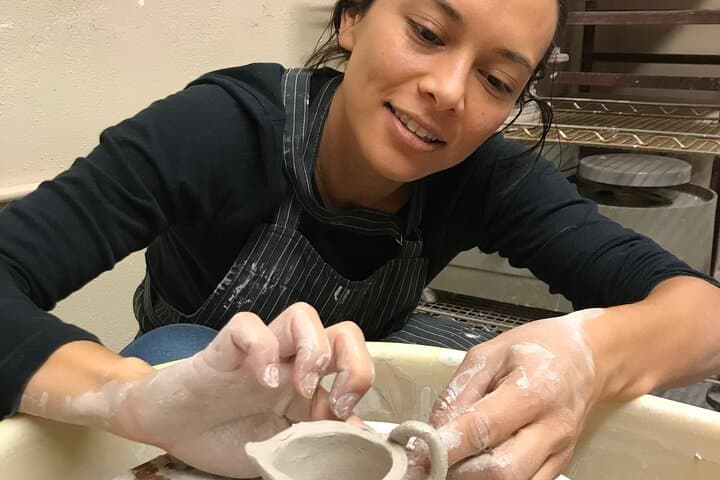
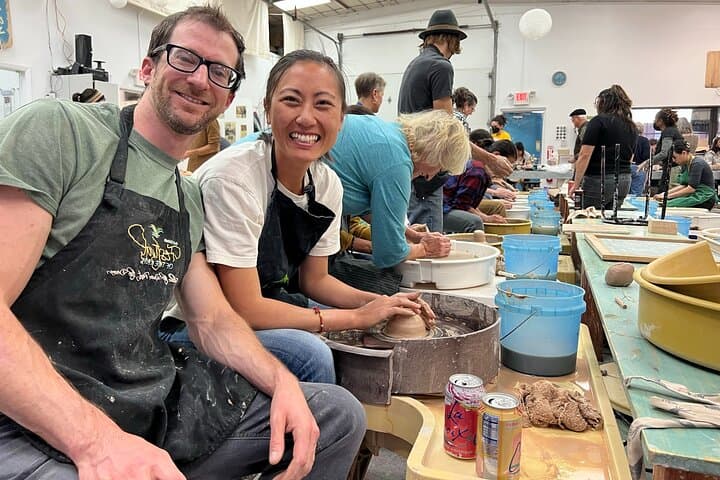
Step into a sun-washed studio a few blocks from the Plaza where clay meets the high‑desert light of Santa Fe. The room hums with the quiet focus of students and the soft whir of wheels; outside, the Sangre de Cristo ridgeline watches in steady silence, its dry air testing every fingertip and glaze.
Step into a sun-washed studio a few blocks from the Plaza where clay meets the high‑desert light of Santa Fe. The room hums with the quiet focus of students and the soft whir of wheels; outside, the Sangre de Cristo ridgeline watches in steady silence, its dry air testing every fingertip and glaze.
This two‑hour session pairs contemporary instruction with centuries‑old Southwestern practice. Northern New Mexico has long fused Pueblo clay traditions and Spanish colonial forms; local artists lead guests through wheel‑throwing or hand‑building techniques that echo those lineages. Geologically, the region’s clays and mineral oxides create distinctive earth tones—iron reds, buff ochres—that define New Mexico ceramics.
Culturally, Santa Fe’s ceramics scene is collaborative: these classes are taught by resident artists who also show in neighborhood galleries. Expect a relaxed, social atmosphere that begins with a short demo, hands‑on time at the wheel or at a slab table, and a tasting of local libations.
Practically, the class is beginner‑friendly and wheelchair accessible. Pieces made in class are typically recycled due to firing logistics, but each participant receives a $15 credit toward finished work in the gallery if they want a take‑home piece. Come in layered clothing for the high‑desert variance, wear shoes you don’t mind getting clay on, and bring a water bottle—altitude makes the studio feel drier than you expect.
Plan to arrive early, book in small groups for more attention, and treat the session as a tactile introduction to a fast, satisfying craft rather than a finished product guarantee.