THE ADVENTURE COLLECTIVE® · Independent discovery and booking for outdoor travel

Step into the Monteverde cloud forest after dark with a certified guide who translates the sounds and signs of nocturnal life. This 90–120 minute guided night walk emphasizes observation, quiet movement, and low-impact practices to maximize wildlife encounters without disturbing the habitat.
Step into the Monteverde cloud forest after dark with a certified guide who translates the sounds and signs of nocturnal life. This 90–120 minute guided night walk emphasizes observation, quiet movement, and low-impact practices to maximize wildlife encounters without disturbing the habitat.
The trail opens into a cool, humid dusk where moss hangs heavy and the forest begins to speak. Headlamps pick out glints of insect eyes and the soft rustle of leaf litter as a guide leads the group beneath a canopy kept wet by clouds that roll up the Tilarán slopes. Night here is active and intimate — frogs call from the understory and an owl’s silhouette may pause on a broken limb.
Verified experiences and guided adventures in the surrounding area.
Operated by Justin Forest Adventures · Monteverde, Puntarenas
The trail opens into a cool, humid dusk where moss hangs heavy and the forest begins to speak. Headlamps pick out glints of insect eyes and the soft rustle of leaf litter as a guide leads the group beneath a canopy kept wet by clouds that roll up the Tilarán slopes. Night here is active and intimate — frogs call from the understory and an owl’s silhouette may pause on a broken limb.
Geology and history shape the route: this part of the cloud forest sits around 1,400 meters on volcanic soils uplifted along Costa Rica’s continental divide, where orographic lift keeps clouds draped across ridges. The reserve’s protection grew from local conservation efforts in the 1970s and a small Quaker community that helped prioritize habitat preservation, a cultural thread still visible in the town of Santa Elena and the community-led guiding tradition.
The experience is observational and low-impact. Guides translate the clues of the night — tracks, calls, and feeding sites — rather than promising sightings. Expect narrow, sometimes muddy trails with roots and low branches; the walk lasts about 90–120 minutes and is paced for all fitness levels. Practical tips: sturdy closed-toe shoes, a reliable flashlight (or headlamp), a light rain layer, and quiet voices all improve your chances of spotting nocturnal species. Avoid flash photography to reduce stress on animals and follow the guide’s instructions for approach distances. Meeting points are typically in Santa Elena; local guides often provide a short orientation before entering the reserve.
This is less a chase for trophies and more an invitation to read the forest at night — patient, observant, and respectful of a fragile ecosystem.
easy.
1.5–2 hours.
Suitable for most fitness levels; should be able to walk on uneven, sometimes muddy terrain for up to two hours.
The tour lasts about 90–120 minutes and usually covers 1–2 kilometers on forest trails at a relaxed pace; distance varies by sightings and trail conditions.
No sightings are guaranteed—guides maximize chances by listening for calls and following signs, but wildlife is unpredictable and often hidden.
Yes; the tour is designed for all fitness levels but participants should be able to walk on uneven terrain for up to two hours; consult the operator about mobility concerns.
Bring a small water bottle; no food is recommended on the trail to avoid attracting animals and impacting the environment.
The cloud forest around Monteverde was protected through local conservation efforts beginning in the 1970s, when settlers and scientists prioritized habitat preservation, shaping today’s guiding culture.
Guides follow strict low-impact practices—stay on trails, avoid flash photography, and refrain from feeding wildlife; these measures protect sensitive nocturnal species and the forest’s microclimate.
Justin Forest Adventures operates guided outdoor trips and adventures with an emphasis on safety, stewardship, and memorable experiences.
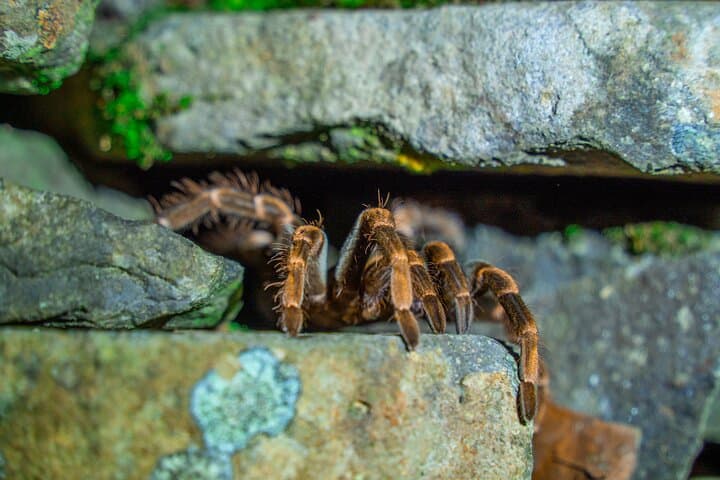
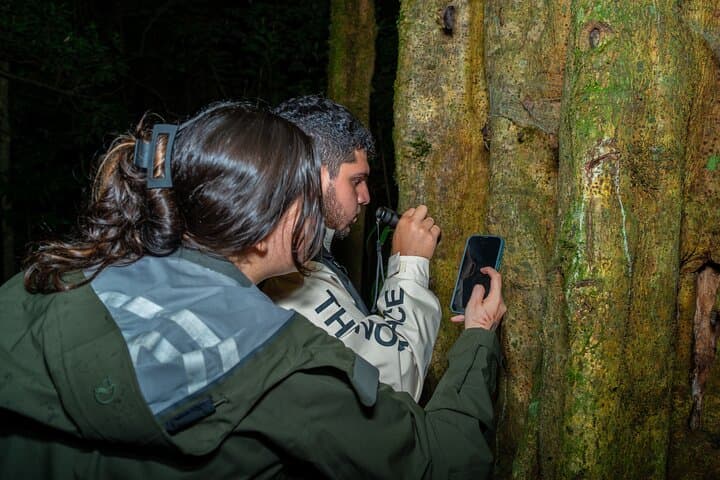
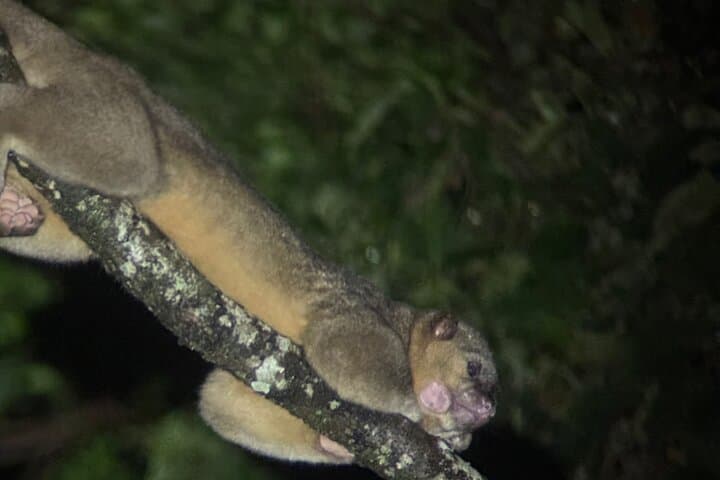
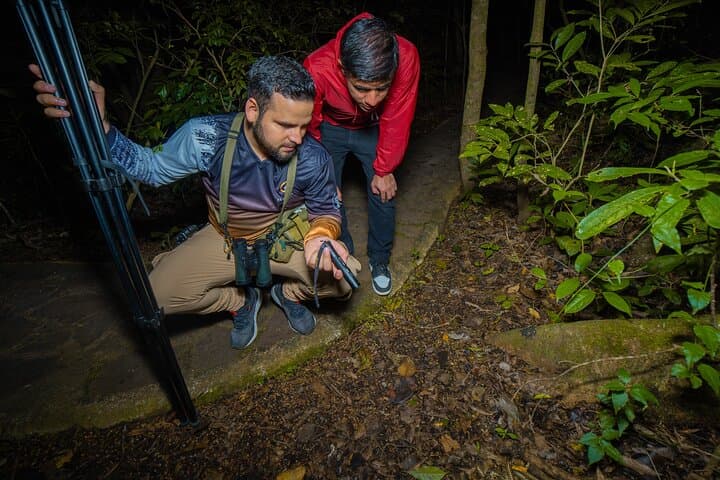
The trail opens into a cool, humid dusk where moss hangs heavy and the forest begins to speak. Headlamps pick out glints of insect eyes and the soft rustle of leaf litter as a guide leads the group beneath a canopy kept wet by clouds that roll up the Tilarán slopes. Night here is active and intimate — frogs call from the understory and an owl’s silhouette may pause on a broken limb.
The trail opens into a cool, humid dusk where moss hangs heavy and the forest begins to speak. Headlamps pick out glints of insect eyes and the soft rustle of leaf litter as a guide leads the group beneath a canopy kept wet by clouds that roll up the Tilarán slopes. Night here is active and intimate — frogs call from the understory and an owl’s silhouette may pause on a broken limb.
Geology and history shape the route: this part of the cloud forest sits around 1,400 meters on volcanic soils uplifted along Costa Rica’s continental divide, where orographic lift keeps clouds draped across ridges. The reserve’s protection grew from local conservation efforts in the 1970s and a small Quaker community that helped prioritize habitat preservation, a cultural thread still visible in the town of Santa Elena and the community-led guiding tradition.
The experience is observational and low-impact. Guides translate the clues of the night — tracks, calls, and feeding sites — rather than promising sightings. Expect narrow, sometimes muddy trails with roots and low branches; the walk lasts about 90–120 minutes and is paced for all fitness levels. Practical tips: sturdy closed-toe shoes, a reliable flashlight (or headlamp), a light rain layer, and quiet voices all improve your chances of spotting nocturnal species. Avoid flash photography to reduce stress on animals and follow the guide’s instructions for approach distances. Meeting points are typically in Santa Elena; local guides often provide a short orientation before entering the reserve.
This is less a chase for trophies and more an invitation to read the forest at night — patient, observant, and respectful of a fragile ecosystem.