THE ADVENTURE COLLECTIVE® · Independent discovery and booking for outdoor travel

A four-day classic of Peru’s Cordillera Blanca, the Santa Cruz Trek links turquoise lagoons, high camps and a 4,750 m pass. Expect glacier-framed views, mule support and long altitude-heavy days — ideal for trekkers ready to acclimatize and move steadily.
A four-day classic of Peru’s Cordillera Blanca, the Santa Cruz Trek links turquoise lagoons, high camps and a 4,750 m pass. Expect glacier-framed views, mule support and long altitude-heavy days — ideal for trekkers ready to acclimatize and move steadily.
A cold, early minivan rumbles out of Huaraz before dawn, dropping you at Cashapampa where arrieros and mules wait beside a white river. The valley narrows, the trail climbs past turquoise ichiccocha and then opens to the first high camp — thin air and a sky that makes the snowy summits look close enough to touch.
Verified experiences and guided adventures in the surrounding area.
Operated by Turismo Exploring Peru · Huaraz, Ancash
A cold, early minivan rumbles out of Huaraz before dawn, dropping you at Cashapampa where arrieros and mules wait beside a white river. The valley narrows, the trail climbs past turquoise ichiccocha and then opens to the first high camp — thin air and a sky that makes the snowy summits look close enough to touch.
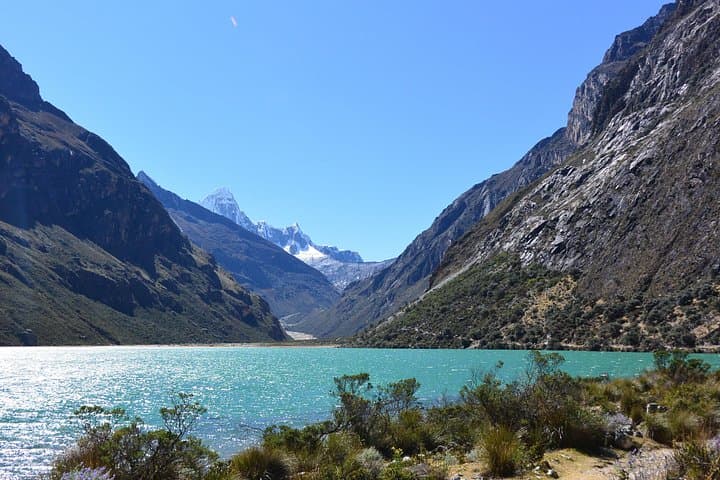
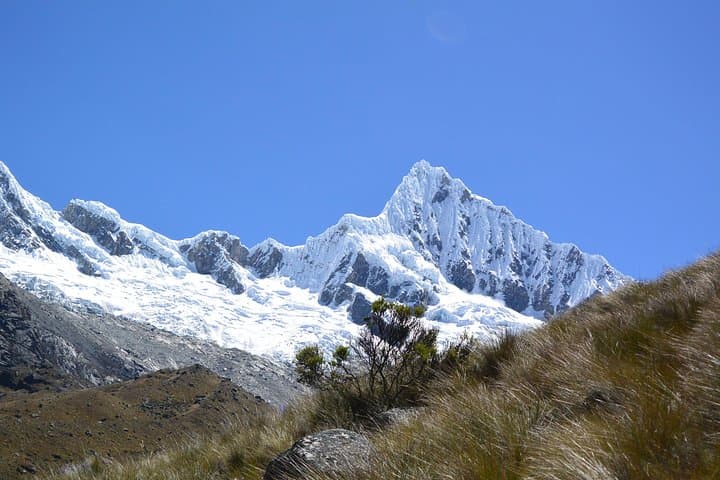
This four-day route traverses a classic glaciated corridor of the Cordillera Blanca. Granite and metamorphic rock underlie glaciers that carved steep cirques and left a necklace of high-altitude lakes: Ichiccocha, Arhuaycocha and the famed Llanganuco pair on the return. The landscape carries strong Quechua presence; communities in Huaylas maintain mule logistics and mountain-time customs. Alpamayo, Artezónraju and Taulliraju watch the route, offering photographic angles few lowland trails can match.
Practically, expect long days (up to 6–7 hours), high camps (3,900–4,250 m) and a day over Punta Unión at ~4,750 m. The operator covers guide, cook and arrieros; you carry a daypack. Acclimatize in Huaraz for 24–48 hours, sip water often and move deliberately on the pass. Good trekking boots, a reliable down layer, sun protection and a lightweight rain shell make the difference between a cold night and a comfortable one.
Leave-no-trace matters: pack out toilet paper, minimize campfire impact and respect grazing areas. Timing your trek in the dry season (May–September) yields firmer trails and clearer summit views. The route is an archetypal Andean trek — raw, high, and uncompromisingly beautiful.
challenging.
4 days.
Good aerobic fitness with experience on multi-day hikes and ability to handle sustained uphill sections at altitude
Punta Unión reaches about 4,750 m with 3–4 hours of uphill on day three; pace yourself, use poles, and expect thinner air and colder winds at the top.
No — the Santa Cruz Trek is a non-technical high-altitude trek; crampons/ropes are not required under normal dry-season conditions.
Yes — the tour includes a guide, cook, arrieros (mule support) and meals as listed, so you primarily need to manage your personal gear and snacks.
The dry season (May–September) offers the best weather and clearer views; shoulder months can bring more unstable conditions and snow higher up.
The route runs through traditional Quechua grazing valleys where mule transport (arrieros) and communal land use shaped access long before trekking guides arrived.
High Andean wetlands and fragile puna vegetation recover slowly; stick to trails, pack out waste and avoid camping on vegetation to limit impact.
Turismo Exploring Peru operates guided outdoor trips and adventures with an emphasis on safety, stewardship, and memorable experiences.
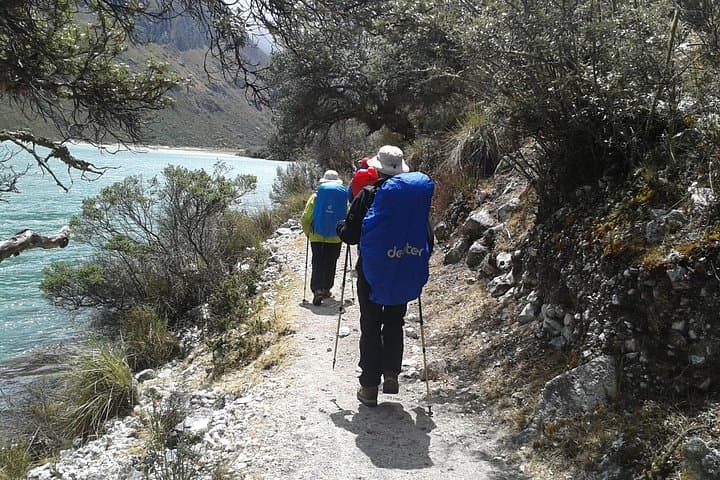
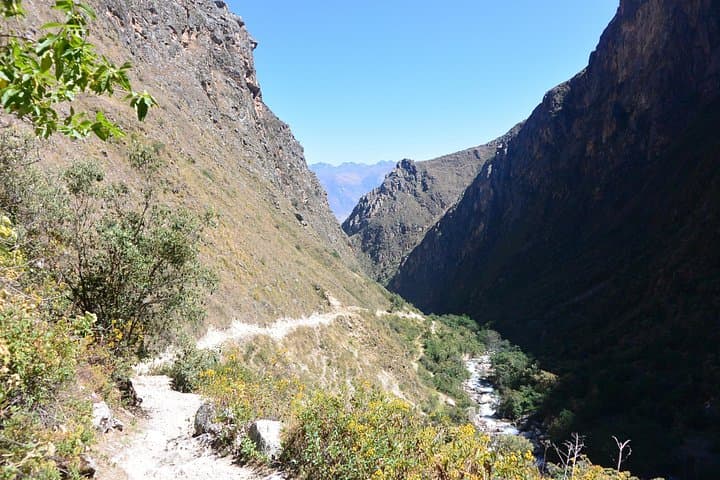
A cold, early minivan rumbles out of Huaraz before dawn, dropping you at Cashapampa where arrieros and mules wait beside a white river. The valley narrows, the trail climbs past turquoise ichiccocha and then opens to the first high camp — thin air and a sky that makes the snowy summits look close enough to touch.
A cold, early minivan rumbles out of Huaraz before dawn, dropping you at Cashapampa where arrieros and mules wait beside a white river. The valley narrows, the trail climbs past turquoise ichiccocha and then opens to the first high camp — thin air and a sky that makes the snowy summits look close enough to touch.
This four-day route traverses a classic glaciated corridor of the Cordillera Blanca. Granite and metamorphic rock underlie glaciers that carved steep cirques and left a necklace of high-altitude lakes: Ichiccocha, Arhuaycocha and the famed Llanganuco pair on the return. The landscape carries strong Quechua presence; communities in Huaylas maintain mule logistics and mountain-time customs. Alpamayo, Artezónraju and Taulliraju watch the route, offering photographic angles few lowland trails can match.
Practically, expect long days (up to 6–7 hours), high camps (3,900–4,250 m) and a day over Punta Unión at ~4,750 m. The operator covers guide, cook and arrieros; you carry a daypack. Acclimatize in Huaraz for 24–48 hours, sip water often and move deliberately on the pass. Good trekking boots, a reliable down layer, sun protection and a lightweight rain shell make the difference between a cold night and a comfortable one.
Leave-no-trace matters: pack out toilet paper, minimize campfire impact and respect grazing areas. Timing your trek in the dry season (May–September) yields firmer trails and clearer summit views. The route is an archetypal Andean trek — raw, high, and uncompromisingly beautiful.