THE ADVENTURE COLLECTIVE® · Independent discovery and booking for outdoor travel

Walk from the Santa Cruz Beach Boardwalk up to Mission Hill through downtown—an easy, interpretive loop that pairs surfside scenes with Spanish-colonial history and Art Deco architecture. Ideal for photographers, history lovers, and families.
Walk from the Santa Cruz Beach Boardwalk up to Mission Hill through downtown—an easy, interpretive loop that pairs surfside scenes with Spanish-colonial history and Art Deco architecture. Ideal for photographers, history lovers, and families.
You meet at the Aloha Picnic Area where the Boardwalk’s wooden planks meet a scatter of volleyball courts; ocean air pushes inland and the surf dares you to look away. The loop climbs and drops through neighborhoods, past clapboard Victorians and a compact downtown where neon, public art and a 1936 Art Deco movie palace mark different eras of the same seaside city.
Verified experiences and guided adventures in the surrounding area.
Operated by Walk Santa Cruz · Santa Cruz, California
You meet at the Aloha Picnic Area where the Boardwalk’s wooden planks meet a scatter of volleyball courts; ocean air pushes inland and the surf dares you to look away. The loop climbs and drops through neighborhoods, past clapboard Victorians and a compact downtown where neon, public art and a 1936 Art Deco movie palace mark different eras of the same seaside city.
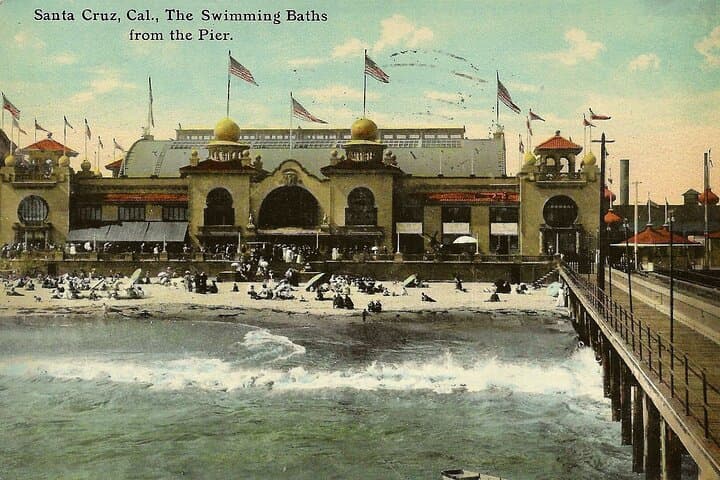
This walk threads together Santa Cruz’s coastal recreation and its Spanish-colonial origins. Mission Santa Cruz was founded in 1791; by the 1830s secularization reoriented the town around a plaza that remains a civic crossroads. The Boardwalk evolved from a working waterfront into California’s oldest surviving amusement park, while City Hall and the Civic Auditorium reflect 1930s Monterey Colonial Revival civic investment.
Geology and streets intersect here: cliffs and sandy pocket beaches give way to the alluvial plain of the San Lorenzo River, so expect compact stairways and short, steep streets as you move from shore to hill.
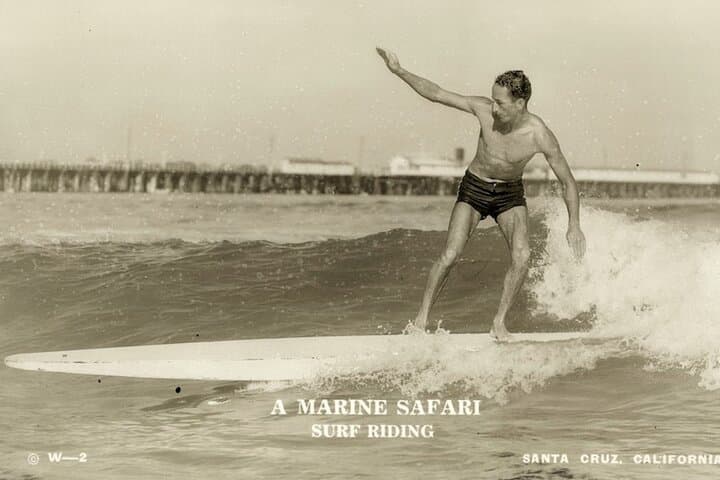
Practical guidance: plan for 2–3 hours including stops, wear comfortable shoes for stairs, and carry a light layer—coastal fog can roll in fast. The route is stroller- and wheelchair-accessible with an alternate path to avoid stairs. Guides share local lore and architectural notes, so arrive ready to ask questions and photograph details from Victorian trim to Art Deco facades. Hydrate, time your visit for morning light or late afternoon warmth, and leave space to linger over a coffee in Mission Plaza or watch surfers from the boardwalk before you loop back to the picnic area.
easy.
2–3 hours.
Suitable for all fitness levels; able to walk on pavement, climb short flights of stairs.
The guided loop runs about 2–3 hours and covers roughly 2–3 miles with short stair sections and mild elevation changes between the beach and Mission Hill.
Yes—there’s an alternative route that avoids stairs and the operator notes stroller and wheelchair accessibility for most of the loop.
The route visits the Mission Plaza area and explains the site’s history; interior access to the mission depends on timing and separate admission policies.
Yes—restrooms and cafes are located near the boardwalk and throughout downtown, and guides typically schedule a short stop for refreshments.
Mission Santa Cruz (founded 1791) shaped the original townsite; 19th–20th century growth transformed the waterfront into the Boardwalk amusement area and downtown civic center.
Coastal erosion and dune restoration are active concerns—stay on designated paths, avoid trampling dune vegetation, and respect wildlife viewing distances.
Walk Santa Cruz operates guided outdoor trips and adventures with an emphasis on safety, stewardship, and memorable experiences.
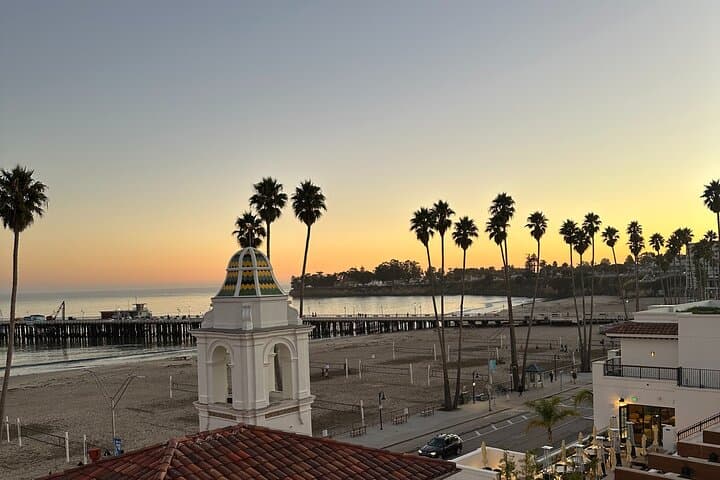
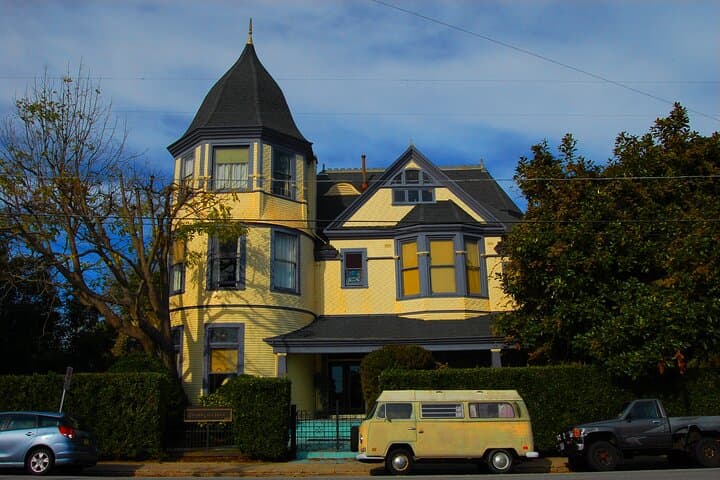
You meet at the Aloha Picnic Area where the Boardwalk’s wooden planks meet a scatter of volleyball courts; ocean air pushes inland and the surf dares you to look away. The loop climbs and drops through neighborhoods, past clapboard Victorians and a compact downtown where neon, public art and a 1936 Art Deco movie palace mark different eras of the same seaside city.
You meet at the Aloha Picnic Area where the Boardwalk’s wooden planks meet a scatter of volleyball courts; ocean air pushes inland and the surf dares you to look away. The loop climbs and drops through neighborhoods, past clapboard Victorians and a compact downtown where neon, public art and a 1936 Art Deco movie palace mark different eras of the same seaside city.
This walk threads together Santa Cruz’s coastal recreation and its Spanish-colonial origins. Mission Santa Cruz was founded in 1791; by the 1830s secularization reoriented the town around a plaza that remains a civic crossroads. The Boardwalk evolved from a working waterfront into California’s oldest surviving amusement park, while City Hall and the Civic Auditorium reflect 1930s Monterey Colonial Revival civic investment.
Geology and streets intersect here: cliffs and sandy pocket beaches give way to the alluvial plain of the San Lorenzo River, so expect compact stairways and short, steep streets as you move from shore to hill.
Practical guidance: plan for 2–3 hours including stops, wear comfortable shoes for stairs, and carry a light layer—coastal fog can roll in fast. The route is stroller- and wheelchair-accessible with an alternate path to avoid stairs. Guides share local lore and architectural notes, so arrive ready to ask questions and photograph details from Victorian trim to Art Deco facades. Hydrate, time your visit for morning light or late afternoon warmth, and leave space to linger over a coffee in Mission Plaza or watch surfers from the boardwalk before you loop back to the picnic area.