THE ADVENTURE COLLECTIVE® · Independent discovery and booking for outdoor travel

Spend an hour with 15–20 free-roaming rescued cats in a calm, home-style setting in Santa Barbara. This visit supports local shelter efforts, helps socialize cats for adoption, and is accessible to most visitors.
Spend an hour with 15–20 free-roaming rescued cats in a calm, home-style setting in Santa Barbara. This visit supports local shelter efforts, helps socialize cats for adoption, and is accessible to most visitors.
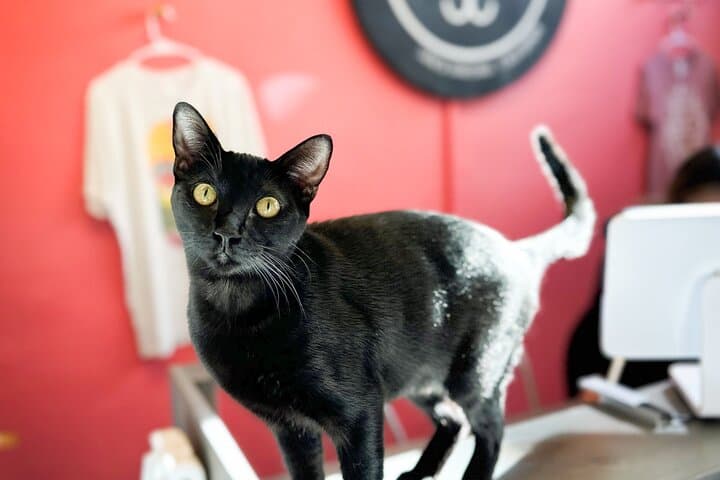
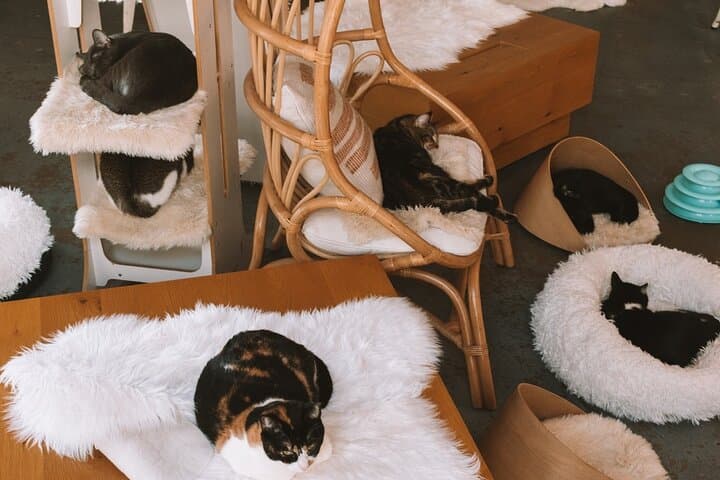
Sunlight slants through a homey room where low sofas and soft rugs frame a parade of whiskers and slow blinks.
Verified experiences and guided adventures in the surrounding area.
Operated by Cat Therapy · Santa Barbara, California
Sunlight slants through a homey room where low sofas and soft rugs frame a parade of whiskers and slow blinks.
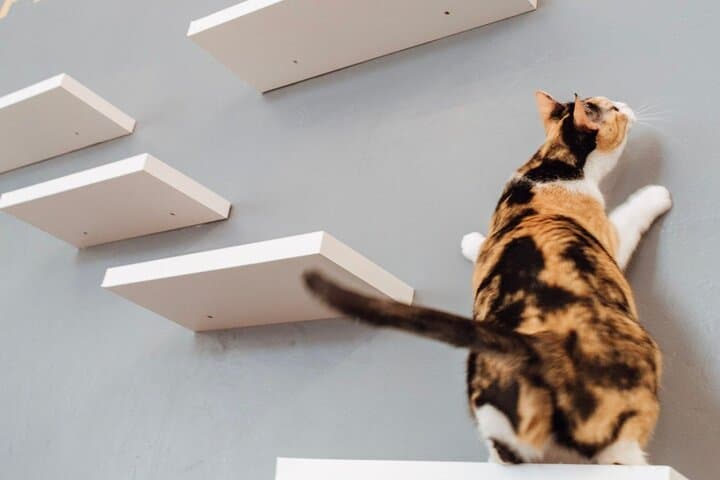
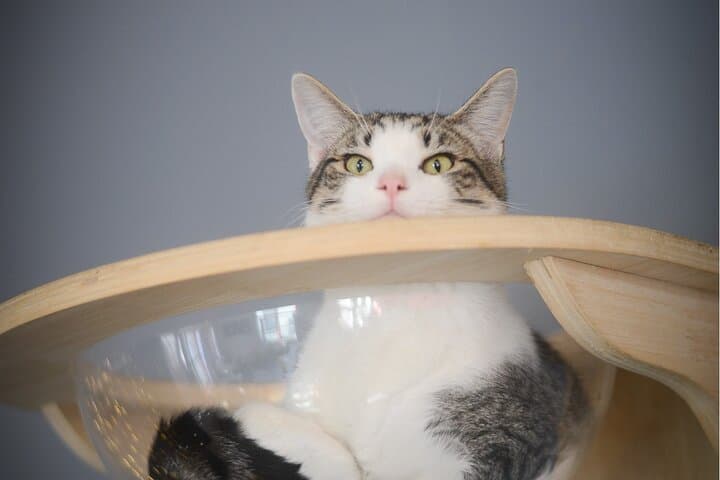
You step in and the space quiets—15–20 rescued cats roam, flop, and insistently purr. The atmosphere is more living room than shelter: volunteers circulating, toys skittering, and quiet corners where shy cats accept cautious hands. The visit is less about spectacle and more about companionship; each hour helps socialize cats waiting for adoption and funds the local rescue network.
Santa Barbara’s compact urban fabric and beach-adjacent climate mean plenty of foster homes and community support for animal welfare. The region’s human history—maritime trade, mission-era settlement, and a long-running culture of neighborhood activism—feeds into robust nonprofit networks that run programs like this one. Geology and climate matter too: mild winters and temperate summers make year-round foster care viable, so litters and adults cycle through adoption more steadily than in harsher climates.
Practically: sessions last an hour, require a single mobile ticket, and are wheelchair accessible. Expect gentle rules—no chasing, limited lap time for nervous cats, and hand-sanitizing stations. Wear comfortable, hair-tolerant clothing and plan for pet dander if you have allergies.
Timing your visit for morning or early afternoon increases the chances of meeting playful cats; evenings can be nap-heavy. Whether you’re a local or passing through Santa Barbara, this is a short, low-effort way to connect with animals, support adoption, and learn about fostering in a community that values animal care.
easy.
1 hour.
No special fitness required; suitable for most visitors including children and those with limited mobility
Each session is 60 minutes long; the booking system issues one ticket per booking and admission is instant confirmation.
Yes—children are welcome but must be supervised and follow handling rules to protect both kids and cats.
Yes, the experience is wheelchair and stroller accessible with accessible surfaces and transportation nearby.
Adoption policies vary; staff can provide adoption application details and next steps if you’re interested in taking a cat home.
Santa Barbara’s local rescue groups and foster networks grew from community-driven animal welfare efforts, evolving into organized programs that support adoption and rehabilitation.
Visits directly support shelter funding and reduce overcrowding; follow facility rules to minimize stress on animals and leave no waste behind.
Cat Therapy operates guided outdoor trips and adventures with an emphasis on safety, stewardship, and memorable experiences.
Sunlight slants through a homey room where low sofas and soft rugs frame a parade of whiskers and slow blinks.
Sunlight slants through a homey room where low sofas and soft rugs frame a parade of whiskers and slow blinks.
You step in and the space quiets—15–20 rescued cats roam, flop, and insistently purr. The atmosphere is more living room than shelter: volunteers circulating, toys skittering, and quiet corners where shy cats accept cautious hands. The visit is less about spectacle and more about companionship; each hour helps socialize cats waiting for adoption and funds the local rescue network.
Santa Barbara’s compact urban fabric and beach-adjacent climate mean plenty of foster homes and community support for animal welfare. The region’s human history—maritime trade, mission-era settlement, and a long-running culture of neighborhood activism—feeds into robust nonprofit networks that run programs like this one. Geology and climate matter too: mild winters and temperate summers make year-round foster care viable, so litters and adults cycle through adoption more steadily than in harsher climates.
Practically: sessions last an hour, require a single mobile ticket, and are wheelchair accessible. Expect gentle rules—no chasing, limited lap time for nervous cats, and hand-sanitizing stations. Wear comfortable, hair-tolerant clothing and plan for pet dander if you have allergies.
Timing your visit for morning or early afternoon increases the chances of meeting playful cats; evenings can be nap-heavy. Whether you’re a local or passing through Santa Barbara, this is a short, low-effort way to connect with animals, support adoption, and learn about fostering in a community that values animal care.