THE ADVENTURE COLLECTIVE® · Independent discovery and booking for outdoor travel

Discover Santa Ana beyond the postcard: a two-hour, guide-led walk that mixes major landmarks like the cathedral and National Theater with local cafés, markets, and stories only a resident would know. Ideal for travelers who want a compact, immersive introduction to the city's culture and history.
Discover Santa Ana beyond the postcard: a two-hour, guide-led walk that mixes major landmarks like the cathedral and National Theater with local cafés, markets, and stories only a resident would know. Ideal for travelers who want a compact, immersive introduction to the city's culture and history.
You step off the central plaza as the cathedral’s stone façade catches late-morning light, and the city exhales around you — vendors call, a bicycle bell chimes, and a guide folds history into the rhythm of the streets.
Verified experiences and guided adventures in the surrounding area.
Operated by Free Tour Expert · Santa Ana, Santa Ana
You step off the central plaza as the cathedral’s stone façade catches late-morning light, and the city exhales around you — vendors call, a bicycle bell chimes, and a guide folds history into the rhythm of the streets.
This two-hour walking tour threads Baroque architecture, early-20th-century theaters, and neighborhood cafés into a compact urban hike. Guides point out the Cathedral of Santa Ana (completed in 1770) and the National Theater, explaining how coffee wealth and republican-era ambition shaped facades and public spaces. The School of Arts and quieter alleys reveal a living arts scene and working-market culture that most passersby miss.
Santa Ana sits on volcanic soils near the Izalco-Ilamatepec complex; the ground beneath the city tells of eruptions that sculpted the highlands and fed the coffee economy. Everyday life here blends Mestizo and Indigenous influences — pupuserías rub shoulders with pasa-cafés, and local legends surface in markets and murals.
Practicalities: expect mostly flat, cobbled streets with short stair runs and curb cuts; a casual two-hour pace fits most fitness levels. Bring sun protection, comfortable walking shoes, and small local currency for snacks or souvenirs. Mornings are cooler and quieter; late afternoons bring a busier plaza and stronger light for photos.
Guides can tailor the route to interest — history, architecture, or food — so tell them your focus. This tour is ideal for travelers who want an interpreted, human-scale view of Santa Ana rather than a checklist of landmarks.
easy.
2 hours.
Suitable for most abilities; requires standing and walking on uneven pavement for up to two hours.
The tour runs approximately two hours and covers central Santa Ana sites at an easy walking pace.
Yes — the route is mostly flat with short stair sections; guides accommodate slower paces and frequent stops.
The tour is offered with a bilingual guide; confirm language preference when booking.
Yes — guides typically tailor stops to interests such as food, architecture, or local history when possible.
Santa Ana grew into a coffee-production and commercial center in the 19th century; its grand buildings reflect that economic boom and republican-era civic pride.
Urban conservation focuses on preserving historic façades and improving public spaces; visitors are encouraged to support local businesses and minimize litter.
Free Tour Expert operates guided outdoor trips and adventures with an emphasis on safety, stewardship, and memorable experiences.
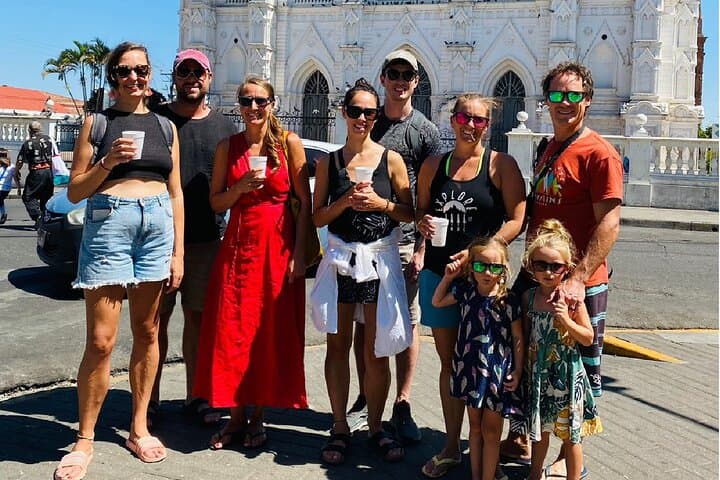
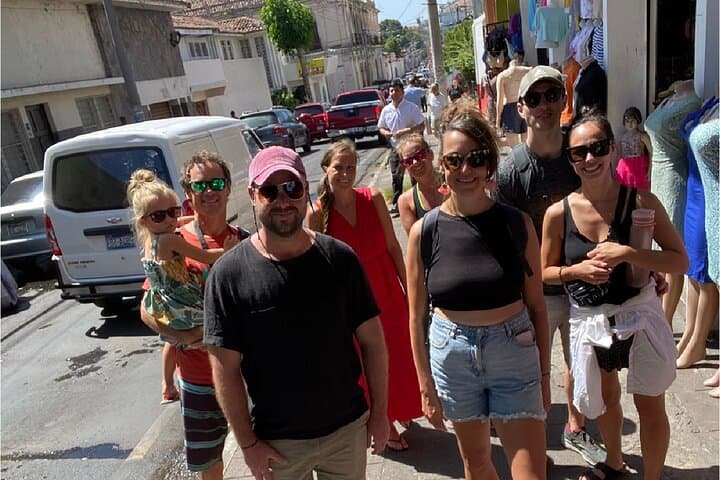
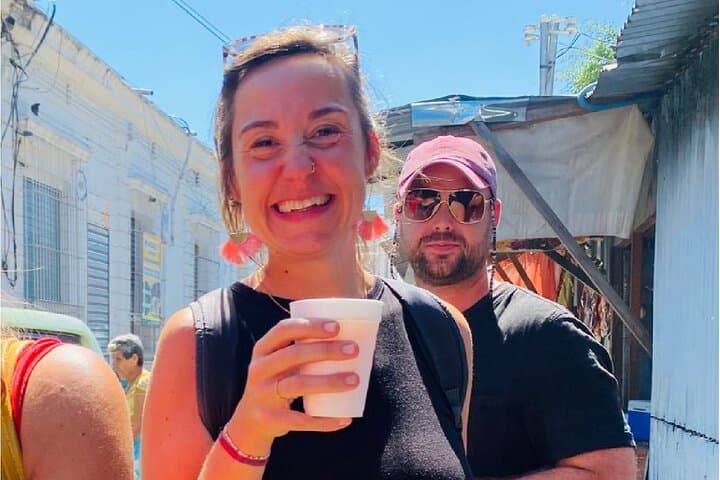
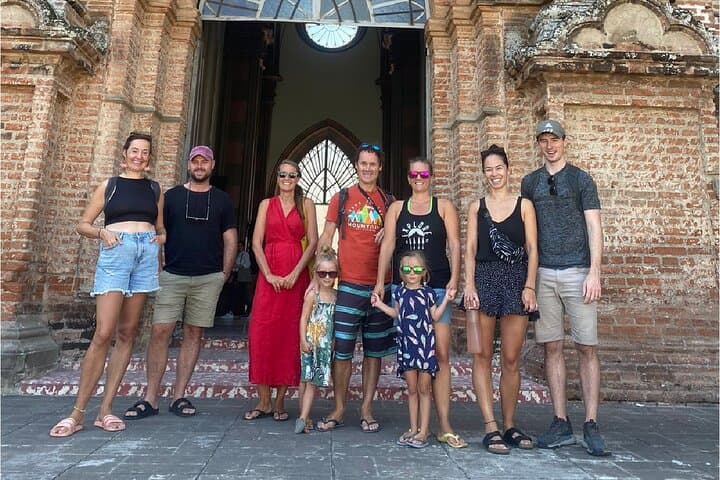
You step off the central plaza as the cathedral’s stone façade catches late-morning light, and the city exhales around you — vendors call, a bicycle bell chimes, and a guide folds history into the rhythm of the streets.
You step off the central plaza as the cathedral’s stone façade catches late-morning light, and the city exhales around you — vendors call, a bicycle bell chimes, and a guide folds history into the rhythm of the streets.
This two-hour walking tour threads Baroque architecture, early-20th-century theaters, and neighborhood cafés into a compact urban hike. Guides point out the Cathedral of Santa Ana (completed in 1770) and the National Theater, explaining how coffee wealth and republican-era ambition shaped facades and public spaces. The School of Arts and quieter alleys reveal a living arts scene and working-market culture that most passersby miss.
Santa Ana sits on volcanic soils near the Izalco-Ilamatepec complex; the ground beneath the city tells of eruptions that sculpted the highlands and fed the coffee economy. Everyday life here blends Mestizo and Indigenous influences — pupuserías rub shoulders with pasa-cafés, and local legends surface in markets and murals.
Practicalities: expect mostly flat, cobbled streets with short stair runs and curb cuts; a casual two-hour pace fits most fitness levels. Bring sun protection, comfortable walking shoes, and small local currency for snacks or souvenirs. Mornings are cooler and quieter; late afternoons bring a busier plaza and stronger light for photos.
Guides can tailor the route to interest — history, architecture, or food — so tell them your focus. This tour is ideal for travelers who want an interpreted, human-scale view of Santa Ana rather than a checklist of landmarks.