THE ADVENTURE COLLECTIVE® · Independent discovery and booking for outdoor travel

Climb to the brim of Santa Ana Volcano to peer into an emerald crater lake, then unwind on the shores of Lake Coatepeque. This full-day pairing mixes volcanic panoramas with warm-water relaxation—perfect for hikers who want variety in a single outing.
Climb to the brim of Santa Ana Volcano to peer into an emerald crater lake, then unwind on the shores of Lake Coatepeque. This full-day pairing mixes volcanic panoramas with warm-water relaxation—perfect for hikers who want variety in a single outing.
You start before dawn on a zigzag of volcanic soil, headlamp cutting a path through cool pine-scrub air as the crater’s rim waits like an open eye. The trail climbs steadily—rock, loose ash and packed earth—until the landscape opens and the crater lake appears: an emerald basin boiling with subtle steam, ringed by raw, serrated cliffs and a sweeping 180º view of the Izalco cone, Zapotitán valley and the Pacific beyond.
Verified experiences and guided adventures in the surrounding area.
Operated by Natural Trekking Central America · Santa Ana, Santa Ana Department
You start before dawn on a zigzag of volcanic soil, headlamp cutting a path through cool pine-scrub air as the crater’s rim waits like an open eye. The trail climbs steadily—rock, loose ash and packed earth—until the landscape opens and the crater lake appears: an emerald basin boiling with subtle steam, ringed by raw, serrated cliffs and a sweeping 180º view of the Izalco cone, Zapotitán valley and the Pacific beyond.
Geologically, Santa Ana (Ilamatepec) is El Salvador’s highest volcano; its crater lake sits where explosive eruptions and collapsed rock met rainfall over millennia. Culturally the slopes have long been part of local life—rural communities, coffee farms and guides who read weather and fumaroles like a second language. The volcano’s 2005 activity is recent memory here, a reminder of a living system rather than a static vista.
After the hike the tour eases into the calm of Lake Coatepeque, a volcanic caldera with warm springs and clear water—ideal for a swim and seafood at a lakeside hostel. Expect a contrast: the sharp, wind-swept rim of the volcano swapped for placid water and late-afternoon light.
Practical guidance: allow 6–8 hours, stable hiking shoes, 1.5–2 L water, sun protection and layers for wind at the summit. Trails are uneven and can be slippery after rain; guides commonly include park admission and transport. Start early for cooler temperatures and clearer views, and plan your camera for crater reflections and wide Pacific light at the horizon.
moderate.
6–8 hours.
Moderate fitness: comfortable with sustained uphill hiking and short steep sections; suitable for regular walkers.
Expect about 1.5–2.5 hours each way depending on pace and conditions; total walking time varies with stops for photos and views.
You can view the emerald lake from the rim; access to the crater floor is restricted—follow your guide and park rules to stay safe.
No technical experience required, but participants should be comfortable with sustained uphill hiking and uneven ground.
Most organized day tours include round-trip transport and national park admission—confirm when booking.
Santa Ana (Ilamatepec) is the highest volcano in El Salvador and has had notable eruptions in modern history, including activity in 2005; its crater lake sits in an active caldera system.
The volcano and surrounding forests are managed as a national park—stay on trails, pack out waste and support local guides to minimize impact.
Natural Trekking Central America operates guided outdoor trips and adventures with an emphasis on safety, stewardship, and memorable experiences.
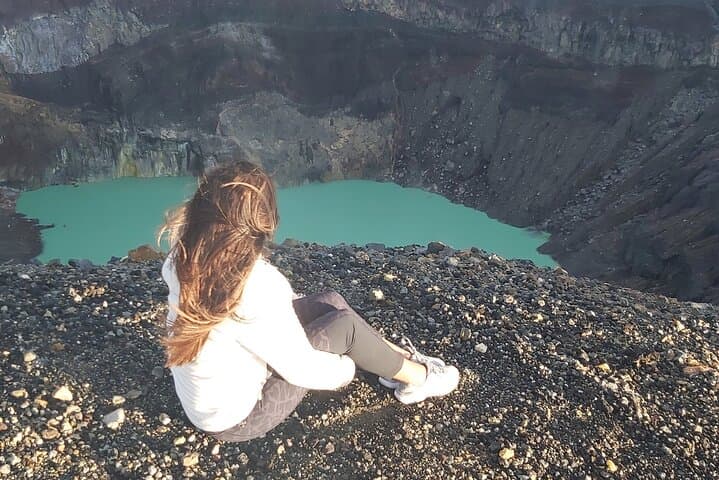
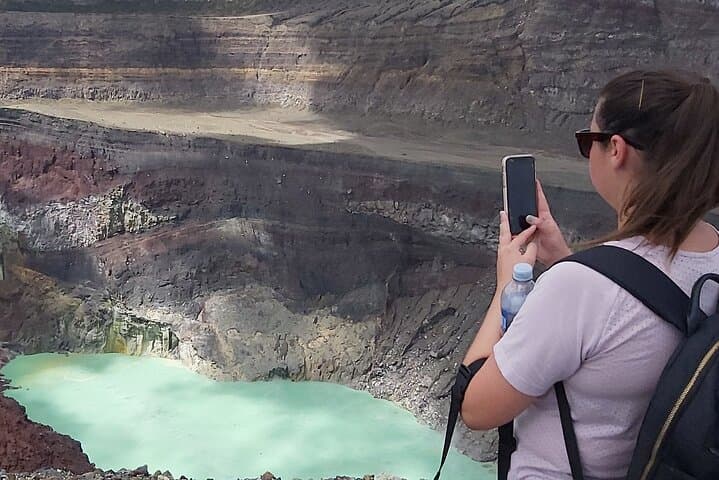
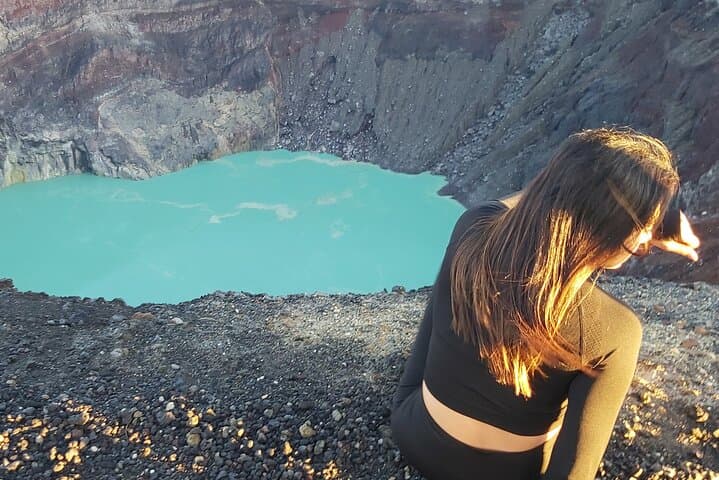
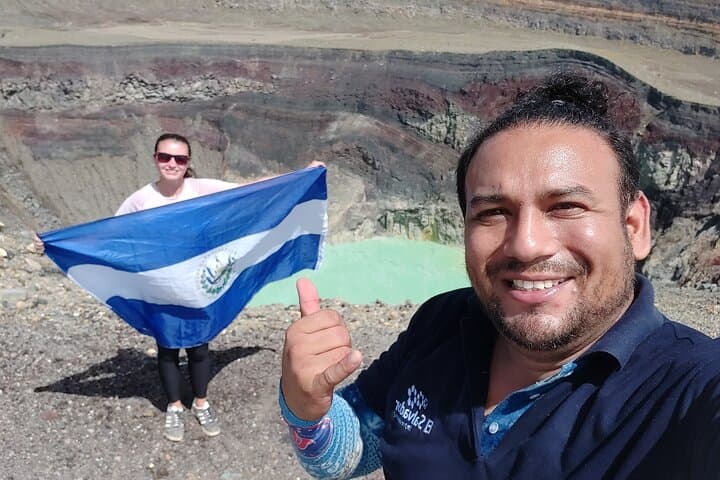
You start before dawn on a zigzag of volcanic soil, headlamp cutting a path through cool pine-scrub air as the crater’s rim waits like an open eye. The trail climbs steadily—rock, loose ash and packed earth—until the landscape opens and the crater lake appears: an emerald basin boiling with subtle steam, ringed by raw, serrated cliffs and a sweeping 180º view of the Izalco cone, Zapotitán valley and the Pacific beyond.
You start before dawn on a zigzag of volcanic soil, headlamp cutting a path through cool pine-scrub air as the crater’s rim waits like an open eye. The trail climbs steadily—rock, loose ash and packed earth—until the landscape opens and the crater lake appears: an emerald basin boiling with subtle steam, ringed by raw, serrated cliffs and a sweeping 180º view of the Izalco cone, Zapotitán valley and the Pacific beyond.
Geologically, Santa Ana (Ilamatepec) is El Salvador’s highest volcano; its crater lake sits where explosive eruptions and collapsed rock met rainfall over millennia. Culturally the slopes have long been part of local life—rural communities, coffee farms and guides who read weather and fumaroles like a second language. The volcano’s 2005 activity is recent memory here, a reminder of a living system rather than a static vista.
After the hike the tour eases into the calm of Lake Coatepeque, a volcanic caldera with warm springs and clear water—ideal for a swim and seafood at a lakeside hostel. Expect a contrast: the sharp, wind-swept rim of the volcano swapped for placid water and late-afternoon light.
Practical guidance: allow 6–8 hours, stable hiking shoes, 1.5–2 L water, sun protection and layers for wind at the summit. Trails are uneven and can be slippery after rain; guides commonly include park admission and transport. Start early for cooler temperatures and clearer views, and plan your camera for crater reflections and wide Pacific light at the horizon.