THE ADVENTURE COLLECTIVE® · Independent discovery and booking for outdoor travel

Spend two days climbing to the summit of Sant Jeroni, sleeping in a cave-refuge, and returning via the Montserrat Abbey. This route pairs rugged limestone scenery with local pilgrimage history and practical, uncomplicated bivouac camping.
Spend two days climbing to the summit of Sant Jeroni, sleeping in a cave-refuge, and returning via the Montserrat Abbey. This route pairs rugged limestone scenery with local pilgrimage history and practical, uncomplicated bivouac camping.
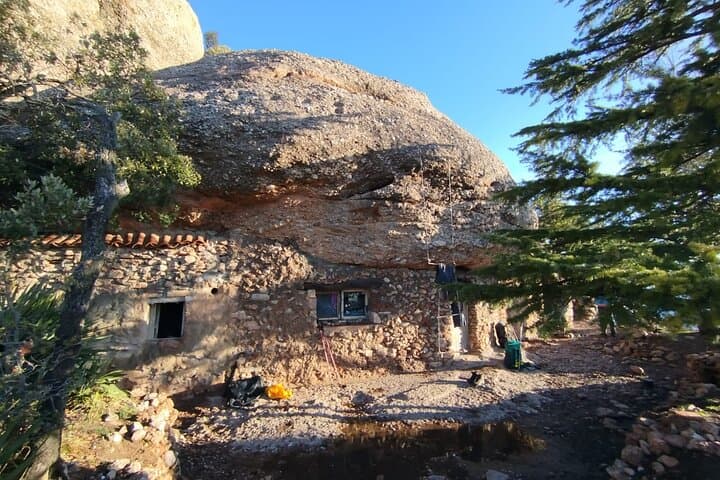
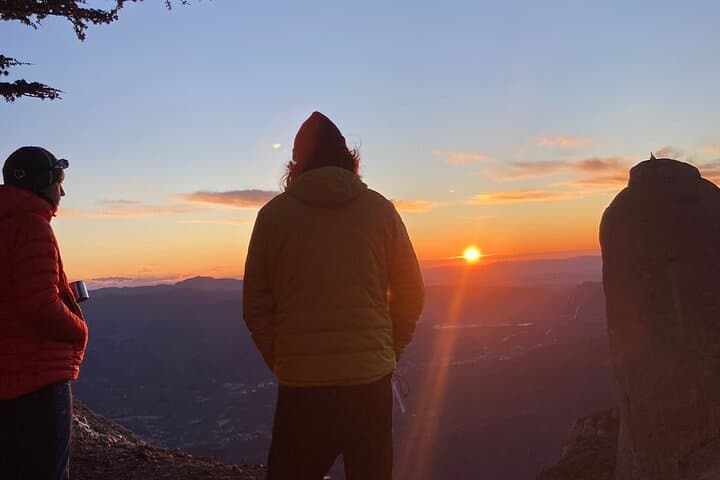
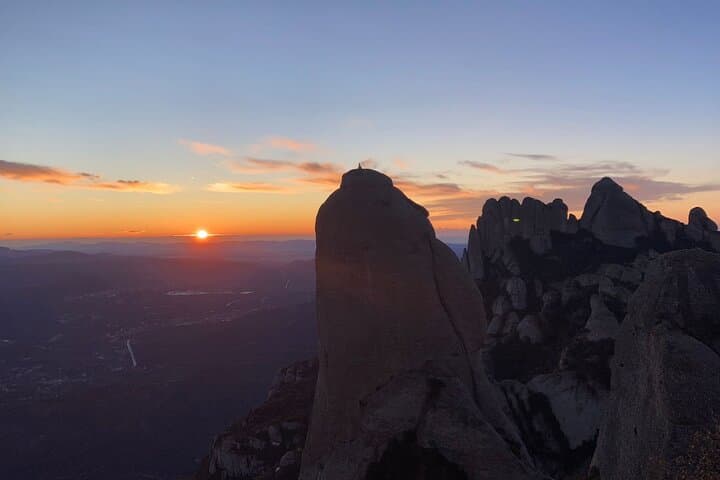
You crest the last rocky ledge as late afternoon light slants across the serrated skyline of Montserrat. Wind pushes against the cliffs and the massif seems to breathe — stone ribs and pinnacles casting long shadows while the monastery's bells murmur from below. On this two-day route, hikers walk from sunlit terraces into a small cave-refuge where a bivouac night frames the valley like a pressed photograph.
Verified experiences and guided adventures in the surrounding area.
Operated by Aclimatando Experiencias de Montaña · Monistrol de Montserrat, Catalonia
You crest the last rocky ledge as late afternoon light slants across the serrated skyline of Montserrat. Wind pushes against the cliffs and the massif seems to breathe — stone ribs and pinnacles casting long shadows while the monastery's bells murmur from below. On this two-day route, hikers walk from sunlit terraces into a small cave-refuge where a bivouac night frames the valley like a pressed photograph.
Montserrat’s rocks are weathered limestone: rounded domes carved by millions of years of erosion that make steep, short pitches and sudden viewpoints. The monastery at the mountain’s base grew around a 9th–11th century hermitage and has drawn pilgrims to the Virgin of Montserrat for centuries, giving the massif a layered cultural life of faith, shepherding, and climbing.
Expect narrow trails, metal stair sections in places, and panoramas that open to the Catalan plain and the Pyrenees on clear days. Wildlife is subtle — raptors wheel on thermals while scrub and rock hosts hardy shrubs adapted to thin soils. Locals value the site for pilgrimage and climbing, so follow established routes and respect quiet hours around the refuge.
Practical notes: the summit (Sant Jeroni, ~1,236 m) is reached by ~3–6 hours of walking depending on pace and route; day one culminates in an equipped cave-refuge bivouac. Pack layers, headlamp, and at least 2–3 liters of water; expect cooler, windier conditions after sunset. Public transport reaches the monastery area, but approach hikes or short transfers are typical. Start early to avoid heat, and allocate time to visit the abbey on the return day.
moderate.
2 days (approx. 48 hours); summit approach 3–6 hours each way depending on route.
Suitable for hikers in regular active condition able to handle multiple hours of uphill walking with a daypack and a light overnight load
Expect several hours of steady uphill on day one with short steep sections; the overall itinerary is rated moderate and suitable for hikers in regular active condition.
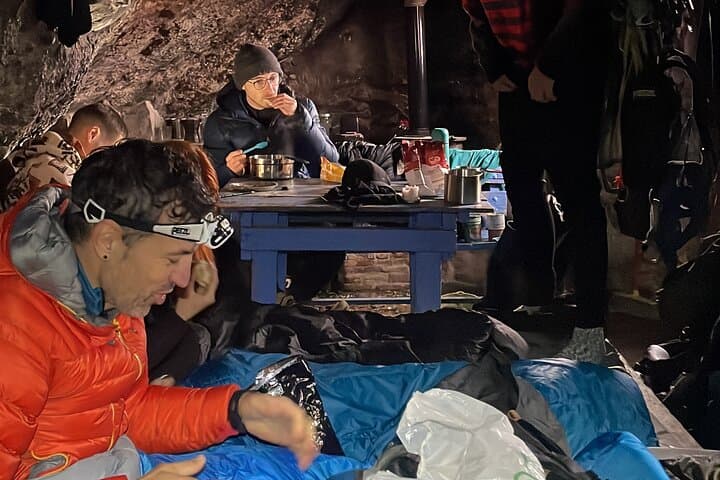
The cave-refuge is a simple mountain refuge with basic shelter; it’s not a serviced hut—bring sleeping gear, a headlamp, and warm clothing.
Yes — trains and the rack railway or cable car access the monastery area from Barcelona and nearby towns; a short hike or transfer is normally required to reach trailheads.
This organized tour includes the refuge night as part of the itinerary; for independent travel, check local regulations and refuge rules—wild camping is controlled in parts of the massif.
The Montserrat monastery grew around medieval hermitages from the 11th century onward and has been a regional pilgrimage site for centuries.
Montserrat’s limestone ridges host fragile vegetation and nesting raptors—stay on trails, avoid disturbing cliffs, and pack out all waste.
Aclimatando Experiencias de Montaña operates guided outdoor trips and adventures with an emphasis on safety, stewardship, and memorable experiences.
You crest the last rocky ledge as late afternoon light slants across the serrated skyline of Montserrat. Wind pushes against the cliffs and the massif seems to breathe — stone ribs and pinnacles casting long shadows while the monastery's bells murmur from below. On this two-day route, hikers walk from sunlit terraces into a small cave-refuge where a bivouac night frames the valley like a pressed photograph.
You crest the last rocky ledge as late afternoon light slants across the serrated skyline of Montserrat. Wind pushes against the cliffs and the massif seems to breathe — stone ribs and pinnacles casting long shadows while the monastery's bells murmur from below. On this two-day route, hikers walk from sunlit terraces into a small cave-refuge where a bivouac night frames the valley like a pressed photograph.
Montserrat’s rocks are weathered limestone: rounded domes carved by millions of years of erosion that make steep, short pitches and sudden viewpoints. The monastery at the mountain’s base grew around a 9th–11th century hermitage and has drawn pilgrims to the Virgin of Montserrat for centuries, giving the massif a layered cultural life of faith, shepherding, and climbing.
Expect narrow trails, metal stair sections in places, and panoramas that open to the Catalan plain and the Pyrenees on clear days. Wildlife is subtle — raptors wheel on thermals while scrub and rock hosts hardy shrubs adapted to thin soils. Locals value the site for pilgrimage and climbing, so follow established routes and respect quiet hours around the refuge.
Practical notes: the summit (Sant Jeroni, ~1,236 m) is reached by ~3–6 hours of walking depending on pace and route; day one culminates in an equipped cave-refuge bivouac. Pack layers, headlamp, and at least 2–3 liters of water; expect cooler, windier conditions after sunset. Public transport reaches the monastery area, but approach hikes or short transfers are typical. Start early to avoid heat, and allocate time to visit the abbey on the return day.