THE ADVENTURE COLLECTIVE® · Independent discovery and booking for outdoor travel

Trace the routes of ancestry from Assin Manso’s Slave River to the Door of No Return at Elmina and Cape Coast Castles. This full-day Sankofa tour pairs guided rites and hard history with practical planning guidance for a respectful visit.
Trace the routes of ancestry from Assin Manso’s Slave River to the Door of No Return at Elmina and Cape Coast Castles. This full-day Sankofa tour pairs guided rites and hard history with practical planning guidance for a respectful visit.
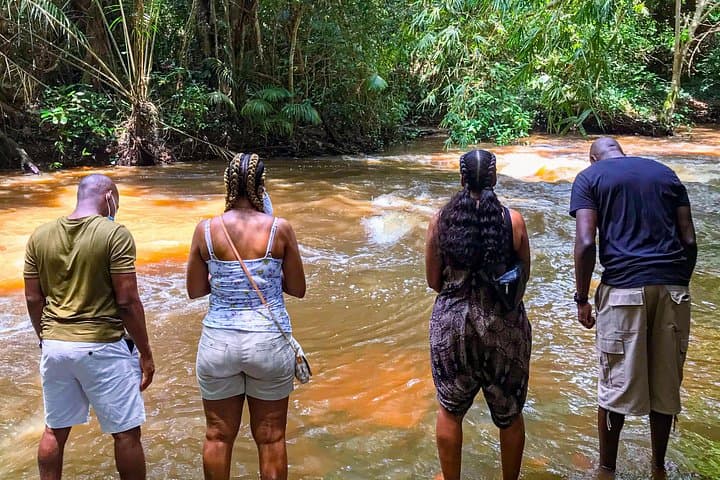
The salt air off the Gulf of Guinea presses against your face as the bus eases along the coastline, and the land seems to hold its breath. You arrive at the riverbank at Assin Manso, where the Ndonkor Nsuo water runs slow and deliberate, daring you to step into a ritual that marks both loss and return. Down the stone path, local historians move through stories with steadiness; their voices are the day’s compass.
Verified experiences and guided adventures in the surrounding area.
Operated by Nii Ghana · Cape Coast, Central Region
The salt air off the Gulf of Guinea presses against your face as the bus eases along the coastline, and the land seems to hold its breath. You arrive at the riverbank at Assin Manso, where the Ndonkor Nsuo water runs slow and deliberate, daring you to step into a ritual that marks both loss and return. Down the stone path, local historians move through stories with steadiness; their voices are the day’s compass.
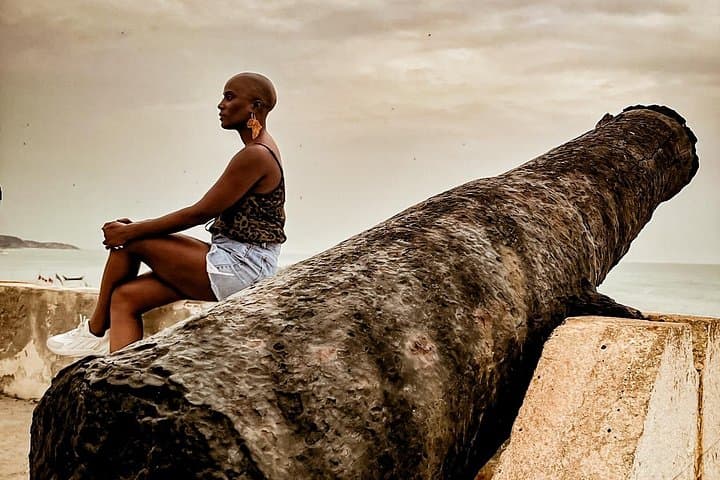
This is a Sankofa journey—routes carved by history. Elmina Castle, built by the Portuguese in 1482, and Cape Coast Castle later became central nodes in the transatlantic slave trade. The dungeons, the narrow corridors and the Door of No Return document a human geography of commerce and cruelty, and today those structures sit on basaltic coastal rock shaped by ancient sea action.
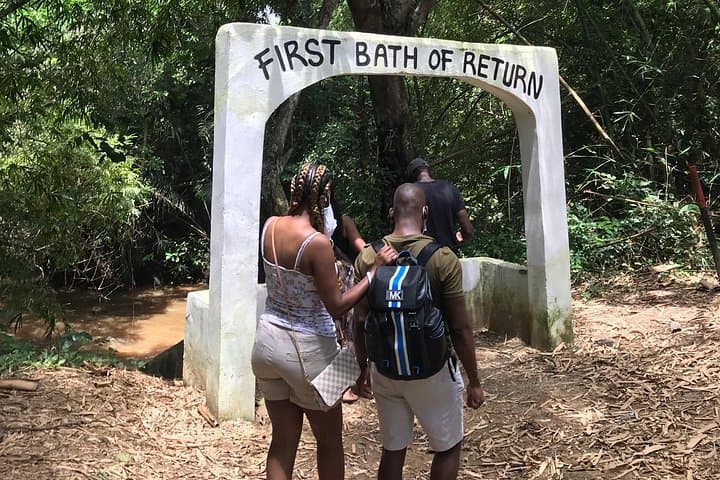
Culturally, the experience is guided: rites, symbolic first-bath ceremonies, and local storytelling link visitors to Ghanaian practices of remembrance. Practicalities matter here—expect long periods on foot, emotional intensity, and guided interpretation that prioritizes respect and reflection.
Plan for a full day (10–14 hours): wear breathable shoes for cobbled courtyards and river banks, bring sun protection and a waterproof layer for unexpected tropical showers. Hydrate frequently; bottled water is usually supplied. Photography is allowed in many areas but follow guide directions in sensitive spaces.
This tour is not casual sightseeing — it asks for attention. Move deliberately, listen to context, and leave with an understanding that this coast keeps its history close to the shoreline, ready to teach anyone who will pause and learn.
easy.
10–14 hours.
Light walking ability required; mostly short walks with some uneven surfaces and steps
No; the ceremonial First Bath is offered as a symbolic ritual—participants choose whether to take part, and guides explain its meaning beforehand.
Yes; the tour typically includes castle admissions and a local lunch as noted in the itinerary details.
The tour involves steps, uneven surfaces, and emotionally intense sites; minor children should be supervised and mobility limitations may restrict access to some areas—ask the operator about alternatives.
Photography rules vary: many exterior and public rooms allow photos, but respect guides’ instructions in memorial spaces and during private rites.
Elmina Castle (1482) and Cape Coast Castle were central nodes in the transatlantic slave trade; today they serve as sites of memory and education led by Ghanaian stewards.
Local museums and NGOs work to preserve the structures and promote respectful tourism—avoid leaving litter and follow guide directions to limit wear on historic surfaces.
Nii Ghana operates guided outdoor trips and adventures with an emphasis on safety, stewardship, and memorable experiences.
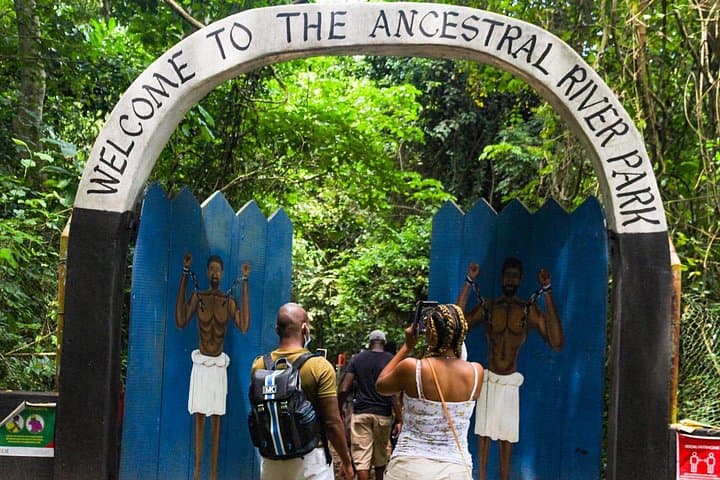
The salt air off the Gulf of Guinea presses against your face as the bus eases along the coastline, and the land seems to hold its breath. You arrive at the riverbank at Assin Manso, where the Ndonkor Nsuo water runs slow and deliberate, daring you to step into a ritual that marks both loss and return. Down the stone path, local historians move through stories with steadiness; their voices are the day’s compass.
The salt air off the Gulf of Guinea presses against your face as the bus eases along the coastline, and the land seems to hold its breath. You arrive at the riverbank at Assin Manso, where the Ndonkor Nsuo water runs slow and deliberate, daring you to step into a ritual that marks both loss and return. Down the stone path, local historians move through stories with steadiness; their voices are the day’s compass.
This is a Sankofa journey—routes carved by history. Elmina Castle, built by the Portuguese in 1482, and Cape Coast Castle later became central nodes in the transatlantic slave trade. The dungeons, the narrow corridors and the Door of No Return document a human geography of commerce and cruelty, and today those structures sit on basaltic coastal rock shaped by ancient sea action.
Culturally, the experience is guided: rites, symbolic first-bath ceremonies, and local storytelling link visitors to Ghanaian practices of remembrance. Practicalities matter here—expect long periods on foot, emotional intensity, and guided interpretation that prioritizes respect and reflection.
Plan for a full day (10–14 hours): wear breathable shoes for cobbled courtyards and river banks, bring sun protection and a waterproof layer for unexpected tropical showers. Hydrate frequently; bottled water is usually supplied. Photography is allowed in many areas but follow guide directions in sensitive spaces.
This tour is not casual sightseeing — it asks for attention. Move deliberately, listen to context, and leave with an understanding that this coast keeps its history close to the shoreline, ready to teach anyone who will pause and learn.