THE ADVENTURE COLLECTIVE® · Independent discovery and booking for outdoor travel

Leave Durban early for a day that climbs into the Drakensberg and crosses into Lesotho via the dramatic Sani Pass. Expect a rugged 4x4 ascent, panoramic summits, a Basotho village visit and a stop at Africa’s highest pub.
Leave Durban early for a day that climbs into the Drakensberg and crosses into Lesotho via the dramatic Sani Pass. Expect a rugged 4x4 ascent, panoramic summits, a Basotho village visit and a stop at Africa’s highest pub.
You leave Durban before dawn, the city shrinking behind you as farmland and rolling Midlands give way to the steeper, rougher silhouette of the Drakensberg. The road narrows, the 4x4 climbs, and the world opens into steel-blue ridges and high-altitude grasslands. Wind pushes at the vehicle like a daring companion; each hairpin reveals another slab of rock, another valley dropping away.
Verified experiences and guided adventures in the surrounding area.
Operated by African Cape Safaris · Underberg, KwaZulu-Natal
You leave Durban before dawn, the city shrinking behind you as farmland and rolling Midlands give way to the steeper, rougher silhouette of the Drakensberg. The road narrows, the 4x4 climbs, and the world opens into steel-blue ridges and high-altitude grasslands. Wind pushes at the vehicle like a daring companion; each hairpin reveals another slab of rock, another valley dropping away.
Geology here is stark: ancient basalt flows carved into escarpments that mark the edge of southern Africa’s central plateau. The pass itself—an engineering and driving challenge—has long been the link between KwaZulu‑Natal and the land-locked kingdom of Lesotho. Culturally, the journey blends Zulu and Basotho influences; at the top you can step into what’s billed as Africa’s highest pub and buy a handwoven blanket from Basotho artisans.
Expect a full day: long road time from Durban through Pietermaritzburg and the Midlands, a transfer to a 4x4 near Underberg, and a careful ascent across rocky, steep terrain. There are short stops for photos, a village visit in Lesotho, and time at the summit to take in panoramic views. Practical notes: the pass is rough and weather-dependent, so dress in layers, bring sun protection and water, and carry photo ID (border checks may apply). Mobility-friendly sections exist, but rocky surfaces mean sturdy footwear is recommended. If you go, give the landscape space—these high-altitude grasslands are fragile, and the best souvenirs are photos and respectful memories.
moderate.
12 hours.
Light-to-moderate fitness; mostly sitting in vehicles with short walks on uneven terrain and at altitude
Bring a valid passport or government ID; many operators require ID for border procedures and you should check visa rules for your nationality before travel.
The route is accessible to many ages, but the road is steep and bumpy; consider motion-sensitivity, mobility limits, and weather before booking.
Yes—Sani Pass can be closed in heavy rain or snow; operators will reschedule or refund according to their cancellation policy.
Facilities are limited; there are basic services at the summit and in nearby villages, so bring snacks and plan for simple meals on site.
Sani Pass has long linked KwaZulu‑Natal with the mountainous kingdom of Lesotho; historically used by local traders, it became a vehicle route in the 20th century and remains a symbolic cross-border link.
The alpine grasslands are ecologically sensitive—stay on tracks, pack out litter, and support local communities that use sustainable practices.
African Cape Safaris operates guided outdoor trips and adventures with an emphasis on safety, stewardship, and memorable experiences.


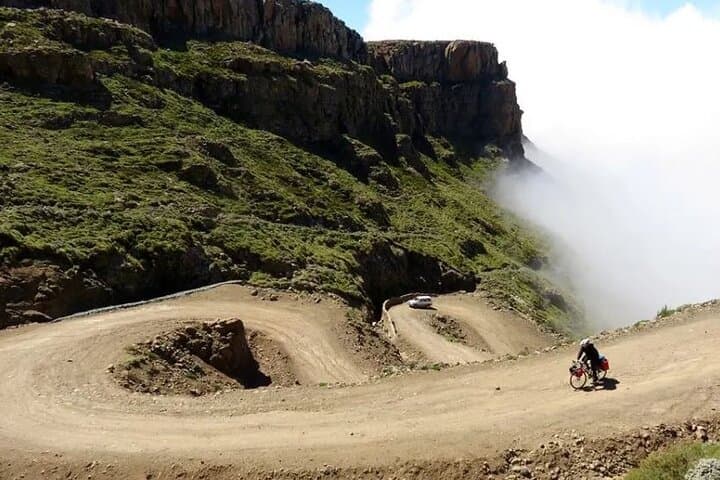
You leave Durban before dawn, the city shrinking behind you as farmland and rolling Midlands give way to the steeper, rougher silhouette of the Drakensberg. The road narrows, the 4x4 climbs, and the world opens into steel-blue ridges and high-altitude grasslands. Wind pushes at the vehicle like a daring companion; each hairpin reveals another slab of rock, another valley dropping away.
You leave Durban before dawn, the city shrinking behind you as farmland and rolling Midlands give way to the steeper, rougher silhouette of the Drakensberg. The road narrows, the 4x4 climbs, and the world opens into steel-blue ridges and high-altitude grasslands. Wind pushes at the vehicle like a daring companion; each hairpin reveals another slab of rock, another valley dropping away.
Geology here is stark: ancient basalt flows carved into escarpments that mark the edge of southern Africa’s central plateau. The pass itself—an engineering and driving challenge—has long been the link between KwaZulu‑Natal and the land-locked kingdom of Lesotho. Culturally, the journey blends Zulu and Basotho influences; at the top you can step into what’s billed as Africa’s highest pub and buy a handwoven blanket from Basotho artisans.
Expect a full day: long road time from Durban through Pietermaritzburg and the Midlands, a transfer to a 4x4 near Underberg, and a careful ascent across rocky, steep terrain. There are short stops for photos, a village visit in Lesotho, and time at the summit to take in panoramic views. Practical notes: the pass is rough and weather-dependent, so dress in layers, bring sun protection and water, and carry photo ID (border checks may apply). Mobility-friendly sections exist, but rocky surfaces mean sturdy footwear is recommended. If you go, give the landscape space—these high-altitude grasslands are fragile, and the best souvenirs are photos and respectful memories.