THE ADVENTURE COLLECTIVE® · Independent discovery and booking for outdoor travel

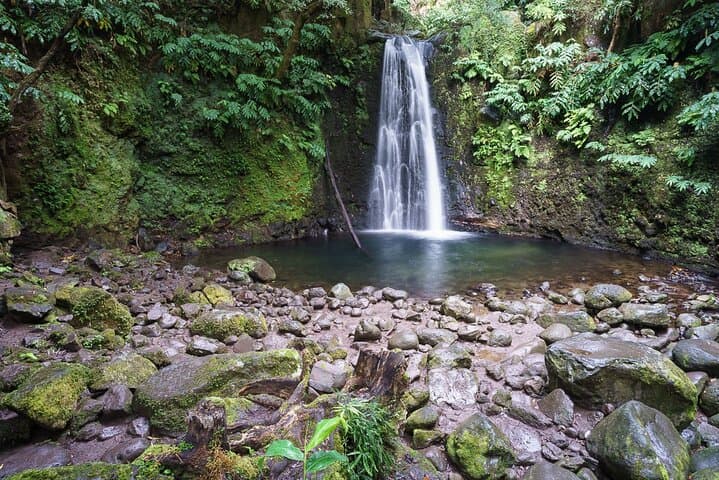
Follow a stream through mixed forest to Salto do Prego waterfall, explore the restored ruins of Sanguinho, and learn how volcanic forces shaped São Miguel. This easy–medium 5 km walk pairs quiet natural beauty with local history.
Follow a stream through mixed forest to Salto do Prego waterfall, explore the restored ruins of Sanguinho, and learn how volcanic forces shaped São Miguel. This easy–medium 5 km walk pairs quiet natural beauty with local history.
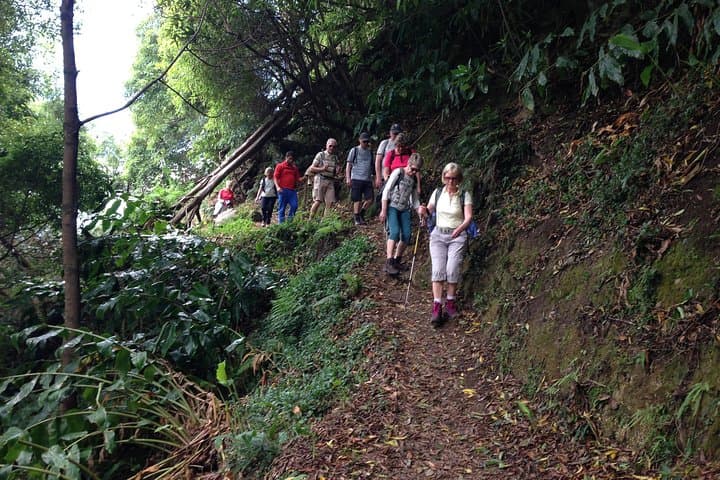
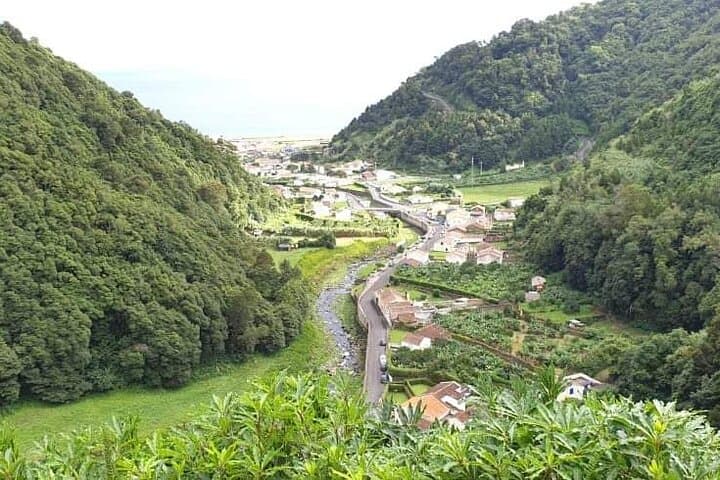
You step off a narrow lane in Faial da Terra and the world tightens to the sound of water and birds—stream water daring you to follow it, a green corridor that pushes you uphill toward hidden falls. The Sanguinho walk threads through a forest mottled with Australian cheesewood and native understory, following a stream past a restored watermill and small fruit terraces until Salto do Prego reveals itself in a spray of cool air.
Verified experiences and guided adventures in the surrounding area.
Operated by Azores Trails of Nature · Faial da Terra, Azores
You step off a narrow lane in Faial da Terra and the world tightens to the sound of water and birds—stream water daring you to follow it, a green corridor that pushes you uphill toward hidden falls. The Sanguinho walk threads through a forest mottled with Australian cheesewood and native understory, following a stream past a restored watermill and small fruit terraces until Salto do Prego reveals itself in a spray of cool air.
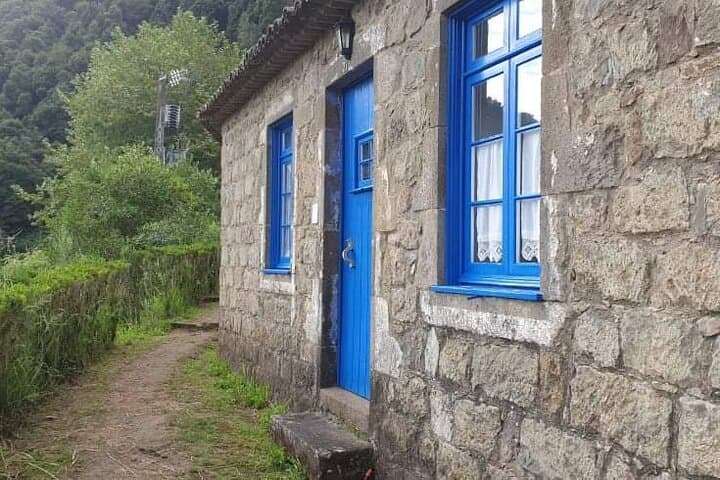
The route crosses through the abandoned parish of Sanguinho, recently restored, where stone houses and small farm plots tell of emigration and changing Azorean lifeways. Geologically, this corner of São Miguel is volcanic—deep soils and fissures feed springs and, a short drive away, the steaming calderas and fumaroles of Furnas remind you the island is still shaping itself.
Culturally the walk sits in Povoação municipality, one of the island’s earliest settlements; local guides often point out endemic plants such as Rhamnus (Azorean buckthorn) and explain traditional watermill use. Expect a roughly 5 km route rated easy–medium, with forest trails, occasional rocky steps, and a few short climbs.
Practical guidance: wear grippy hiking shoes, bring a waterproof layer and at least 1–2 liters of water, and time the walk for morning or late afternoon to avoid midday rain squalls. The tour may include pickup from Ponta Delgada and a short visit to Furnas’ thermal features—confirm pickup details and note the activity is not recommended for those with serious heart or back issues. Move steadily, respect fragile endemic plants, and leave the village as you found it.
moderate.
4–6 hours.
Light to moderate fitness; able to walk uneven trails and short climbs over 5 km
The trail is about 5 km and rated easy–medium; expect uneven forest paths and a few short climbs—overall suitable for most walkers in reasonable health.
Pickup and drop-off can be provided, typically from Ponta Delgada for guests who book that service—confirm your pickup point when booking.
The itinerary may include a short visit to Furnas’ calderas and fumaroles, but the schedule can be adjusted by the guide based on weather and conditions.
Children are allowed but must be accompanied by an adult; the walk is family-friendly with supervision recommended on steeper sections.
Povoação is among São Miguel’s oldest settlements; Sanguinho was largely abandoned in the 20th century and some houses have been recently restored to preserve local heritage.
Stay on established paths to protect fragile endemic plants; avoid swimming at delicate waterfall pools to reduce erosion and disturbance.
Azores Trails of Nature operates guided outdoor trips and adventures with an emphasis on safety, stewardship, and memorable experiences.
You step off a narrow lane in Faial da Terra and the world tightens to the sound of water and birds—stream water daring you to follow it, a green corridor that pushes you uphill toward hidden falls. The Sanguinho walk threads through a forest mottled with Australian cheesewood and native understory, following a stream past a restored watermill and small fruit terraces until Salto do Prego reveals itself in a spray of cool air.
You step off a narrow lane in Faial da Terra and the world tightens to the sound of water and birds—stream water daring you to follow it, a green corridor that pushes you uphill toward hidden falls. The Sanguinho walk threads through a forest mottled with Australian cheesewood and native understory, following a stream past a restored watermill and small fruit terraces until Salto do Prego reveals itself in a spray of cool air.
The route crosses through the abandoned parish of Sanguinho, recently restored, where stone houses and small farm plots tell of emigration and changing Azorean lifeways. Geologically, this corner of São Miguel is volcanic—deep soils and fissures feed springs and, a short drive away, the steaming calderas and fumaroles of Furnas remind you the island is still shaping itself.
Culturally the walk sits in Povoação municipality, one of the island’s earliest settlements; local guides often point out endemic plants such as Rhamnus (Azorean buckthorn) and explain traditional watermill use. Expect a roughly 5 km route rated easy–medium, with forest trails, occasional rocky steps, and a few short climbs.
Practical guidance: wear grippy hiking shoes, bring a waterproof layer and at least 1–2 liters of water, and time the walk for morning or late afternoon to avoid midday rain squalls. The tour may include pickup from Ponta Delgada and a short visit to Furnas’ thermal features—confirm pickup details and note the activity is not recommended for those with serious heart or back issues. Move steadily, respect fragile endemic plants, and leave the village as you found it.