THE ADVENTURE COLLECTIVE® · Independent discovery and booking for outdoor travel

Paddle through shallow winter backwaters of the Tennessee River as thousands of sandhill cranes gather and call. This guided, three-hour kayak tour from Chattanooga offers close-up wildlife viewing, on-water storytelling, and guided safety for all experience levels.
Paddle through shallow winter backwaters of the Tennessee River as thousands of sandhill cranes gather and call. This guided, three-hour kayak tour from Chattanooga offers close-up wildlife viewing, on-water storytelling, and guided safety for all experience levels.
The first calls arrive before the cranes appear — low, reedy trumpets that roll over the river and pull every head up from the kayak. Paddlers move slowly through shallow, warm backwaters off the Tennessee River, blades whispering as thousands of sandhill cranes wheel and clatter along exposed mudflats and marshy edges.
Verified experiences and guided adventures in the surrounding area.
Operated by Chattanooga Guided Adventures · Chattanooga, Tennessee
The first calls arrive before the cranes appear — low, reedy trumpets that roll over the river and pull every head up from the kayak. Paddlers move slowly through shallow, warm backwaters off the Tennessee River, blades whispering as thousands of sandhill cranes wheel and clatter along exposed mudflats and marshy edges.
This winter migration draws birds from Alaska and northern Canada into milder southern waters; locally, the river’s shallow arms and slow currents provide food and roosting habitat. Geologically the valley is a working shelf of limestone and shale with braided channels and sandbars that shift with seasonal flow. Cultural context sits close by: the tour meets at the Cherokee Removal Memorial Office, a sober reminder of the Trail of Tears and the layered human history along this river.
Practical guidance is straightforward. Tours run Thursday–Sunday from November to mid‑February and last about three hours, with small groups and guided route-finding through paddling lanes hidden by reed beds. Guides supply single or tandem kayaks, paddles, waterproof jackets, poagies, and binoculars; participants should bring sturdy shoes that get wet, warm layers, and a camera with a lens you can steady from a kayak.
Expect quiet stretches where cranes feed within arm’s reach and louder moments when flocks take off, filling the sky. Respect distance, keep voices low, and follow the guide’s towing and safety instructions. For photographers and birders this is as close to a river safari as Tennessee offers—intimate, seasonal, and governed by weather and the birds’ schedule.
easy.
3 hours.
Suitable for beginners and paddlers in basic aerobic shape; ability to sit and paddle for three hours is required.
No — guides provide instruction and the tour is rated easy; all fitness levels can participate though basic comfort sitting and paddling for three hours helps.
Counts vary, but the Tennessee River wintering area can host thousands of sandhill cranes; guides aim to position you for close viewing without disturbing the birds.
Tours can be canceled for high winds or unsafe conditions; the operator’s policy allows full refunds for cancellations at least 24 hours before departure and may cancel same-day if necessary.
Meet at the Cherokee Removal Memorial Office in Chattanooga; bring a government ID, layered clothing, binoculars, and any medication — guides provide kayaks, paddles, poagies, and waterproof jackets.
The meeting point near the Cherokee Removal Memorial anchors the river corridor to the Trail of Tears and the long human history of displacement and settlement along the Tennessee River.
Keep distance from birds, avoid feeding or chasing wildlife, and stay in designated boats to minimize disturbance; large wintering flocks are sensitive to repeated harassment.
Chattanooga Guided Adventures operates guided outdoor trips and adventures with an emphasis on safety, stewardship, and memorable experiences.
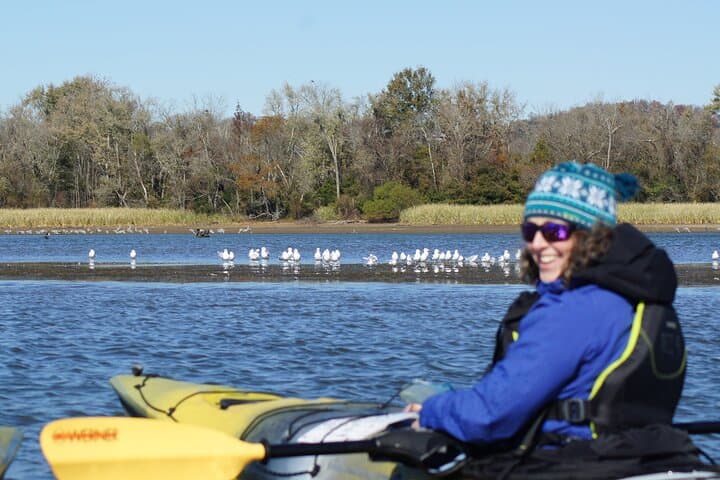
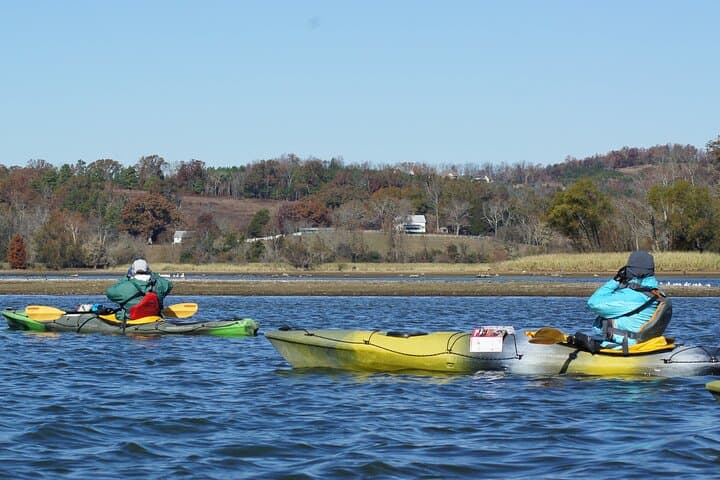
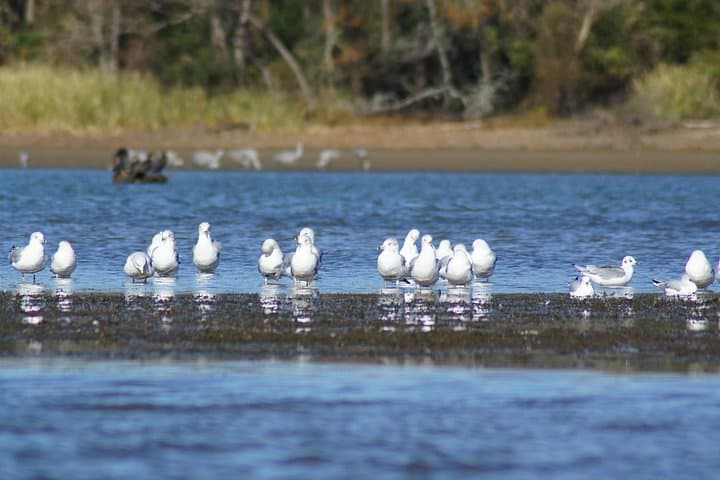
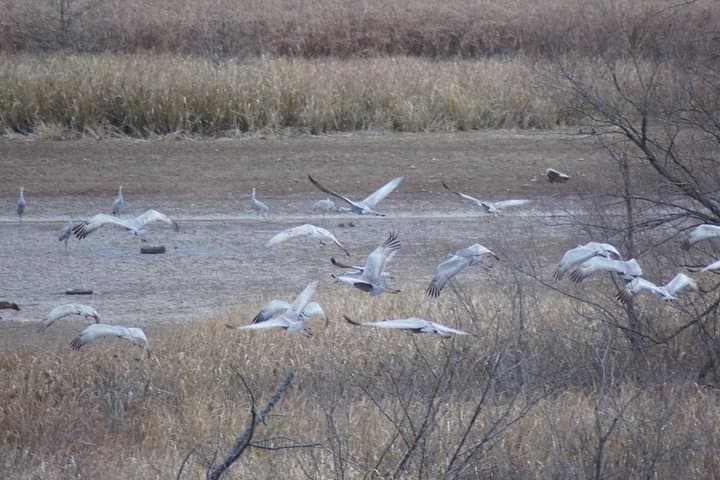
The first calls arrive before the cranes appear — low, reedy trumpets that roll over the river and pull every head up from the kayak. Paddlers move slowly through shallow, warm backwaters off the Tennessee River, blades whispering as thousands of sandhill cranes wheel and clatter along exposed mudflats and marshy edges.
The first calls arrive before the cranes appear — low, reedy trumpets that roll over the river and pull every head up from the kayak. Paddlers move slowly through shallow, warm backwaters off the Tennessee River, blades whispering as thousands of sandhill cranes wheel and clatter along exposed mudflats and marshy edges.
This winter migration draws birds from Alaska and northern Canada into milder southern waters; locally, the river’s shallow arms and slow currents provide food and roosting habitat. Geologically the valley is a working shelf of limestone and shale with braided channels and sandbars that shift with seasonal flow. Cultural context sits close by: the tour meets at the Cherokee Removal Memorial Office, a sober reminder of the Trail of Tears and the layered human history along this river.
Practical guidance is straightforward. Tours run Thursday–Sunday from November to mid‑February and last about three hours, with small groups and guided route-finding through paddling lanes hidden by reed beds. Guides supply single or tandem kayaks, paddles, waterproof jackets, poagies, and binoculars; participants should bring sturdy shoes that get wet, warm layers, and a camera with a lens you can steady from a kayak.
Expect quiet stretches where cranes feed within arm’s reach and louder moments when flocks take off, filling the sky. Respect distance, keep voices low, and follow the guide’s towing and safety instructions. For photographers and birders this is as close to a river safari as Tennessee offers—intimate, seasonal, and governed by weather and the birds’ schedule.