THE ADVENTURE COLLECTIVE® · Independent discovery and booking for outdoor travel

Walk the Singalila Ridge from Darjeeling to Phalut and stand above Kanchenjunga, Everest and Makalu. This multi-day trek combines high ridge scenery, rhododendron forests and camping under Himalayan skies.
Walk the Singalila Ridge from Darjeeling to Phalut and stand above Kanchenjunga, Everest and Makalu. This multi-day trek combines high ridge scenery, rhododendron forests and camping under Himalayan skies.
Dawn breaks over the Singalila Ridge and the air feels like a wake-up call — cold, clear, and full of expectation. You climb through dark stands of rhododendron until the forest opens and the Himalaya step forward: Kanchenjunga rising like a wall, Everest and Lhotse skirting the horizon. Campfires burn low in the villages; pack mules stamp in the dark as guides check routes.
Verified experiences and guided adventures in the surrounding area.
Operated by MOUNTAIN ADVENTURE TOURS AND TRAVELS · Darjeeling, West Bengal
Dawn breaks over the Singalila Ridge and the air feels like a wake-up call — cold, clear, and full of expectation. You climb through dark stands of rhododendron until the forest opens and the Himalaya step forward: Kanchenjunga rising like a wall, Everest and Lhotse skirting the horizon. Campfires burn low in the villages; pack mules stamp in the dark as guides check routes.
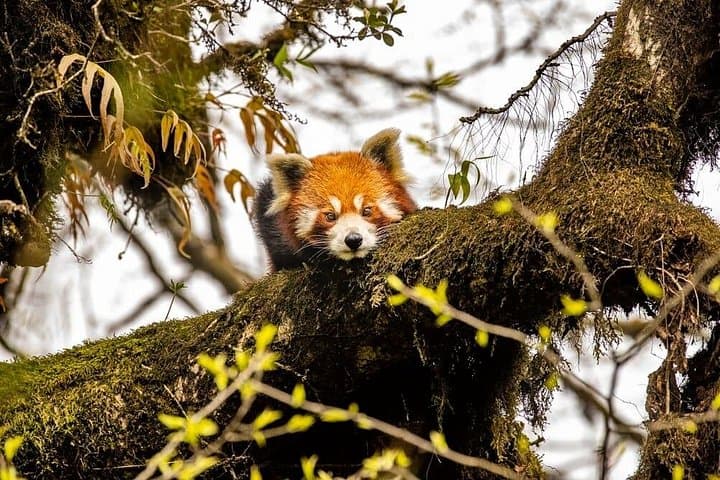
The Singalila spine marks the India–Nepal boundary and runs inside Singalila National Park, an area long-used by traders and pastoralists and now protected for its unique alpine flora and fauna. The ridge is geologically young Himalaya: folded, uplifted rock and loose scree give way to soils that host thick oak, fir and seasonal bursts of primula and rhododendron. Cultural notes thread through — Tibetan-style monasteries, Darjeeling’s tea gardens and small Sherpa and Lepcha settlements are part of the trek’s human landscape.
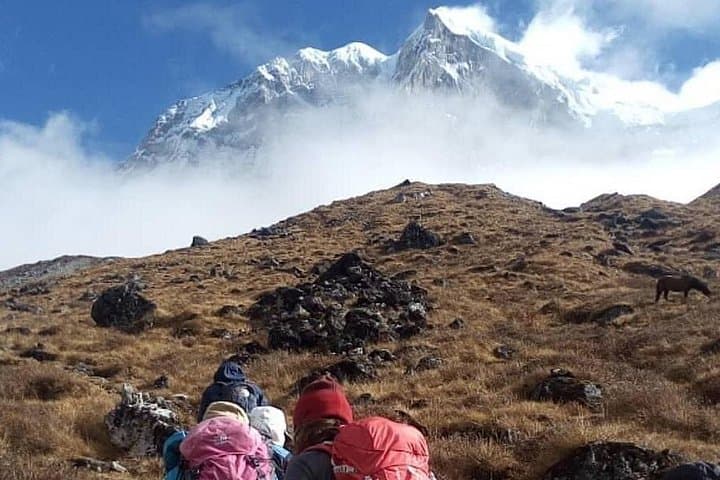
Expect steady days of walking: most stages are 4–6 hours on undulating ridge trails or rough jeep tracks; the highest point, Sandakphu, tops out at 11,929 ft (3,636 m). Weather can flip fast — sun to wind to rain — so plan layered clothing, good boots and gradual acclimatization. Nights on the trail are spent in basic camps or simple lodges; food is hearty local fare. Practicalities to note: carry identity documents and passport copies for border-area formalities, be prepared for long uphill pitches, bring water treatment and leave no trace. With proper prep, this trek delivers Himalayan big-views, colorful forests and a genuine overnight ridge experience.
challenging.
6–9 days.
Moderate to fit: you should be comfortable walking 4–7 hours a day with uphill sections and a loaded daypack
Yes — because parts of the route approach restricted border areas, guides usually ask for passport copies and some itineraries require prior clearance; carry ID and follow your operator’s instructions.
Autumn (Sept–Nov) and spring (Mar–May) offer the most stable weather and clear mountain views; monsoon months bring heavy rain and leeches, and winter can be very cold with snow on the ridge.
The climb includes steep sections and long ridge walks; expect several sustained ascents and daily elevations changes — a moderate level of fitness and trekking experience is recommended.
Sandakphu reaches about 3,636 m, so mild altitude effects are possible; pace yourself, hydrate, avoid alcohol and inform guides immediately of symptoms.
The Singalila Ridge has long linked hill communities and trans-Himalayan trade routes; the Darjeeling region later developed around tea estates and Tibetan-influenced settlements.
Much of the trek lies inside Singalila National Park — stick to trails, pack out waste and follow local rules on restricted items (some protected zones limit satellite/GPS devices).
MOUNTAIN ADVENTURE TOURS AND TRAVELS operates guided outdoor trips and adventures with an emphasis on safety, stewardship, and memorable experiences.
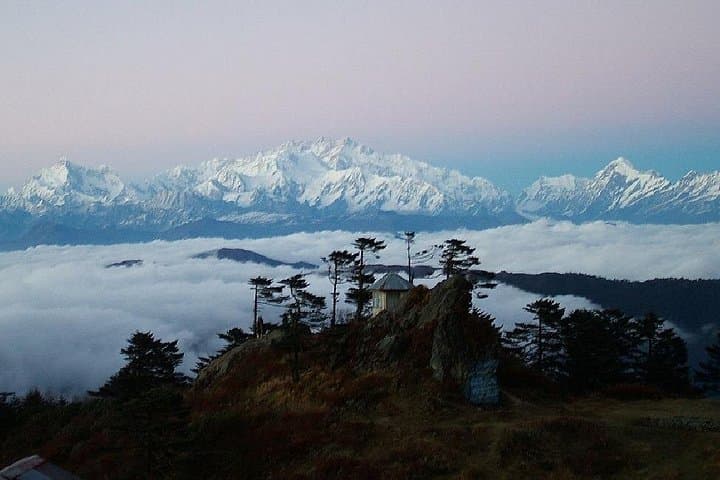
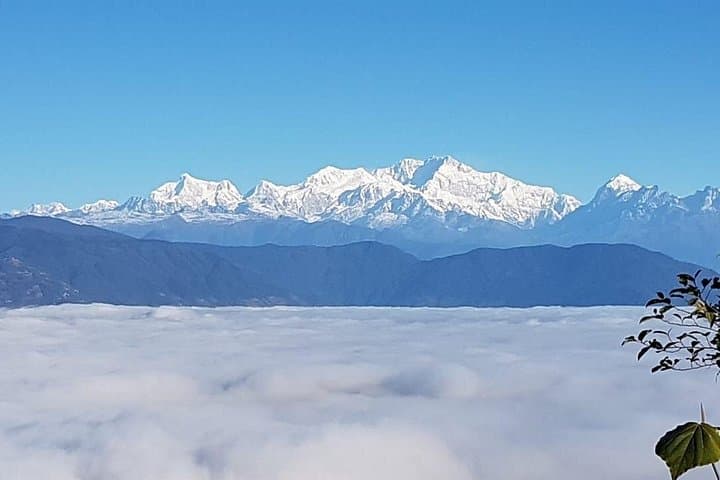
Dawn breaks over the Singalila Ridge and the air feels like a wake-up call — cold, clear, and full of expectation. You climb through dark stands of rhododendron until the forest opens and the Himalaya step forward: Kanchenjunga rising like a wall, Everest and Lhotse skirting the horizon. Campfires burn low in the villages; pack mules stamp in the dark as guides check routes.
Dawn breaks over the Singalila Ridge and the air feels like a wake-up call — cold, clear, and full of expectation. You climb through dark stands of rhododendron until the forest opens and the Himalaya step forward: Kanchenjunga rising like a wall, Everest and Lhotse skirting the horizon. Campfires burn low in the villages; pack mules stamp in the dark as guides check routes.
The Singalila spine marks the India–Nepal boundary and runs inside Singalila National Park, an area long-used by traders and pastoralists and now protected for its unique alpine flora and fauna. The ridge is geologically young Himalaya: folded, uplifted rock and loose scree give way to soils that host thick oak, fir and seasonal bursts of primula and rhododendron. Cultural notes thread through — Tibetan-style monasteries, Darjeeling’s tea gardens and small Sherpa and Lepcha settlements are part of the trek’s human landscape.
Expect steady days of walking: most stages are 4–6 hours on undulating ridge trails or rough jeep tracks; the highest point, Sandakphu, tops out at 11,929 ft (3,636 m). Weather can flip fast — sun to wind to rain — so plan layered clothing, good boots and gradual acclimatization. Nights on the trail are spent in basic camps or simple lodges; food is hearty local fare. Practicalities to note: carry identity documents and passport copies for border-area formalities, be prepared for long uphill pitches, bring water treatment and leave no trace. With proper prep, this trek delivers Himalayan big-views, colorful forests and a genuine overnight ridge experience.