THE ADVENTURE COLLECTIVE® · Independent discovery and booking for outdoor travel

Spend a single, well-paced day exploring Kabili-Sepilok’s rehabilitation centers, a proboscis monkey sanctuary and the Rainforest Discovery Centre. This shared tour pairs guaranteed access to feeding times with a local guide and round-trip transportation.
Spend a single, well-paced day exploring Kabili-Sepilok’s rehabilitation centers, a proboscis monkey sanctuary and the Rainforest Discovery Centre. This shared tour pairs guaranteed access to feeding times with a local guide and round-trip transportation.
Mist hangs low in the morning as the bus threads the palm-lined road toward Kabili-Sepilok Forest Reserve. You step onto soft earth and hear leaves part: the orangutans’ feeding call is a weathered trumpet that slices through the damp air. By midday, mangroves and river channels provide the stage for a parade of odd faces — the long-nosed proboscis monkeys staring like local eccentrics, hornbills gliding over swamp fringes, and the small, cinnamon-colored sun bears nosing at enrichment toys in a shaded enclosure.
Verified experiences and guided adventures in the surrounding area.
Operated by Milas Travel & Tours Sdn Bhd · Sandakan, Sabah
Mist hangs low in the morning as the bus threads the palm-lined road toward Kabili-Sepilok Forest Reserve. You step onto soft earth and hear leaves part: the orangutans’ feeding call is a weathered trumpet that slices through the damp air. By midday, mangroves and river channels provide the stage for a parade of odd faces — the long-nosed proboscis monkeys staring like local eccentrics, hornbills gliding over swamp fringes, and the small, cinnamon-colored sun bears nosing at enrichment toys in a shaded enclosure.
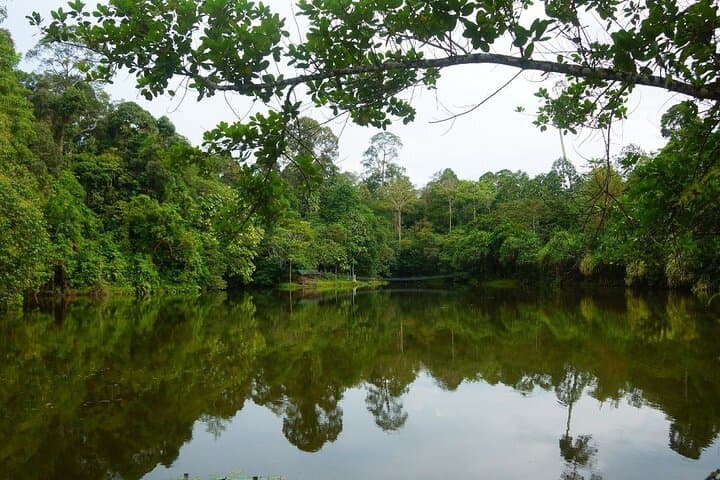
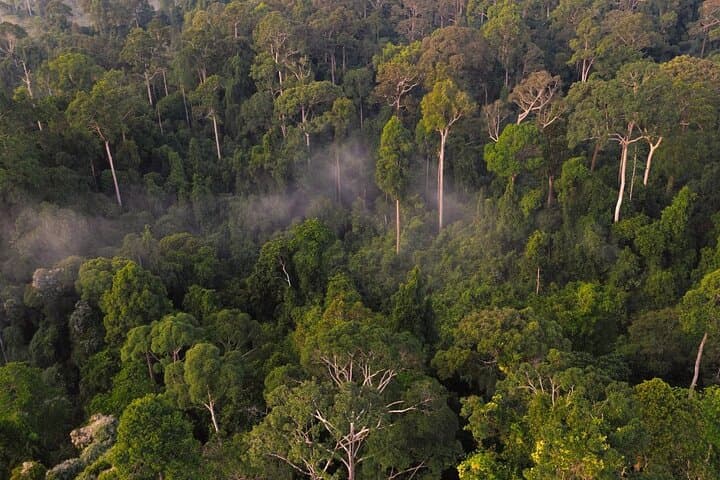
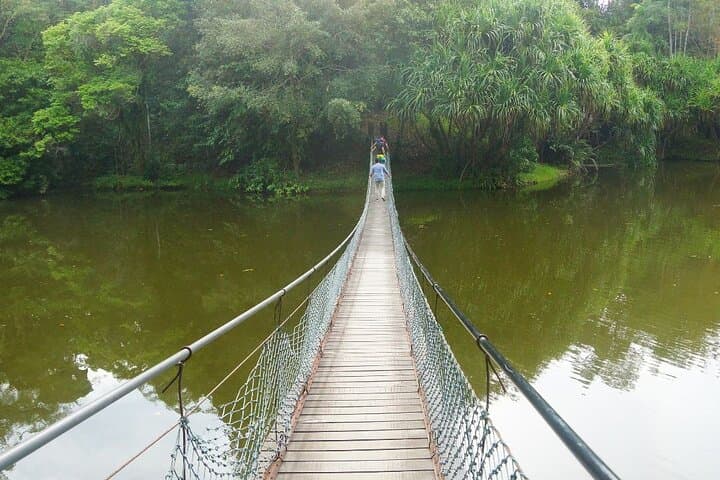
This full-day loop stitches together conservation history and accessible wildlife viewing. Sepilok began as a post-war rehabilitation site; its crowded boardwalks and interpretive center explain orangutan rescue and reintroduction. Nearby, the Rainforest Discovery Centre shows the lowland dipterocarp forest and offers a canopy walk that reveals the vertical layering of Borneo’s rainforest. Cultural context threads through the day: the region’s timber and plantation history shaped the surrounding landscape, prompting local conservation responses in the late 20th century.
Practical guidance matters here: expect uneven wooden walkways, brief stair sections, and open-air viewing platforms. Wear grippy shoes and a lightweight rain jacket — tropical showers are frequent. Bring insect repellent and a small pair of binoculars for distant riverbank sightings. Lunch is included, but carry water and a dry bag for electronics.
This itinerary is best for travelers who want reliable wildlife sightings without extended trekking. The pace is measured, the photography opportunities strong, and the education tight — a compact introduction to Sabah’s lowland rainforest and the creatures that still cling to it.
easy.
7–8 hours.
Suitable for most fitness levels; involves short walks on flat and slightly uneven paths and low stair sections.
The shared tour runs about 7–8 hours (approximately 450 minutes) and includes transfers, guide, and lunch.
Yes — park and attraction entrance fees at the listed sites are included as noted in the itinerary.
Yes, the tour is family-friendly; infants must sit on an adult’s lap, but note uneven paths and some stairs at sites.
Photography is allowed from designated viewing platforms; avoid flash around wildlife and follow guide instructions to minimize disturbance.
Sepilok was established in 1964 as a response to displaced and orphaned orangutans; it helped shape rehabilitation practices across Borneo.
These centers mix rescue, rehabilitation and public education; visitors support funding but should follow strict viewing rules to avoid stressing animals.
Milas Travel & Tours Sdn Bhd operates guided outdoor trips and adventures with an emphasis on safety, stewardship, and memorable experiences.
Mist hangs low in the morning as the bus threads the palm-lined road toward Kabili-Sepilok Forest Reserve. You step onto soft earth and hear leaves part: the orangutans’ feeding call is a weathered trumpet that slices through the damp air. By midday, mangroves and river channels provide the stage for a parade of odd faces — the long-nosed proboscis monkeys staring like local eccentrics, hornbills gliding over swamp fringes, and the small, cinnamon-colored sun bears nosing at enrichment toys in a shaded enclosure.
Mist hangs low in the morning as the bus threads the palm-lined road toward Kabili-Sepilok Forest Reserve. You step onto soft earth and hear leaves part: the orangutans’ feeding call is a weathered trumpet that slices through the damp air. By midday, mangroves and river channels provide the stage for a parade of odd faces — the long-nosed proboscis monkeys staring like local eccentrics, hornbills gliding over swamp fringes, and the small, cinnamon-colored sun bears nosing at enrichment toys in a shaded enclosure.
This full-day loop stitches together conservation history and accessible wildlife viewing. Sepilok began as a post-war rehabilitation site; its crowded boardwalks and interpretive center explain orangutan rescue and reintroduction. Nearby, the Rainforest Discovery Centre shows the lowland dipterocarp forest and offers a canopy walk that reveals the vertical layering of Borneo’s rainforest. Cultural context threads through the day: the region’s timber and plantation history shaped the surrounding landscape, prompting local conservation responses in the late 20th century.
Practical guidance matters here: expect uneven wooden walkways, brief stair sections, and open-air viewing platforms. Wear grippy shoes and a lightweight rain jacket — tropical showers are frequent. Bring insect repellent and a small pair of binoculars for distant riverbank sightings. Lunch is included, but carry water and a dry bag for electronics.
This itinerary is best for travelers who want reliable wildlife sightings without extended trekking. The pace is measured, the photography opportunities strong, and the education tight — a compact introduction to Sabah’s lowland rainforest and the creatures that still cling to it.