THE ADVENTURE COLLECTIVE® · Independent discovery and booking for outdoor travel

A half-day combo that pairs a wildlife-focused catamaran and snorkeling trip with an easy guided hike through Manuel Antonio National Park. Perfect for travelers wanting marine encounters and rainforest wildlife in one outing.
A half-day combo that pairs a wildlife-focused catamaran and snorkeling trip with an easy guided hike through Manuel Antonio National Park. Perfect for travelers wanting marine encounters and rainforest wildlife in one outing.
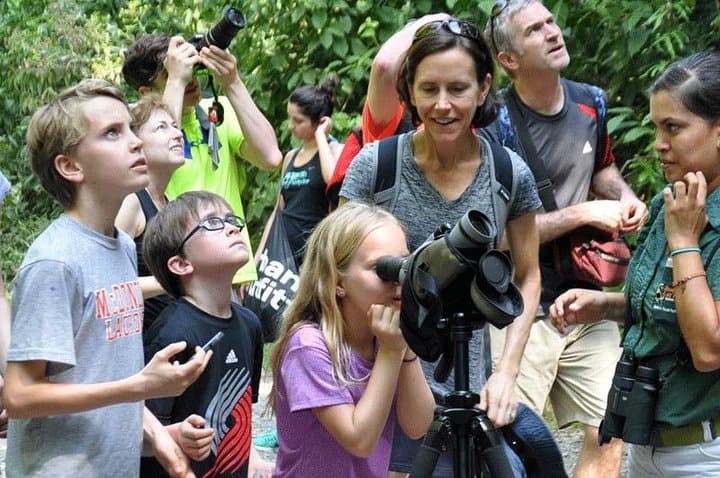
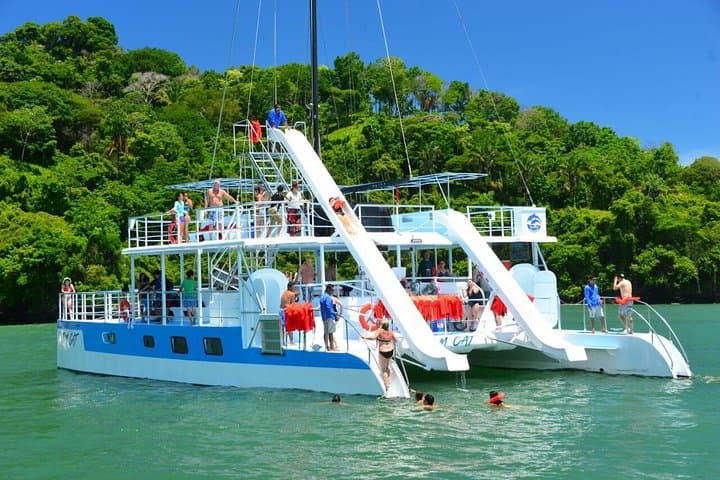
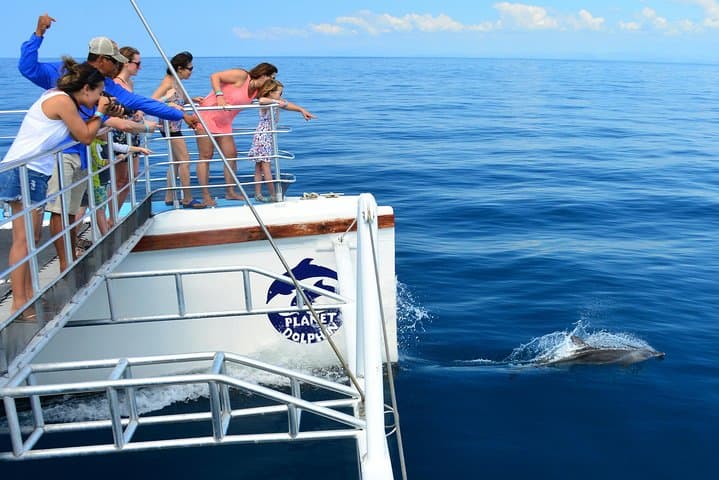
The catamaran slips from the marina and the Pacific takes on momentum—dolphins arc through the wake, islands edge past like pages in a field guide. Salt and grilled fish mingle in the air as the boat slows near a reef; swimmers drop into warm water to follow parrotfish and hawksbill shadows. Later, a short van ride delivers you to a shaded trailhead where the rainforest tightens, birds call like punctuation, and capuchin monkeys inspect hikers with casual curiosity.
Verified experiences and guided adventures in the surrounding area.
Operated by Planet Dolphin Catamaran Manuel Antonio · Manuel Antonio, Puntarenas
The catamaran slips from the marina and the Pacific takes on momentum—dolphins arc through the wake, islands edge past like pages in a field guide. Salt and grilled fish mingle in the air as the boat slows near a reef; swimmers drop into warm water to follow parrotfish and hawksbill shadows. Later, a short van ride delivers you to a shaded trailhead where the rainforest tightens, birds call like punctuation, and capuchin monkeys inspect hikers with casual curiosity.
Manuel Antonio National Park, created in 1972 on Costa Rica’s central Pacific coast, is small but geologically diverse: rocky headlands of volcanic origin meet narrow white-sand coves carved by tides and waves. The local culture blends Quepos fishing heritage with eco-tourism—guides often point out traditional uses for plants and the importance of marine and forest protection.
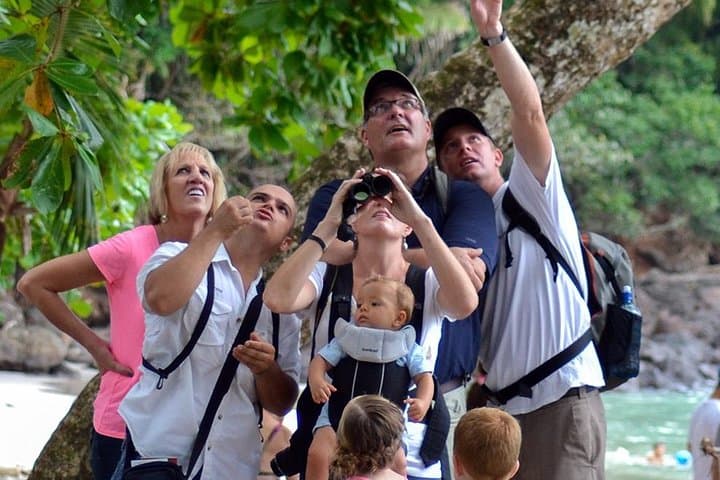
Expect an easy-to-moderate day: ocean time includes guided snorkeling and swim stops; land time is an interpretive hike along maintained trails with lookout points and beach breaks. Wildlife is patient—sloths cling to branches, iguanas sun on rocks, and raccoons probe the understory—so move quietly and keep a respectful distance.
Practical notes: bring reef-safe sunscreen, a dry bag, and a basic level of fitness for uphill trail sections and short stairways in the park. If visiting May–October, plan for afternoon rain; November–April is drier with calmer seas for snorkeling. Guides provide gear, lunch, and park fees, but limit personal waste and avoid feeding animals to protect the fragile ecosystems.
moderate.
4–7 hours.
Suitable for travelers with moderate fitness; able to swim short distances and walk up uneven trails.
Yes—children can join but must be accompanied by an adult; infant seats and stroller-accessible transport are available.
No—basic swimming ability is recommended; guides provide flotation and supervision during snorkel stops.
Yes—national park fees are included in the tour price and handled by the operator.
Vegetarian options are available but advise the operator of any dietary needs at booking to ensure accommodations.
Declared a national park in 1972, Manuel Antonio protects coastal rainforest and marine habitats near the fishing town of Quepos, reflecting Costa Rica’s early conservation push.
Stay on marked trails, use reef-safe sunscreen, and avoid feeding wildlife—these actions reduce erosion and disturbance to both forest and reef ecosystems.
Planet Dolphin Catamaran Manuel Antonio operates guided outdoor trips and adventures with an emphasis on safety, stewardship, and memorable experiences.
The catamaran slips from the marina and the Pacific takes on momentum—dolphins arc through the wake, islands edge past like pages in a field guide. Salt and grilled fish mingle in the air as the boat slows near a reef; swimmers drop into warm water to follow parrotfish and hawksbill shadows. Later, a short van ride delivers you to a shaded trailhead where the rainforest tightens, birds call like punctuation, and capuchin monkeys inspect hikers with casual curiosity.
The catamaran slips from the marina and the Pacific takes on momentum—dolphins arc through the wake, islands edge past like pages in a field guide. Salt and grilled fish mingle in the air as the boat slows near a reef; swimmers drop into warm water to follow parrotfish and hawksbill shadows. Later, a short van ride delivers you to a shaded trailhead where the rainforest tightens, birds call like punctuation, and capuchin monkeys inspect hikers with casual curiosity.
Manuel Antonio National Park, created in 1972 on Costa Rica’s central Pacific coast, is small but geologically diverse: rocky headlands of volcanic origin meet narrow white-sand coves carved by tides and waves. The local culture blends Quepos fishing heritage with eco-tourism—guides often point out traditional uses for plants and the importance of marine and forest protection.
Expect an easy-to-moderate day: ocean time includes guided snorkeling and swim stops; land time is an interpretive hike along maintained trails with lookout points and beach breaks. Wildlife is patient—sloths cling to branches, iguanas sun on rocks, and raccoons probe the understory—so move quietly and keep a respectful distance.
Practical notes: bring reef-safe sunscreen, a dry bag, and a basic level of fitness for uphill trail sections and short stairways in the park. If visiting May–October, plan for afternoon rain; November–April is drier with calmer seas for snorkeling. Guides provide gear, lunch, and park fees, but limit personal waste and avoid feeding animals to protect the fragile ecosystems.