THE ADVENTURE COLLECTIVE® · Independent discovery and booking for outdoor travel

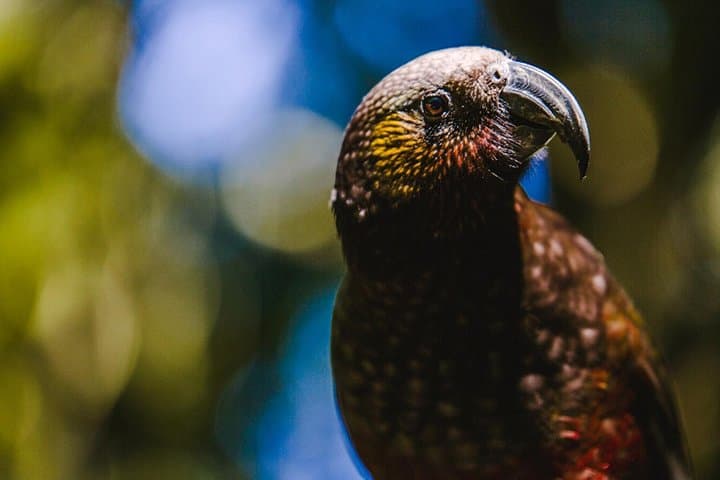
Spend a day traveling from Auckland into Waikato to tour Mt Maungatautari’s predator‑fenced sanctuary and the glowworm caverns of Waitomo. Expect guided walks, a picnic lunch, small‑group cave access, and close encounters with New Zealand’s native species.
Spend a day traveling from Auckland into Waikato to tour Mt Maungatautari’s predator‑fenced sanctuary and the glowworm caverns of Waitomo. Expect guided walks, a picnic lunch, small‑group cave access, and close encounters with New Zealand’s native species.
You leave Auckland before dawn, the city shrinking as rolling dairy country unspools beneath the Bombay Hills. By late morning the pest‑proof fence of Maungatautari rises out of green pasture—an island of quiet forest where tūī call and ancient ferns shade mossy paths.
Verified experiences and guided adventures in the surrounding area.
Operated by Zest Tours · Waitomo, Waikato
You leave Auckland before dawn, the city shrinking as rolling dairy country unspools beneath the Bombay Hills. By late morning the pest‑proof fence of Maungatautari rises out of green pasture—an island of quiet forest where tūī call and ancient ferns shade mossy paths.
The sanctuary is a modern conservation experiment: a 47‑kilometre predator fence that protects some of New Zealand’s rarest fauna and flora. Guided walks thread through regenerating podocarp and beech, past wetlands where native frogs and birds are being reintroduced, and up to a 16‑metre viewing tower with broad Waikato vistas. From there the tour drops deeper into the King Country, an area shaped by Māori history and the nineteenth‑century Kingitanga movement, and then into karst country at Waitomo.
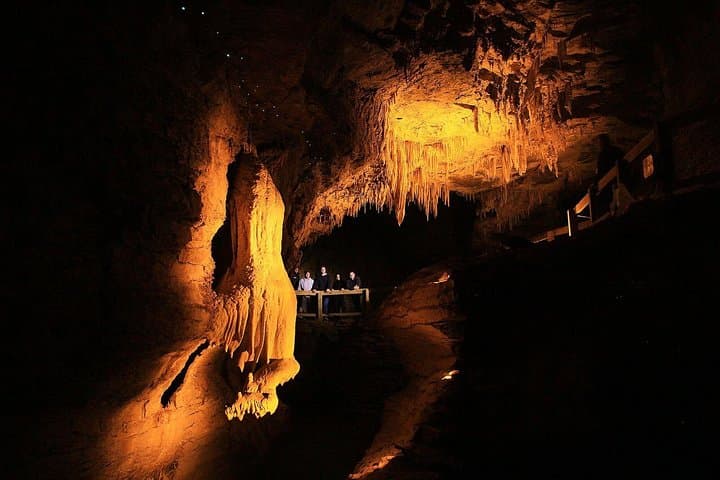
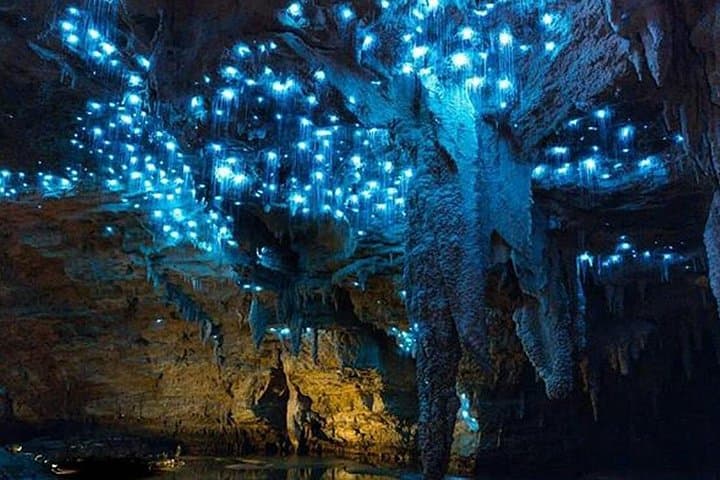
Waitomo’s limestone caves were carved over millennia; here glowworms cling to ceilings and turn the dark into a constellation. The Footwhistle guided tour keeps groups small so you can get close—bring a camera but avoid flash and bright screens to protect the Arachnocampa.
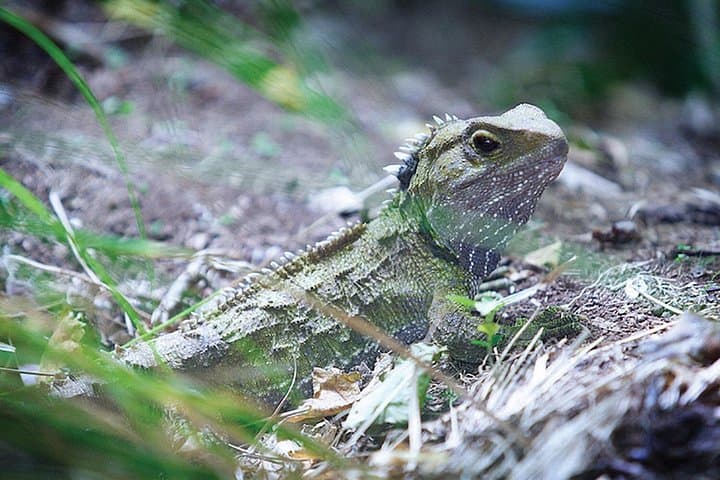
Practical rhythm: expect an 8–12 hour day with coach transfers, a picnic lunch at the sanctuary, and two guided experiences. Wear grippy shoes and a lightweight rain shell; cave floors can be wet and steps uneven. Hydrate for the walk to the tower, carry a small daypack, and plan for limited phone signal. Book ahead for small‑group cave tours and consider adding Otorohanga Kiwi House to see the kiwi and tuatara up close.
easy.
8–12 hours.
Suitable for most fitness levels; involves short walks, some stairs and standing during guided sections.
Typical tour duration is 8–12 hours; departures commonly leave Auckland early morning (around 7:00am) and return in the late afternoon.
Yes, but no flash or bright phone screens—use low‑light camera settings and follow your guide’s directions to avoid disturbing the glowworms.
The operator notes infant and stroller access for portions of the trip, but some paths and cave areas have stairs and uneven surfaces—children must be accompanied by adults.
Typical inclusions are coach transport from Auckland, bottled water, a picnic lunch at the sanctuary, a guided Sanctuary Mountain tour, and the Footwhistle guided cave tour at Waitomo.
The King Country retains cultural ties to the 19th‑century Kingitanga movement; Maungatautari’s predator‑fence is a recent conservation milestone for mainland ecological islands.
The sanctuary is protected by a 47 km pest‑proof fence—visitors are asked to follow biosecurity rules (clean footwear, no feeding wildlife) to protect reintroduced species.
Zest Tours operates guided outdoor trips and adventures with an emphasis on safety, stewardship, and memorable experiences.
You leave Auckland before dawn, the city shrinking as rolling dairy country unspools beneath the Bombay Hills. By late morning the pest‑proof fence of Maungatautari rises out of green pasture—an island of quiet forest where tūī call and ancient ferns shade mossy paths.
You leave Auckland before dawn, the city shrinking as rolling dairy country unspools beneath the Bombay Hills. By late morning the pest‑proof fence of Maungatautari rises out of green pasture—an island of quiet forest where tūī call and ancient ferns shade mossy paths.
The sanctuary is a modern conservation experiment: a 47‑kilometre predator fence that protects some of New Zealand’s rarest fauna and flora. Guided walks thread through regenerating podocarp and beech, past wetlands where native frogs and birds are being reintroduced, and up to a 16‑metre viewing tower with broad Waikato vistas. From there the tour drops deeper into the King Country, an area shaped by Māori history and the nineteenth‑century Kingitanga movement, and then into karst country at Waitomo.
Waitomo’s limestone caves were carved over millennia; here glowworms cling to ceilings and turn the dark into a constellation. The Footwhistle guided tour keeps groups small so you can get close—bring a camera but avoid flash and bright screens to protect the Arachnocampa.
Practical rhythm: expect an 8–12 hour day with coach transfers, a picnic lunch at the sanctuary, and two guided experiences. Wear grippy shoes and a lightweight rain shell; cave floors can be wet and steps uneven. Hydrate for the walk to the tower, carry a small daypack, and plan for limited phone signal. Book ahead for small‑group cave tours and consider adding Otorohanga Kiwi House to see the kiwi and tuatara up close.