THE ADVENTURE COLLECTIVE® · Independent discovery and booking for outdoor travel

This guided 2.5-hour walk through San Salvador combines the capital’s major landmarks with lesser-known corners and local stories. Perfect for travelers who want architecture, street art, and food tips delivered by a guide who knows the city’s rhythms.
This guided 2.5-hour walk through San Salvador combines the capital’s major landmarks with lesser-known corners and local stories. Perfect for travelers who want architecture, street art, and food tips delivered by a guide who knows the city’s rhythms.
Morning light falls across Plaza Morazán and the city exhales into motion: vendors arrange tamales, traffic hums a steady chorus, and a local guide lowers a voice to point out a mural that most visitors pass without seeing.
Verified experiences and guided adventures in the surrounding area.
Operated by Free Tour Expert · San Salvador, San Salvador
Morning light falls across Plaza Morazán and the city exhales into motion: vendors arrange tamales, traffic hums a steady chorus, and a local guide lowers a voice to point out a mural that most visitors pass without seeing.
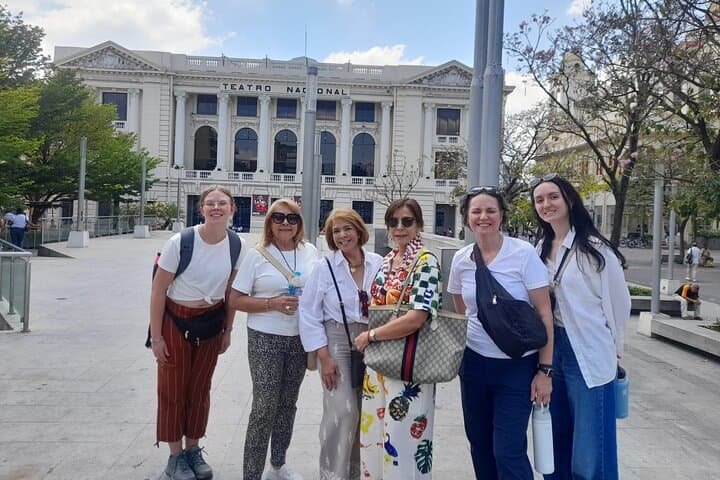
This 2.5-hour walking tour threads through San Salvador’s historic core—past the National Theater and the Catedral Metropolitana—tracing layers of the city’s story from colonial foundations to 20th-century civic growth. The National Palace and Iglesia El Rosario show two very different architectural eras: neoclassical civic pomp and bold modernist faith. Geologically, the valley floor is young volcanic alluvium framed by nearby volcanoes, and the occasional breeze brings a distant scent of coffee-growing hills.
Culture arrives in quick, human notes: a shopkeeper’s joke, a mural that references the civil war, the clink of cups in a corner café where locals argue football. Guides typically fold in neighborhood anecdotes and practical tips—where to find the best pupusa and which streets are pedestrian-friendliest at dusk.
Practical planning is straightforward. Expect flat, paved streets with short stair sections, roughly 2–3 miles of walking at an easy pace. Morning or late-afternoon departures dodge the hottest sun and busiest traffic. Carry water, wear sturdy walking shoes, and bring small bills for market snacks. Guides adapt the route to interests—history, street art, or food—so mention preferences when booking to get the most out of the city’s quieter secrets.
easy.
2–3 hours.
Suitable for most fitness levels; expect 2–3 miles (3–5 km) of mostly flat walking at a relaxed pace.
The tour lasts about 2.5 hours and covers roughly 2–3 miles (3–5 km) at a leisurely pace, with several stops for photos and cultural insights.
Yes—it's rated easy and suitable for most ages, though participants should be comfortable walking at a steady, relaxed pace and climbing a few short flights of stairs.
Most stops are exterior viewpoints; if you choose to enter museums or pay for refreshments, bring small cash as admissions are not included by default.
Yes—the guide adapts to interests like history, street art, or food; mention preferences when booking to tailor the itinerary.
San Salvador’s central plazas and institutions reflect Spanish colonial planning later overlaid by republican civic architecture; 20th-century events, including the civil war, shaped many public artworks and memorials.
Local guides often encourage responsible tourism—use marked trash bins, avoid single-use plastics, and support small businesses to keep economic benefits local.
Free Tour Expert operates guided outdoor trips and adventures with an emphasis on safety, stewardship, and memorable experiences.


Morning light falls across Plaza Morazán and the city exhales into motion: vendors arrange tamales, traffic hums a steady chorus, and a local guide lowers a voice to point out a mural that most visitors pass without seeing.
Morning light falls across Plaza Morazán and the city exhales into motion: vendors arrange tamales, traffic hums a steady chorus, and a local guide lowers a voice to point out a mural that most visitors pass without seeing.
This 2.5-hour walking tour threads through San Salvador’s historic core—past the National Theater and the Catedral Metropolitana—tracing layers of the city’s story from colonial foundations to 20th-century civic growth. The National Palace and Iglesia El Rosario show two very different architectural eras: neoclassical civic pomp and bold modernist faith. Geologically, the valley floor is young volcanic alluvium framed by nearby volcanoes, and the occasional breeze brings a distant scent of coffee-growing hills.
Culture arrives in quick, human notes: a shopkeeper’s joke, a mural that references the civil war, the clink of cups in a corner café where locals argue football. Guides typically fold in neighborhood anecdotes and practical tips—where to find the best pupusa and which streets are pedestrian-friendliest at dusk.
Practical planning is straightforward. Expect flat, paved streets with short stair sections, roughly 2–3 miles of walking at an easy pace. Morning or late-afternoon departures dodge the hottest sun and busiest traffic. Carry water, wear sturdy walking shoes, and bring small bills for market snacks. Guides adapt the route to interests—history, street art, or food—so mention preferences when booking to get the most out of the city’s quieter secrets.