THE ADVENTURE COLLECTIVE® · Independent discovery and booking for outdoor travel

A full-day canopy trip from Port Caldera to San Ramón that pairs suspended bridges with high-adrenaline ziplines through tropical forest. Perfect for cruise passengers wanting wildlife, views and a guided naturalist experience.
A full-day canopy trip from Port Caldera to San Ramón that pairs suspended bridges with high-adrenaline ziplines through tropical forest. Perfect for cruise passengers wanting wildlife, views and a guided naturalist experience.
You step off the tender into a humid breeze and feel the country change: the port’s salt air gives way to a green inland pull as the van climbs toward San Ramón. Within an hour the roadside opens onto tree-lines and a chorus of canopy birds that seem to dare you forward.
Verified experiences and guided adventures in the surrounding area.
Operated by Costa Rica Itinerary · San Ramón, Alajuela
You step off the tender into a humid breeze and feel the country change: the port’s salt air gives way to a green inland pull as the van climbs toward San Ramón. Within an hour the roadside opens onto tree-lines and a chorus of canopy birds that seem to dare you forward.
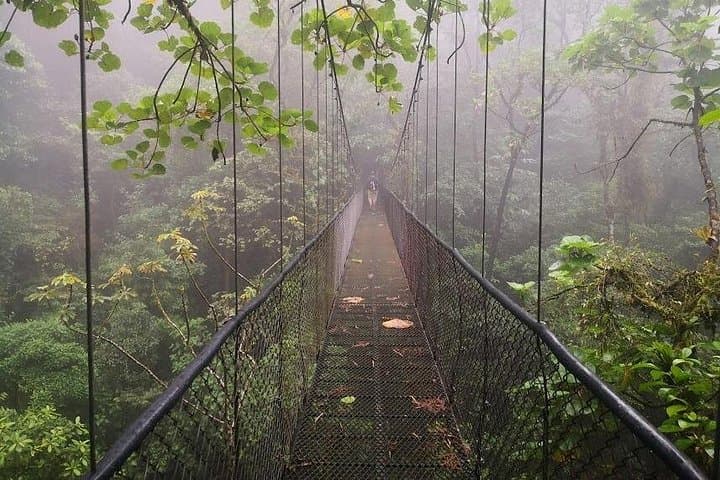
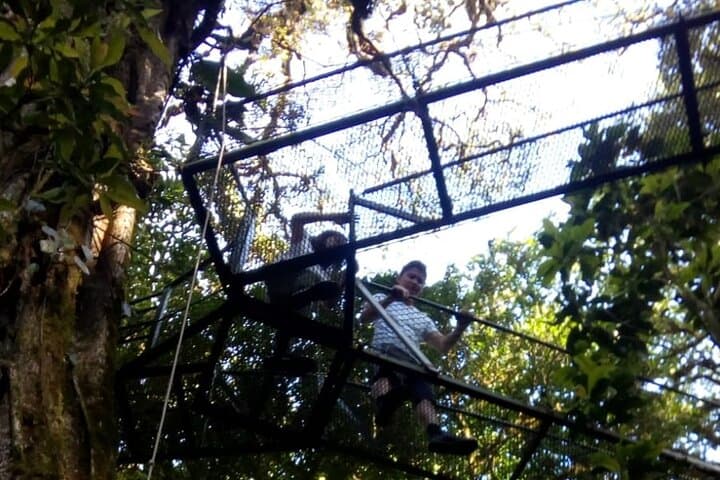
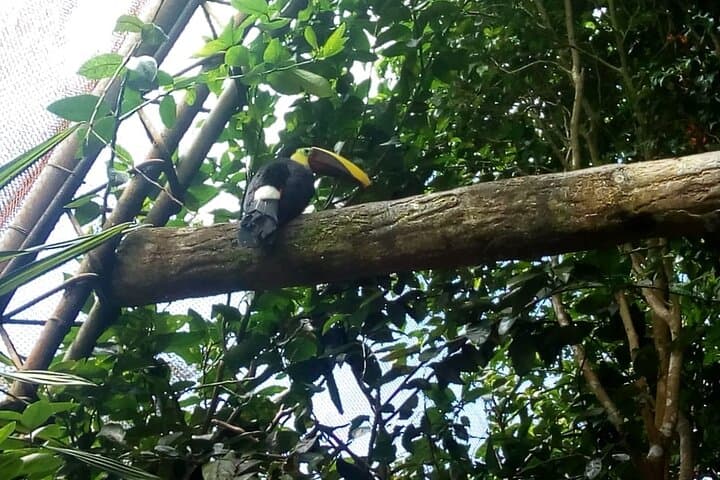
The route follows volcanic foothills carved by rivers and time; the forests here are part of Costa Rica’s montane transition zones where coffee farms give way to primary and secondary tropical forest. Hanging bridges thread the canopy so visitors can move between levels normally reserved for squirrels and toucans, while zip lines cut across ravines carved by the Cataraticas river — cables range from short, forested runs to long flights of up to 550 meters.
Local guides, often naturalists, point out epiphytes, howler monkeys and the slow drift of a sloth, while explaining the region’s coffee and cattle history that shaped these landscapes. The bridges provide observational access without the footprint of building more roads.
Practical side: expect uneven trails, several short ascents and descents, and platforms perched as high as 100 meters. Dress for heat and sudden rain, wear closed-toe shoes with grip, and carry a small daypack for water and sunscreen. Cruise passengers should plan pickup/drop-off windows carefully and bring ID for boarding.
This is a full-day, guided blend of wildlife viewing and adrenaline: immersive but accessible for most active travelers ready to trade a ship’s decks for the sky above the trees.
moderate.
8 hours.
Moderate fitness: able to hike uneven trails for up to an hour, tolerate stairs and heights.
Transfers are typically 60–90 minutes one-way depending on traffic and the exact meeting point at the port.
Minimum age for canopy is 5 years; travelers should have at least a moderate level of fitness to navigate trails and platforms.
Yes — guides provide helmets, harnesses and a safety briefing; you’ll be clipped in to a continuous belay system on ziplines.
Most operators allow securely strapped action cameras; phones should be tethered or stored if you’re uncomfortable mid-line.
The San Ramón area developed as agricultural land in the 19th century — coffee cultivation shaped many access roads and local settlements that now border protected forest patches.
Operators typically limit group sizes and use established platforms to reduce impact; stay on trails, carry out trash and avoid touching wildlife to help preserve the canopy ecosystem.
Costa Rica Itinerary operates guided outdoor trips and adventures with an emphasis on safety, stewardship, and memorable experiences.
You step off the tender into a humid breeze and feel the country change: the port’s salt air gives way to a green inland pull as the van climbs toward San Ramón. Within an hour the roadside opens onto tree-lines and a chorus of canopy birds that seem to dare you forward.
You step off the tender into a humid breeze and feel the country change: the port’s salt air gives way to a green inland pull as the van climbs toward San Ramón. Within an hour the roadside opens onto tree-lines and a chorus of canopy birds that seem to dare you forward.
The route follows volcanic foothills carved by rivers and time; the forests here are part of Costa Rica’s montane transition zones where coffee farms give way to primary and secondary tropical forest. Hanging bridges thread the canopy so visitors can move between levels normally reserved for squirrels and toucans, while zip lines cut across ravines carved by the Cataraticas river — cables range from short, forested runs to long flights of up to 550 meters.
Local guides, often naturalists, point out epiphytes, howler monkeys and the slow drift of a sloth, while explaining the region’s coffee and cattle history that shaped these landscapes. The bridges provide observational access without the footprint of building more roads.
Practical side: expect uneven trails, several short ascents and descents, and platforms perched as high as 100 meters. Dress for heat and sudden rain, wear closed-toe shoes with grip, and carry a small daypack for water and sunscreen. Cruise passengers should plan pickup/drop-off windows carefully and bring ID for boarding.
This is a full-day, guided blend of wildlife viewing and adrenaline: immersive but accessible for most active travelers ready to trade a ship’s decks for the sky above the trees.