
San Pedro's 4 Unmissable Desert Tours: Moon Valley, Baltinache Lagoons, Tatio Geysers & Night Sky
Three days of dramatic desert: cross Valle de la Luna at sunset, float in the saline Baltinache lagoons, watch geysers plume at dawn and finish under immaculate Atacama skies. Practical tips for altitude, bathing and timing keep this classic route accessible.
An Adventure In San Pedro de Atacama.
Three days of dramatic desert: cross Valle de la Luna at sunset, float in the saline Baltinache lagoons, watch geysers plume at dawn and finish under immaculate Atacama skies. Practical tips for altitude, bathing and timing keep this classic route accessible.
Read the full experience
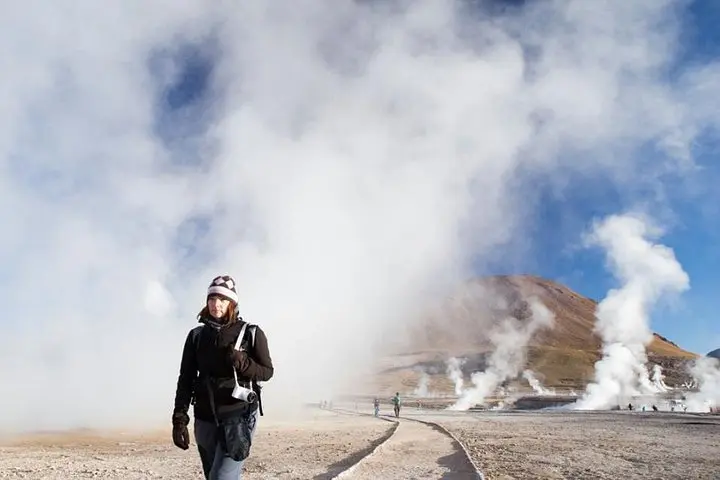
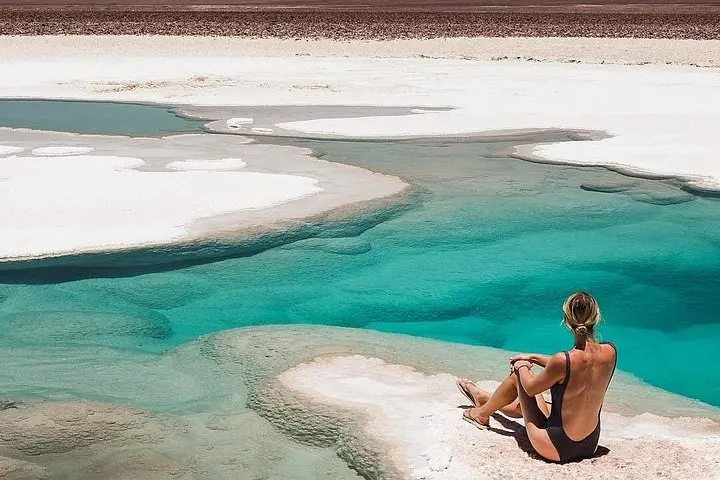
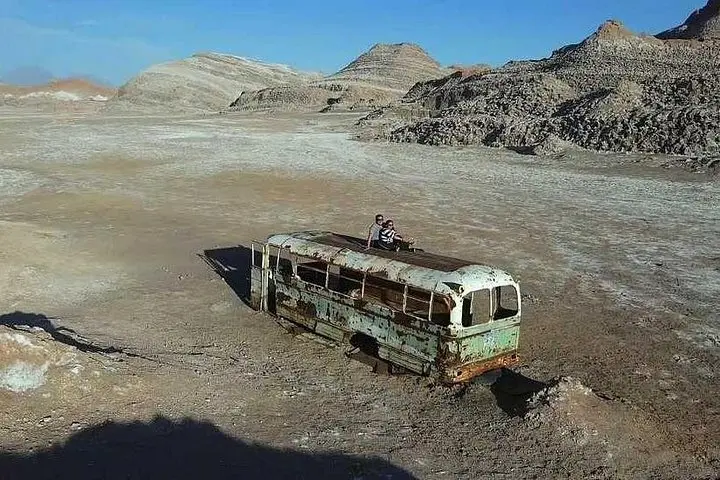
The sun slips low over the Cordillera de la Sal and the valley exhales color, a vast moonscape of ridges, salt crust and wind-sculpted rock that seems to push you forward. On this three-day loop from San Pedro de Atacama you move from the lunar ridges of Valle de la Luna to the glassy, saline Baltinache lagoons, then climb to the steaming Tatio Geysers at 4,200 m — and return each night to learn the ancient southern sky.
The sun slips low over the Cordillera de la Sal and the valley exhales color, a vast moonscape of ridges, salt crust and wind-sculpted rock that seems to push you forward. On this three-day loop from San Pedro de Atacama you move from the lunar ridges of Valle de la Luna to the glassy, saline Baltinache lagoons, then climb to the steaming Tatio Geysers at 4,200 m — and return each night to learn the ancient southern sky.
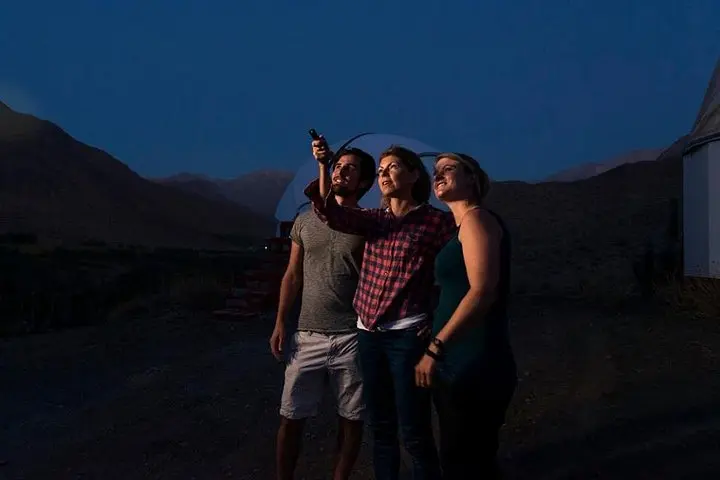
Geologically the Atacama is the driest non-polar desert on Earth; salt pans and volcanic horizons record millennia of uplift and evaporation. Culturally, the high plain has been a crossroads of Andean peoples — the tours include local stories about ancestral constellations and highland life that frame the landscape you travel through.
Expect mostly easy walks punctuated by short, steeper scrambles across loose salt and volcanic scree. Sunrise is for the geysers (cold, dramatic steam columns); sunset is for Moon Valley’s viewpoint. The Baltinache lagoons offer a buoyant float from high salinity, but only designated lagoons allow bathing and facilities for rinsing are available.
Practical guidance: pack layers for 20–30°C daytime swings to subzero nights, bring 3–4 liters of water per day, and plan for early departures (pre-dawn) to reach Tatio at first light. If you’re sensitive to altitude, spend a day in town acclimatizing and avoid heavy exertion the first morning. Modest walking shoes, sun protection and a sense of patience with weather-driven itinerary tweaks will keep the trip smooth.
Frequently asked questions
Only the designated lagoons (typically the first and last) are permitted for bathing; the high salinity lets you float but requires rinsing off at provided showers afterwards.
Departures are usually before dawn to reach the field at sunrise when temperatures are lowest and steam plumes are most impressive; expect a 4–5 AM pickup depending on season.
Yes—Tatio reaches ~4,200 m; mild symptoms are possible. Acclimatize in San Pedro (2,400 m), hydrate, avoid alcohol the night before and inform guides of any issues.
The itinerary lists breakfasts and dinners included on specific days (two breakfasts, two dinners noted); verify any dietary needs during booking.
About This Experience
Agencia GuiasTours operates guided outdoor trips and adventures with an emphasis on safety, stewardship, and memorable experiences.
Adventure tips
Recommended gear
- Layered clothing (fleece + wind shell): Nights and early mornings at altitude are cold while afternoons warm quickly, so layers regulate temperature.
- Sturdy walking shoes: Trails include salt flats, scree and uneven paths—closed shoes with grip help stability.
- Hydration system (3L capacity): Dry air and high sun increase fluid needs; carry enough water for long stretches between services.
- Headlamp and spare batteries: Useful for pre-dawn starts to the Tatio Geysers and moving around lodgings at night.
Photos of the experience
Related adventures & guides
Read the full experience
The sun slips low over the Cordillera de la Sal and the valley exhales color, a vast moonscape of ridges, salt crust and wind-sculpted rock that seems to push you forward. On this three-day loop from San Pedro de Atacama you move from the lunar ridges of Valle de la Luna to the glassy, saline Baltinache lagoons, then climb to the steaming Tatio Geysers at 4,200 m — and return each night to learn the ancient southern sky.
The sun slips low over the Cordillera de la Sal and the valley exhales color, a vast moonscape of ridges, salt crust and wind-sculpted rock that seems to push you forward. On this three-day loop from San Pedro de Atacama you move from the lunar ridges of Valle de la Luna to the glassy, saline Baltinache lagoons, then climb to the steaming Tatio Geysers at 4,200 m — and return each night to learn the ancient southern sky.
Geologically the Atacama is the driest non-polar desert on Earth; salt pans and volcanic horizons record millennia of uplift and evaporation. Culturally, the high plain has been a crossroads of Andean peoples — the tours include local stories about ancestral constellations and highland life that frame the landscape you travel through.
Expect mostly easy walks punctuated by short, steeper scrambles across loose salt and volcanic scree. Sunrise is for the geysers (cold, dramatic steam columns); sunset is for Moon Valley’s viewpoint. The Baltinache lagoons offer a buoyant float from high salinity, but only designated lagoons allow bathing and facilities for rinsing are available.
Practical guidance: pack layers for 20–30°C daytime swings to subzero nights, bring 3–4 liters of water per day, and plan for early departures (pre-dawn) to reach Tatio at first light. If you’re sensitive to altitude, spend a day in town acclimatizing and avoid heavy exertion the first morning. Modest walking shoes, sun protection and a sense of patience with weather-driven itinerary tweaks will keep the trip smooth.
Make a day of it nearby.
Verified experiences and guided adventures in the surrounding area.