THE ADVENTURE COLLECTIVE® · Independent discovery and booking for outdoor travel

An early-morning climb up Chaparrastique (San Miguel) tests fitness and nerve: three hours up through coffee country to a volcanic crater that still shows signs of life. This practical guide covers what to expect, trail conditions, and essential planning tips.
An early-morning climb up Chaparrastique (San Miguel) tests fitness and nerve: three hours up through coffee country to a volcanic crater that still shows signs of life. This practical guide covers what to expect, trail conditions, and essential planning tips.
Dawn breaks on Chaparrastique with a cool, thin light that strips the landscape of shadow and leaves the volcano’s bare summit etched against the sky. Hikers move in small, deliberate groups from Chinameca, boots crunching volcanic scree, coffee terraces sliding away below. The ascent is honest—steep, exposed, and constantly reminding you that this is an active stratovolcano with a crater that has changed shape in recorded history.
Verified experiences and guided adventures in the surrounding area.
Operated by El Salvador Positive Tours · Chinameca, San Miguel Department
Dawn breaks on Chaparrastique with a cool, thin light that strips the landscape of shadow and leaves the volcano’s bare summit etched against the sky. Hikers move in small, deliberate groups from Chinameca, boots crunching volcanic scree, coffee terraces sliding away below. The ascent is honest—steep, exposed, and constantly reminding you that this is an active stratovolcano with a crater that has changed shape in recorded history.
San Miguel (locally Chaparrastique) towers to about 2,130 m and has been observed erupting since the 1500s; its frequent activity keeps the upper slopes largely free of vegetation while coffee plantations cling to the lower flanks. Geologically it’s a classic stratovolcano: alternating layers of lava and ash, a broad crater complex, and fumarolic behavior at times of unrest. Culturally, the volcano is a landmark for communities in the San Miguel Department—routes often start from Chinameca and are tied to local guiding traditions.
Expect roughly three hours up and three hours down on a mix of packed dirt, loose scree, and occasional rock steps. Weather can shift quickly: mornings are cool, midday hot, and sudden showers can slick the trail in the wet season. Practical planning means an early start (many departures near 5:00 a.m.), plenty of water (2–3 L), sturdy boots with good traction, and a local guide who knows current activity and trail conditions.
This hike rewards persistence with wide valley views, a crater rim that feels raw and elemental, and the tactile sense of walking on a landscape still being shaped. Prepare well, respect volcanic warnings, and the summit delivers a clear, uncompromising experience of El Salvador’s volcanic backbone.
challenging.
10–14 hours.
Requires a high level of cardiovascular fitness and leg strength for sustained uphill and loose-scree descent.
Typical guided trips list about three hours ascending and three hours descending, with total door-to-door times of 10–14 hours depending on pickup location and group pace.
San Miguel is an active volcano with historical eruptions; always check local volcanic advisories and only go with guides who confirm current stability before starting.
This route is best for experienced hikers in good fitness—beginners should train on sustained climbs and consider lower-elevation hikes first or hire a guide and pace conservatively.
Permits are not typically required for daily guided hikes, but check with your operator and local authorities as conditions or access rules can change.
The volcano has documented eruptions since the 16th century and has repeatedly altered its crater morphology; it remains an important geographic and cultural landmark in eastern El Salvador.
Stick to marked paths to limit erosion on fragile volcanic soils; use a local guide to avoid unauthorized routes and support community-based tourism.
El Salvador Positive Tours operates guided outdoor trips and adventures with an emphasis on safety, stewardship, and memorable experiences.

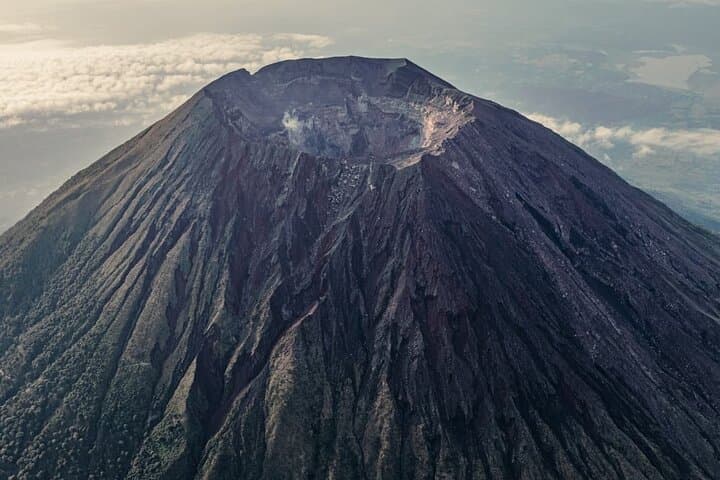


Dawn breaks on Chaparrastique with a cool, thin light that strips the landscape of shadow and leaves the volcano’s bare summit etched against the sky. Hikers move in small, deliberate groups from Chinameca, boots crunching volcanic scree, coffee terraces sliding away below. The ascent is honest—steep, exposed, and constantly reminding you that this is an active stratovolcano with a crater that has changed shape in recorded history.
Dawn breaks on Chaparrastique with a cool, thin light that strips the landscape of shadow and leaves the volcano’s bare summit etched against the sky. Hikers move in small, deliberate groups from Chinameca, boots crunching volcanic scree, coffee terraces sliding away below. The ascent is honest—steep, exposed, and constantly reminding you that this is an active stratovolcano with a crater that has changed shape in recorded history.
San Miguel (locally Chaparrastique) towers to about 2,130 m and has been observed erupting since the 1500s; its frequent activity keeps the upper slopes largely free of vegetation while coffee plantations cling to the lower flanks. Geologically it’s a classic stratovolcano: alternating layers of lava and ash, a broad crater complex, and fumarolic behavior at times of unrest. Culturally, the volcano is a landmark for communities in the San Miguel Department—routes often start from Chinameca and are tied to local guiding traditions.
Expect roughly three hours up and three hours down on a mix of packed dirt, loose scree, and occasional rock steps. Weather can shift quickly: mornings are cool, midday hot, and sudden showers can slick the trail in the wet season. Practical planning means an early start (many departures near 5:00 a.m.), plenty of water (2–3 L), sturdy boots with good traction, and a local guide who knows current activity and trail conditions.
This hike rewards persistence with wide valley views, a crater rim that feels raw and elemental, and the tactile sense of walking on a landscape still being shaped. Prepare well, respect volcanic warnings, and the summit delivers a clear, uncompromising experience of El Salvador’s volcanic backbone.