THE ADVENTURE COLLECTIVE® · Independent discovery and booking for outdoor travel

Walk into working workshops where parasols are painted and looms click at Sankampaeng. This short, easy tour offers close-up demonstrations of Lanna crafts, shopping opportunities, and practical insight into Chiang Mai’s artisanal economy.
Walk into working workshops where parasols are painted and looms click at Sankampaeng. This short, easy tour offers close-up demonstrations of Lanna crafts, shopping opportunities, and practical insight into Chiang Mai’s artisanal economy.
A morning light runs across open-air workshops as you step off the air‑conditioned van into Sankampaeng’s lane of craftsmen. Paper parasols lean against low roofs, bolts of silk catch the breeze, and the soft clack of looms keeps time while woodworkers plane furniture nearby. The tour places you inside working spaces where techniques are demonstrated, not staged, and where purchases support households rather than factories.
Verified experiences and guided adventures in the surrounding area.
Operated by Way to Bangkok · Chiang Mai, Chiang Mai Province
A morning light runs across open-air workshops as you step off the air‑conditioned van into Sankampaeng’s lane of craftsmen. Paper parasols lean against low roofs, bolts of silk catch the breeze, and the soft clack of looms keeps time while woodworkers plane furniture nearby. The tour places you inside working spaces where techniques are demonstrated, not staged, and where purchases support households rather than factories.
San Kamphaeng sits on the eastern plain outside Chiang Mai and has been a center for Lanna-era crafts for generations. The geology—rich alluvial soils and river-fed agriculture—helped support dye plants and mulberry cultivation for silk, while cultural exchange along trade routes introduced metalwork and gem cutting. Today small family workshops continue traditions like saa paper umbrella making, lacquerware finishing, silk weaving, and furniture production.
Expect 3–4 hours of easy walking between clustered studios, with guided demonstrations explaining materials, dyeing, and finishing techniques. Sensory details dominate: the scent of drying lacquer, the sheen of hand-spun silk, and the rhythmic tapping of carving chisels.
Practical guidance: arrive with cash for small purchases (many vendors accept cards but small stalls may not), dress for humid weather with comfortable shoes for workshop floors, and plan hotel pickup in Chiang Mai. Visit during weekday mornings to avoid local market crowds and bring a carry bag for fragile items. Ask artisans about sustainability and local sourcing—many explain the provenance of dyes and fibers. This is a low‑impact cultural outing that rewards curiosity and careful purchasing.
easy.
3–4 hours.
Suitable for most fitness levels; involves short, flat walks between workshops and standing during demonstrations
The tour runs about 3–4 hours with morning (08:30–12:00) and afternoon (13:30–17:00) departures.
Hotel pickup and drop-off are included for selected Chiang Mai hotels—confirm your pickup point when booking.
Small bags are fine; large backpacks may be cumbersome in tight workshop spaces—use hotel storage if needed.
Most artisan purchases are straightforward retail—ask vendors about receipts and any export documentation for large or high-value items.
San Kamphaeng has long been a Lanna craft hub; many techniques—like saa paper umbrella making and silk weaving—trace back generations and traded materials along regional routes.
Support ethical purchasing by choosing items with clear provenance; many workshops use natural dyes and small-batch techniques, so avoid pressuring artisans for mass production.
Way to Bangkok operates guided outdoor trips and adventures with an emphasis on safety, stewardship, and memorable experiences.
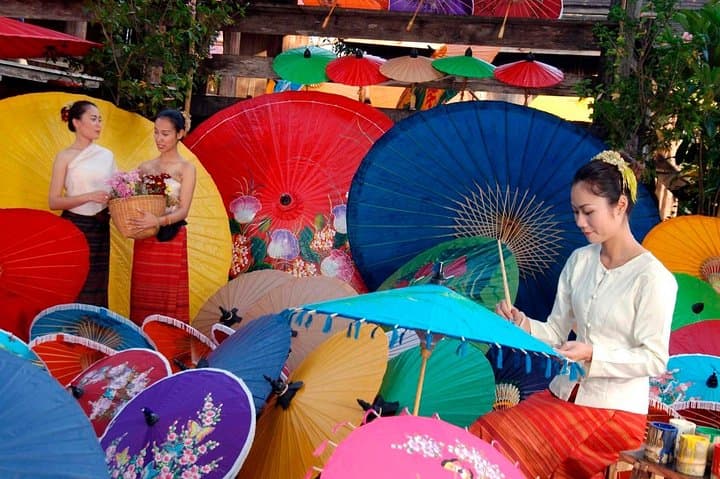
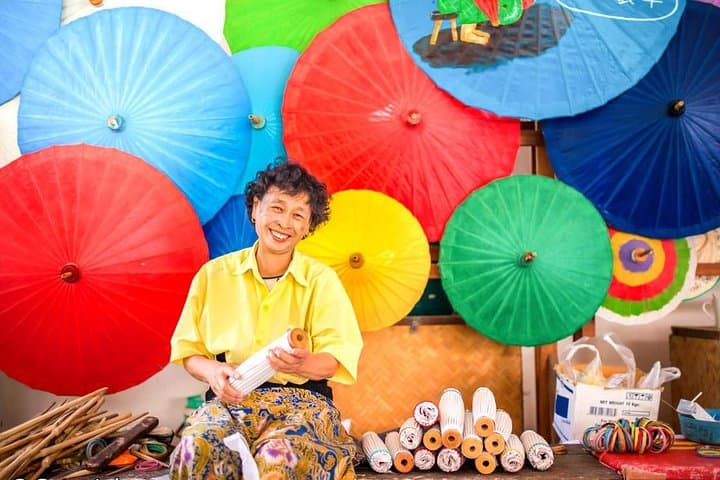
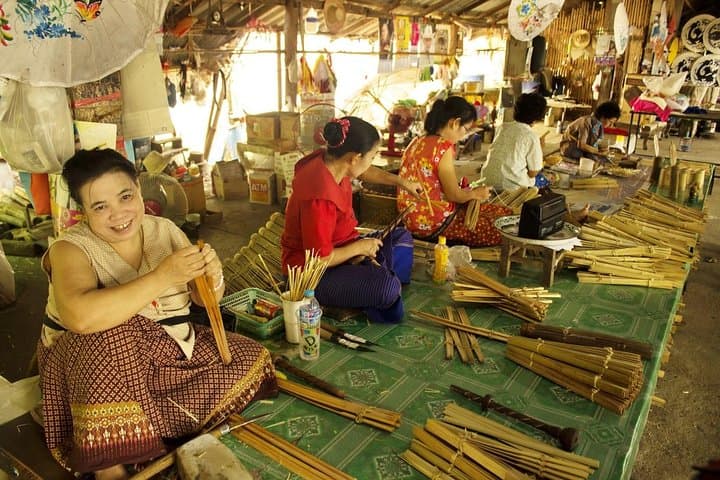
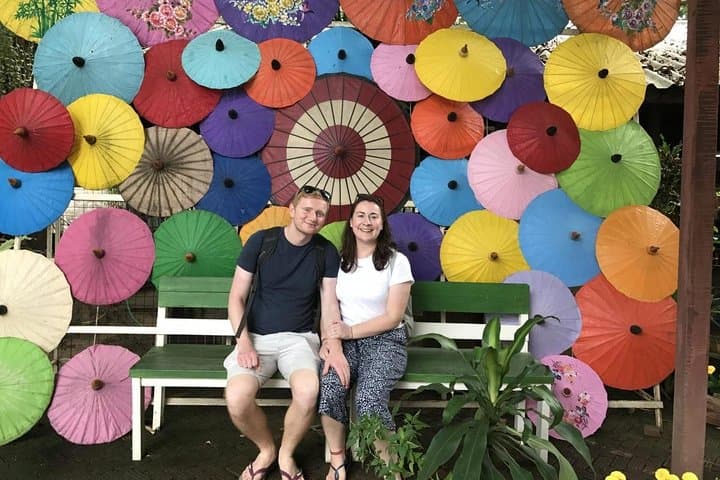
A morning light runs across open-air workshops as you step off the air‑conditioned van into Sankampaeng’s lane of craftsmen. Paper parasols lean against low roofs, bolts of silk catch the breeze, and the soft clack of looms keeps time while woodworkers plane furniture nearby. The tour places you inside working spaces where techniques are demonstrated, not staged, and where purchases support households rather than factories.
A morning light runs across open-air workshops as you step off the air‑conditioned van into Sankampaeng’s lane of craftsmen. Paper parasols lean against low roofs, bolts of silk catch the breeze, and the soft clack of looms keeps time while woodworkers plane furniture nearby. The tour places you inside working spaces where techniques are demonstrated, not staged, and where purchases support households rather than factories.
San Kamphaeng sits on the eastern plain outside Chiang Mai and has been a center for Lanna-era crafts for generations. The geology—rich alluvial soils and river-fed agriculture—helped support dye plants and mulberry cultivation for silk, while cultural exchange along trade routes introduced metalwork and gem cutting. Today small family workshops continue traditions like saa paper umbrella making, lacquerware finishing, silk weaving, and furniture production.
Expect 3–4 hours of easy walking between clustered studios, with guided demonstrations explaining materials, dyeing, and finishing techniques. Sensory details dominate: the scent of drying lacquer, the sheen of hand-spun silk, and the rhythmic tapping of carving chisels.
Practical guidance: arrive with cash for small purchases (many vendors accept cards but small stalls may not), dress for humid weather with comfortable shoes for workshop floors, and plan hotel pickup in Chiang Mai. Visit during weekday mornings to avoid local market crowds and bring a carry bag for fragile items. Ask artisans about sustainability and local sourcing—many explain the provenance of dyes and fibers. This is a low‑impact cultural outing that rewards curiosity and careful purchasing.