THE ADVENTURE COLLECTIVE® · Independent discovery and booking for outdoor travel

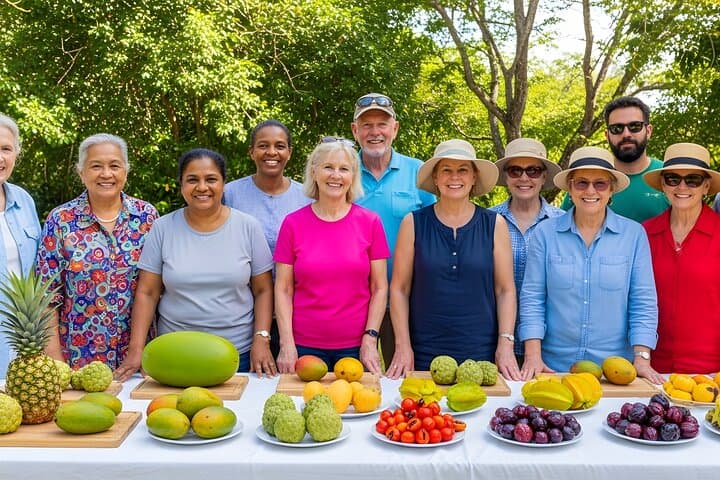
Taste 15–20 tropical fruits with a local San José guide while learning origins, seasonal patterns, and traditional uses. Optional market walk adds context to every bite.
Taste 15–20 tropical fruits with a local San José guide while learning origins, seasonal patterns, and traditional uses. Optional market walk adds context to every bite.
You step into a San José market and the air takes the lead: warm, sweet, and a little sharp where guanábana meets citrus. Stalls hunch under corrugated awnings, vendors call out like weathered conductors, and your guide—part fruit scholar, part storyteller—hands you a slice that tastes nothing like the grocery aisle version at home.
Verified experiences and guided adventures in the surrounding area.
Operated by Cook in Fiesta · San José, San José Province
You step into a San José market and the air takes the lead: warm, sweet, and a little sharp where guanábana meets citrus. Stalls hunch under corrugated awnings, vendors call out like weathered conductors, and your guide—part fruit scholar, part storyteller—hands you a slice that tastes nothing like the grocery aisle version at home.
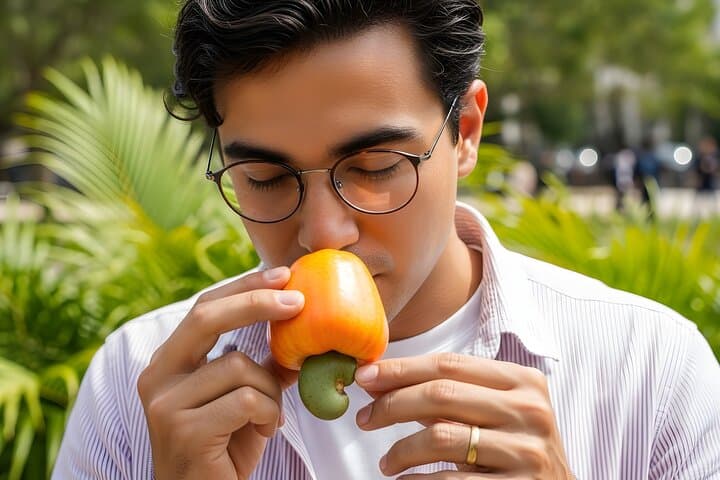
The tasting moves from familiar mangoes and guavas to native curiosities: cas fruit shots that pucker the tongue, creamy sapote, and bright maracuyá pulped raw. Each bite is framed with context—how indigenous peoples used a rind as medicine, how colonial trade shifted cultivation, and how smallholder farmers select varieties to suit microclimates.
Geology and climate matter here: Costa Rica’s volcanic soils and humid Pacific trade winds create pockets of fertility that shape flavor profiles. The market itself is a cultural crossroads where Afro‑Caribbean, Indigenous and Spanish culinary threads meet over fruit stalls and small sorbet vendors.
Practical guidance: the full experience runs about two hours and can include an optional market walk; wear comfortable shoes for standing and weaving through crowds, carry a refillable bottle, and alert your guide to allergies in advance. Plan for mid‑morning when fruit is freshest and markets are lively but not frenetic. Bring small bills for extras and arrive ready to taste without heavy meals beforehand—this is an education for your palate as much as a snack tour.
easy.
2 hours.
Minimal fitness required; participants should be able to stand and walk short market distances.
The guided tasting samples roughly 15–20 tropical fruits, with portions sized for sampling and comparison.
No—the tasting-only option is available if you prefer not to join the optional market stroll.
Yes—inform the operator when booking and again to the guide, and they will avoid or substitute items as needed.
Yes—children can participate, though portions and explanations are geared to adults; mention ages when booking.
Local markets in San José grew from colonial town centers where Indigenous trade routes and Spanish market systems merged, shaping how fruits were cultivated and consumed.
Many guides emphasize buying seasonal, locally grown fruit and avoiding rare wild‑harvested species; support for smallholders helps preserve agrobiodiversity.
Cook in Fiesta operates guided outdoor trips and adventures with an emphasis on safety, stewardship, and memorable experiences.


You step into a San José market and the air takes the lead: warm, sweet, and a little sharp where guanábana meets citrus. Stalls hunch under corrugated awnings, vendors call out like weathered conductors, and your guide—part fruit scholar, part storyteller—hands you a slice that tastes nothing like the grocery aisle version at home.
You step into a San José market and the air takes the lead: warm, sweet, and a little sharp where guanábana meets citrus. Stalls hunch under corrugated awnings, vendors call out like weathered conductors, and your guide—part fruit scholar, part storyteller—hands you a slice that tastes nothing like the grocery aisle version at home.
The tasting moves from familiar mangoes and guavas to native curiosities: cas fruit shots that pucker the tongue, creamy sapote, and bright maracuyá pulped raw. Each bite is framed with context—how indigenous peoples used a rind as medicine, how colonial trade shifted cultivation, and how smallholder farmers select varieties to suit microclimates.
Geology and climate matter here: Costa Rica’s volcanic soils and humid Pacific trade winds create pockets of fertility that shape flavor profiles. The market itself is a cultural crossroads where Afro‑Caribbean, Indigenous and Spanish culinary threads meet over fruit stalls and small sorbet vendors.
Practical guidance: the full experience runs about two hours and can include an optional market walk; wear comfortable shoes for standing and weaving through crowds, carry a refillable bottle, and alert your guide to allergies in advance. Plan for mid‑morning when fruit is freshest and markets are lively but not frenetic. Bring small bills for extras and arrive ready to taste without heavy meals beforehand—this is an education for your palate as much as a snack tour.