THE ADVENTURE COLLECTIVE® · Independent discovery and booking for outdoor travel

Taste four regional Costa Rican coffees in Barrio Escalante, then walk a guided route through downtown San José’s plazas, murals and hidden bird pockets. This 2–3 hour workshop-plus-walk pairs hands-on brewing with local history and city stories.
Taste four regional Costa Rican coffees in Barrio Escalante, then walk a guided route through downtown San José’s plazas, murals and hidden bird pockets. This 2–3 hour workshop-plus-walk pairs hands-on brewing with local history and city stories.
You begin with the smell: dark, floral, bright—coffee steam curling from a small Barrio Escalante café as light filters through high windows.
Verified experiences and guided adventures in the surrounding area.
Operated by Foodie Tours Costa Rica · San José, San José Province
You begin with the smell: dark, floral, bright—coffee steam curling from a small Barrio Escalante café as light filters through high windows.
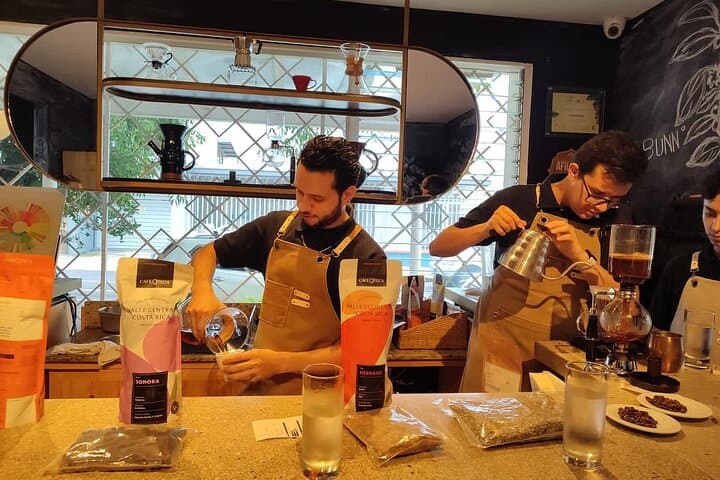
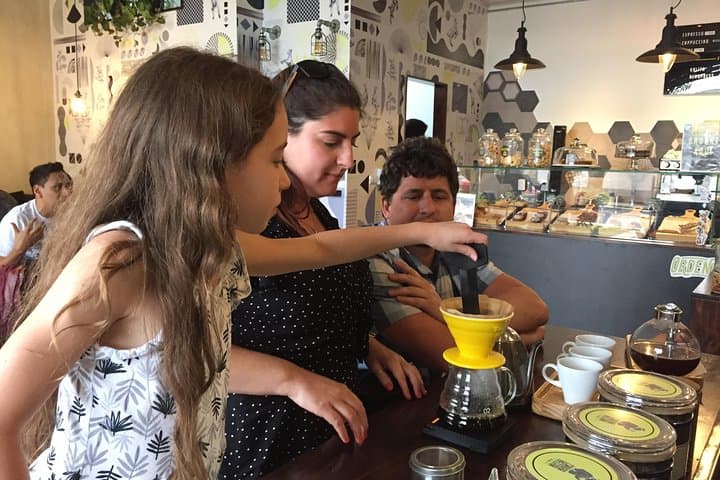
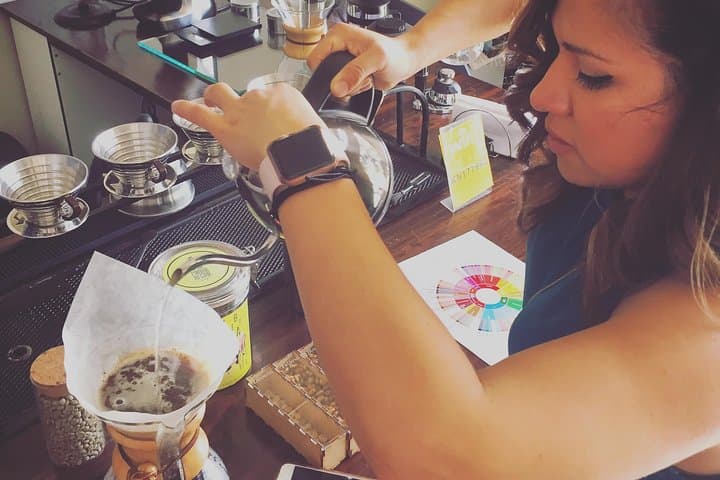
The workshop opens with beans laid out like raw instruments. Over an hour an experienced barista guides you through four Costa Rican coffees, each from a different growing region of the Central Valley and highlands. You learn to read acidity, body and roast while practicing pour-over and cupping techniques that reveal why volcanic soils and steady mountain breezes shape flavor.
Then the city steps in. The walking portion threads from Escalante into downtown San José—historic plazas, weathered colonial facades, and bold murals that map recent cultural shifts. The Central Valley’s geology—old volcanic slopes and fertile river terraces—created the conditions for coffee’s rise here and for neighborhoods to cluster around transit corridors.
Expect local stories about labor, national identity and how coffee transformed rural economies; guides point out hidden bird pockets where urban pigeons share space with tanagers and orioles, the city’s green heart daring you to look up.
Practical guidance: this is an easy, mostly flat 2–3 hour outing with frequent stops. Bring comfortable walking shoes, a lightweight rain layer (quick tropical showers are common), water and small change for markets. Workshops favor small groups—ask about language options if you need Spanish assistance. Timing matters: morning sessions give fresher roasts and quieter plazas; afternoons can feel busier and warmer.
By the end you’ll not only taste Costa Rica’s coffee—you’ll understand the landscape and people that make each cup possible.
easy.
2–3 hours.
Suitable for most fitness levels; comfortable walking for 1–3 miles with frequent stops.
Yes—four regional Costa Rican coffees and a local snack are included as part of the workshop.
The operator lists wheelchair accessibility, but some downtown sidewalks may be uneven—notify in advance to confirm accommodations.
The full experience runs about 165 minutes (roughly 2 hours 45 minutes) with hands-on brewing followed by a 1.5-hour walking tour.
The tour is family-friendly, though tastings are small and not intended for young children; inquire about age recommendations when booking.
San José grew rapidly in the 19th and 20th centuries as coffee exports financed urban expansion; many downtown buildings reflect that prosperity and later 20th-century reform movements.
Coffee farming in Costa Rica has shifted toward sustainable and shade-grown practices, and urban green pockets in San José are protected through local community initiatives to support bird habitat.
Foodie Tours Costa Rica operates guided outdoor trips and adventures with an emphasis on safety, stewardship, and memorable experiences.
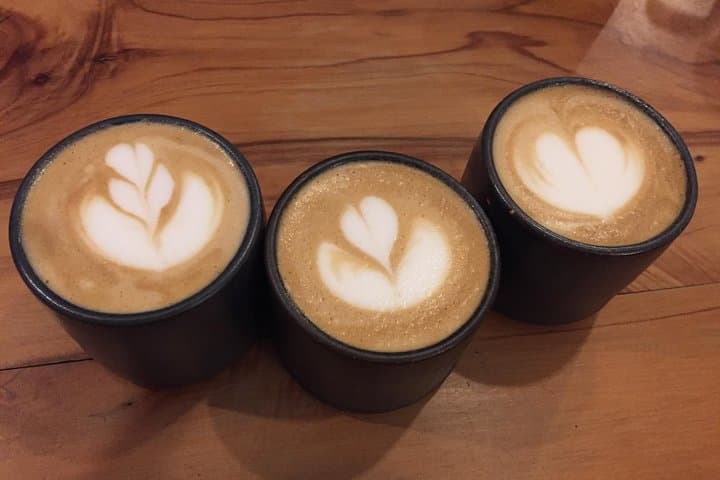
You begin with the smell: dark, floral, bright—coffee steam curling from a small Barrio Escalante café as light filters through high windows.
You begin with the smell: dark, floral, bright—coffee steam curling from a small Barrio Escalante café as light filters through high windows.
The workshop opens with beans laid out like raw instruments. Over an hour an experienced barista guides you through four Costa Rican coffees, each from a different growing region of the Central Valley and highlands. You learn to read acidity, body and roast while practicing pour-over and cupping techniques that reveal why volcanic soils and steady mountain breezes shape flavor.
Then the city steps in. The walking portion threads from Escalante into downtown San José—historic plazas, weathered colonial facades, and bold murals that map recent cultural shifts. The Central Valley’s geology—old volcanic slopes and fertile river terraces—created the conditions for coffee’s rise here and for neighborhoods to cluster around transit corridors.
Expect local stories about labor, national identity and how coffee transformed rural economies; guides point out hidden bird pockets where urban pigeons share space with tanagers and orioles, the city’s green heart daring you to look up.
Practical guidance: this is an easy, mostly flat 2–3 hour outing with frequent stops. Bring comfortable walking shoes, a lightweight rain layer (quick tropical showers are common), water and small change for markets. Workshops favor small groups—ask about language options if you need Spanish assistance. Timing matters: morning sessions give fresher roasts and quieter plazas; afternoons can feel busier and warmer.
By the end you’ll not only taste Costa Rica’s coffee—you’ll understand the landscape and people that make each cup possible.