THE ADVENTURE COLLECTIVE® · Independent discovery and booking for outdoor travel

A 2–3 hour walking tour through downtown San José that pairs specialty coffee and artisanal chocolate with history and local bites. Taste how volcanic soils and urban culture shaped Costa Rica’s most famous flavors.
A 2–3 hour walking tour through downtown San José that pairs specialty coffee and artisanal chocolate with history and local bites. Taste how volcanic soils and urban culture shaped Costa Rica’s most famous flavors.
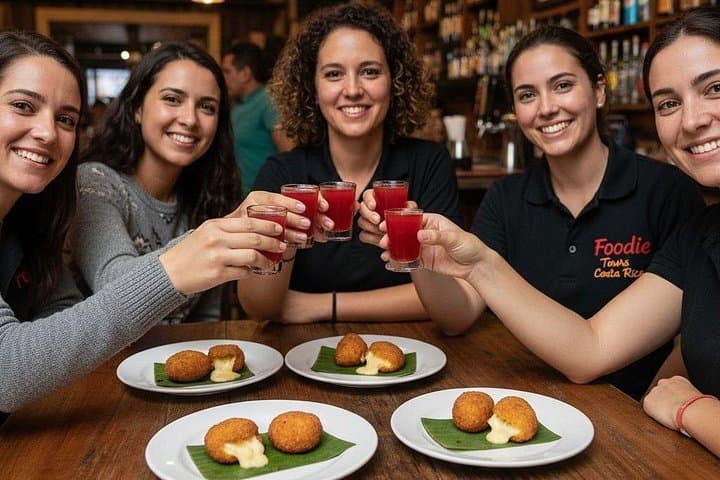
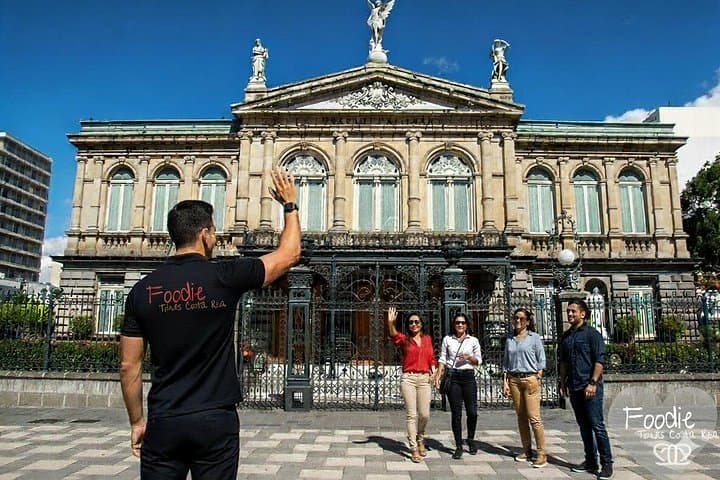
Morning light spills across Parque Central and the guide leads the group toward the National Theatre, steam from a just-poured cup rising like a small promise. This is a walking tasting—coffee cherries, specialty brews and artisanal chocolate threaded between plazas, murals and the baroque face of the city’s most storied buildings. The tour moves at a city pace: stops for explanation, short walks through neighborhoods, and seated tastings that let flavors open slowly.
Verified experiences and guided adventures in the surrounding area.
Operated by Foodie Tours Costa Rica · San José, San José
Morning light spills across Parque Central and the guide leads the group toward the National Theatre, steam from a just-poured cup rising like a small promise. This is a walking tasting—coffee cherries, specialty brews and artisanal chocolate threaded between plazas, murals and the baroque face of the city’s most storied buildings. The tour moves at a city pace: stops for explanation, short walks through neighborhoods, and seated tastings that let flavors open slowly.
Costa Rica’s coffee and cacao history is concrete here—19th-century coffee exports financed civic buildings and shaped San José’s social map. Geologically, the Central Valley’s volcanic soils gave the beans and cacao their character; culturally, they’ve become symbols of national pride and modern small-batch craft. Along the route you’ll pass the Steinvorth building, sample chocolate while learning about local bean-to-bar practices, and finish with a savory bite that anchors the sweet samples in everyday Tico life.
Practically: expect 2–3 hours of mixed pavement and short cobbled sections with intermittent stairs; comfortable shoes and sensible pacing make the difference. Ask about dietary needs when you book, bring a small bottle of water, and schedule the tour in the morning for cooler temperatures and fresher roasts. Guides explain sourcing and sustainability practices, so you leave with tasting notes and context. This isn’t just a string of snacks—it's a condensed field lesson in why coffee and cacao still move Costa Rica’s culture and economy.
moderate.
2–3 hours.
Moderate—comfortable walking for a couple of hours with brief standing tastings.
The tour lasts about 2–3 hours and involves a few miles of easy walking on city streets with short stops and occasional stairs.
The tour is wheelchair-accessible in general, but contact the operator ahead of time to confirm route adjustments and accessibility at tasting locations.
Yes—coffee, chocolate and a savory bite are included; advise dietary restrictions at booking to allow substitutions when possible.
Morning departures offer cooler temperatures and peak freshness for coffee tastings; they also align with less crowded streets and markets.
San José’s 19th-century coffee boom financed key civic projects and shaped the city’s elite neighborhoods and public institutions.
Local producers emphasize traceability and shade-grown practices; tours often highlight small-scale, sustainable bean and cacao sourcing to support local artisans.
Foodie Tours Costa Rica operates guided outdoor trips and adventures with an emphasis on safety, stewardship, and memorable experiences.
Morning light spills across Parque Central and the guide leads the group toward the National Theatre, steam from a just-poured cup rising like a small promise. This is a walking tasting—coffee cherries, specialty brews and artisanal chocolate threaded between plazas, murals and the baroque face of the city’s most storied buildings. The tour moves at a city pace: stops for explanation, short walks through neighborhoods, and seated tastings that let flavors open slowly.
Morning light spills across Parque Central and the guide leads the group toward the National Theatre, steam from a just-poured cup rising like a small promise. This is a walking tasting—coffee cherries, specialty brews and artisanal chocolate threaded between plazas, murals and the baroque face of the city’s most storied buildings. The tour moves at a city pace: stops for explanation, short walks through neighborhoods, and seated tastings that let flavors open slowly.
Costa Rica’s coffee and cacao history is concrete here—19th-century coffee exports financed civic buildings and shaped San José’s social map. Geologically, the Central Valley’s volcanic soils gave the beans and cacao their character; culturally, they’ve become symbols of national pride and modern small-batch craft. Along the route you’ll pass the Steinvorth building, sample chocolate while learning about local bean-to-bar practices, and finish with a savory bite that anchors the sweet samples in everyday Tico life.
Practically: expect 2–3 hours of mixed pavement and short cobbled sections with intermittent stairs; comfortable shoes and sensible pacing make the difference. Ask about dietary needs when you book, bring a small bottle of water, and schedule the tour in the morning for cooler temperatures and fresher roasts. Guides explain sourcing and sustainability practices, so you leave with tasting notes and context. This isn’t just a string of snacks—it's a condensed field lesson in why coffee and cacao still move Costa Rica’s culture and economy.