THE ADVENTURE COLLECTIVE® · Independent discovery and booking for outdoor travel

An evening walk through San José’s historic neighborhoods leads to a private farm-to-table dinner and hands-on cocktail class. Explore the Central Market, learn local food history, and craft an empanada and two signature drinks in a restored historic home.
An evening walk through San José’s historic neighborhoods leads to a private farm-to-table dinner and hands-on cocktail class. Explore the Central Market, learn local food history, and craft an empanada and two signature drinks in a restored historic home.
Night falls over downtown San José and the city shifts its voice—street vendors call from the market, and the lamps of Amon and Otoya throw long, warm pools of light across cobbled sidewalks.
Verified experiences and guided adventures in the surrounding area.
Operated by San Jose Urban Tours · San José, San José Province
Night falls over downtown San José and the city shifts its voice—street vendors call from the market, and the lamps of Amon and Otoya throw long, warm pools of light across cobbled sidewalks.
The evening begins at the Monumento de los Presentes, a compact reminder of the city’s social history, then threads through the Central Market, operating since 1880, where local produce and coffee crates line narrow aisles. Guides point out pre-Columbian ingredients that still flavor Costa Rican cooking and explain the Caribbean influences that later shaped coastal recipes.
The Historic District itself is an architectural mix: late-19th and early-20th-century homes, Art Nouveau details and music pavilions like the Templo de la Música in Morazán Park. This walk places food in cultural context—why coffee shaped trade and why coastal coconuts and cas fruit entered the capital’s kitchens.
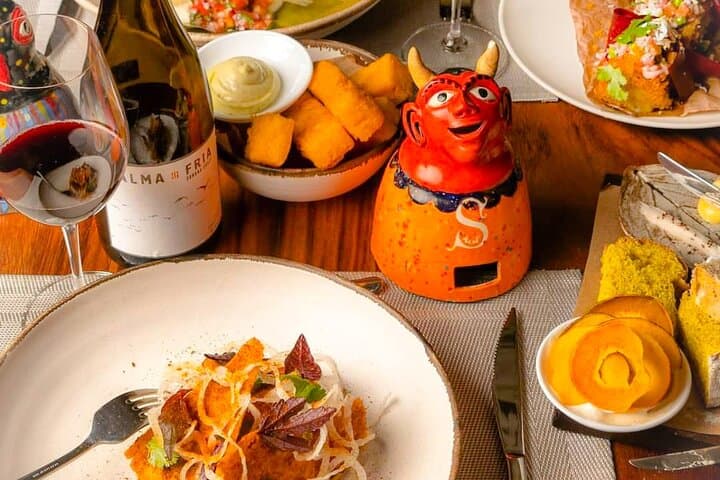
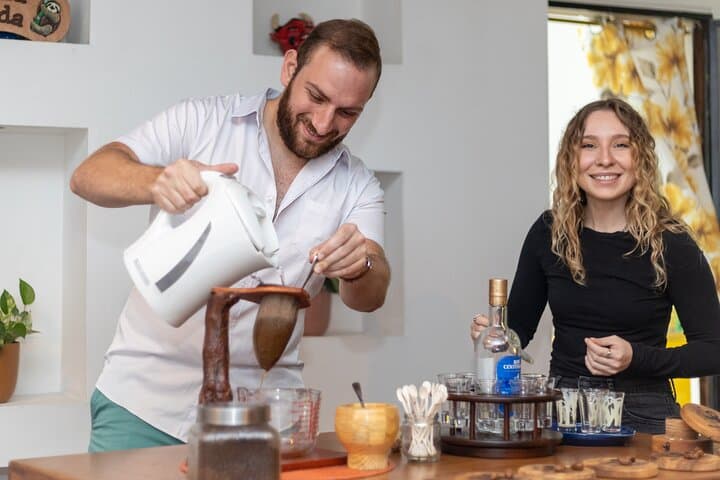
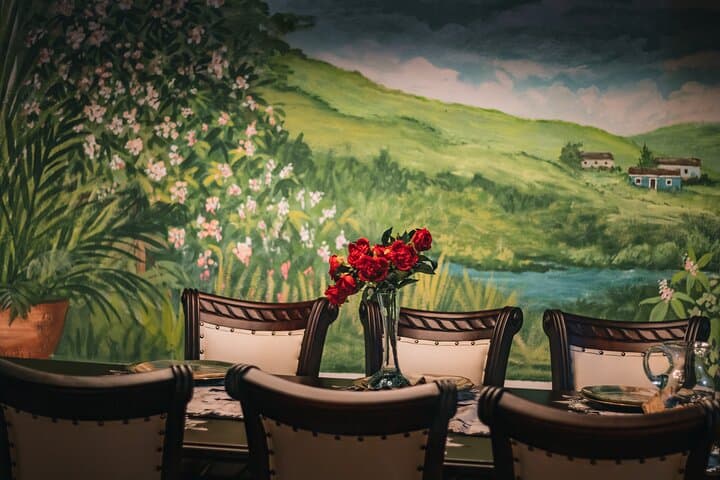
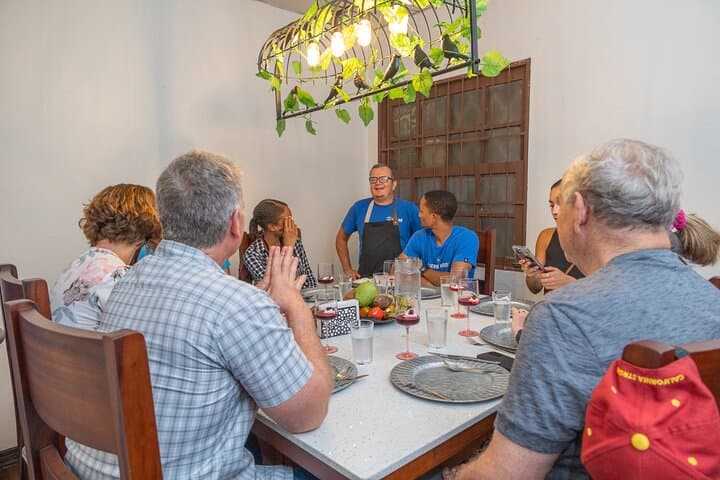
Practical guidance begins with pace: expect about 2–3 miles of mostly flat walking, broken by stops at market stalls and viewpoints. The finale is a private farm-to-table dinner in a restored historic building where participants prepare an Empanada Arreglada and mix two signature cocktails—the Morenito and a Mojito de Cas—under instructor guidance. The experience is social and bilingual, suitable for small groups seeking an interactive dinner rather than a formal class.
Plan for casual dress, comfortable closed-toe shoes for market lanes, and small bills for incidental purchases. Arrive hungry and curious; this night blends culinary history, hands-on cooking, and local flavors into a compact four-hour evening that highlights San José’s evolving food scene.
easy.
4 hours.
Minimal fitness required—able to stand and walk 2–3 miles with stops and stairs during the dinner portion.
Yes; guides and hosts can accommodate vegetarian diets if notified in advance through the booking's special requirements.
The program is approximately four hours in the evening; transportation is not included—participants typically meet at the designated start point in downtown San José.
Children under 12 are not permitted due to the interactive nature of the cooking and cocktail portions.
The menu highlights pre-Hispanic ingredients and many dishes are naturally gluten-free; notify the operator of allergies when booking to confirm specifics.
San José’s Central Market opened in 1880 and has long been a hub for agricultural trade; neighborhoods like Amon and Otoya reflect the city’s early 20th-century urban growth.
The farm-to-table focus supports local producers and seasonal ingredients; minimizing food waste and sourcing locally helps reduce the tour’s environmental footprint.
San Jose Urban Tours operates guided outdoor trips and adventures with an emphasis on safety, stewardship, and memorable experiences.
Night falls over downtown San José and the city shifts its voice—street vendors call from the market, and the lamps of Amon and Otoya throw long, warm pools of light across cobbled sidewalks.
Night falls over downtown San José and the city shifts its voice—street vendors call from the market, and the lamps of Amon and Otoya throw long, warm pools of light across cobbled sidewalks.
The evening begins at the Monumento de los Presentes, a compact reminder of the city’s social history, then threads through the Central Market, operating since 1880, where local produce and coffee crates line narrow aisles. Guides point out pre-Columbian ingredients that still flavor Costa Rican cooking and explain the Caribbean influences that later shaped coastal recipes.
The Historic District itself is an architectural mix: late-19th and early-20th-century homes, Art Nouveau details and music pavilions like the Templo de la Música in Morazán Park. This walk places food in cultural context—why coffee shaped trade and why coastal coconuts and cas fruit entered the capital’s kitchens.
Practical guidance begins with pace: expect about 2–3 miles of mostly flat walking, broken by stops at market stalls and viewpoints. The finale is a private farm-to-table dinner in a restored historic building where participants prepare an Empanada Arreglada and mix two signature cocktails—the Morenito and a Mojito de Cas—under instructor guidance. The experience is social and bilingual, suitable for small groups seeking an interactive dinner rather than a formal class.
Plan for casual dress, comfortable closed-toe shoes for market lanes, and small bills for incidental purchases. Arrive hungry and curious; this night blends culinary history, hands-on cooking, and local flavors into a compact four-hour evening that highlights San José’s evolving food scene.