THE ADVENTURE COLLECTIVE® · Independent discovery and booking for outdoor travel

A private minibus from San José airport to La Fortuna turns a three-hour transfer into a scenic introduction to Arenal country. Learn what to expect—stops, road conditions, and practical tips to arrive ready for adventure.
A private minibus from San José airport to La Fortuna turns a three-hour transfer into a scenic introduction to Arenal country. Learn what to expect—stops, road conditions, and practical tips to arrive ready for adventure.
You step off the plane at Juan Santamaría and within an hour a roomy minibus eases out of San José traffic, air conditioning humming as the city gives way to coffee fields and cattle pastures. Windows frame sugarcane swaying and small rivers that seem to dare you to stop for photos; ahead, the Arenal volcano looms—an abrupt, cone-shaped presence that defines this landscape.
Verified experiences and guided adventures in the surrounding area.
Operated by Costa Nature Tours and Transfers · La Fortuna, Alajuela
You step off the plane at Juan Santamaría and within an hour a roomy minibus eases out of San José traffic, air conditioning humming as the city gives way to coffee fields and cattle pastures. Windows frame sugarcane swaying and small rivers that seem to dare you to stop for photos; ahead, the Arenal volcano looms—an abrupt, cone-shaped presence that defines this landscape.
The drive follows long-established transport corridors that opened access to the northern lowlands and the Arenal region; volcanic activity since the 1968 eruption redirected farms and towns and made La Fortuna the gateway it is today. Geologically, Arenal is a young, conical volcano resting above older lava flows, carving steep river valleys and humid forest pockets that support abundant wildlife and small-scale agriculture.
Culturally, the route threads through rural communities where coffee and yucca plots anchor daily life and roadside stalls sell fresh fruit. Drivers commonly offer flexible stops—bathroom breaks, a quick supermarket run for Airbnb arrivals, or a photo at a roadside waterfall.
Practically: expect roughly 125–140 km and about 3 hours of travel on mostly paved, occasionally winding roads. Bring a light rain layer for sudden showers, keep valuables and passports accessible, and confirm your pickup time against flight schedules. If traveling with infants, request a child seat in advance; the operator provides them. Early departures usually avoid late-afternoon downpours and make for clearer volcano views. This transfer is straightforward transportation with room for photo stops and a calm pace that eases you into the Arenal region.
easy.
Approx. 3 hours.
No special fitness required; suitable for travelers of all mobility levels
Typical driving time is about 3 hours (125–140 km) depending on traffic, road conditions, and stops.
Yes—private transfers commonly allow brief stops for restrooms, meals, supermarkets, or scenic photos; confirm the number and length of stops when booking.
Yes—infant seats are available but should be requested at booking to ensure availability.
Vehicles are spacious recliner minibuses, but confirm any oversized items with the operator; standard checked luggage and carry-ons are normally accommodated.
The 1968 eruption of Arenal reshaped local settlements and agriculture; since then the town of La Fortuna developed as the primary hub for visitors to the volcano and surrounding hot springs.
This region relies on protected humid forests and responsible tourism—stay on roads and support local businesses to minimize impact and help conservation efforts.
Costa Nature Tours and Transfers operates guided outdoor trips and adventures with an emphasis on safety, stewardship, and memorable experiences.
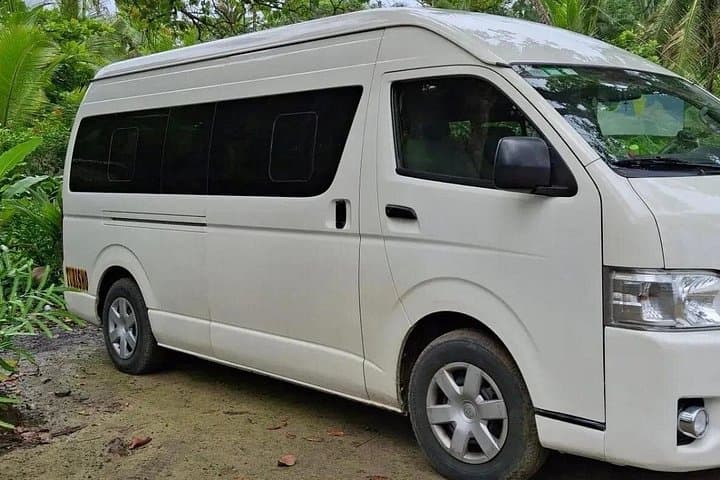
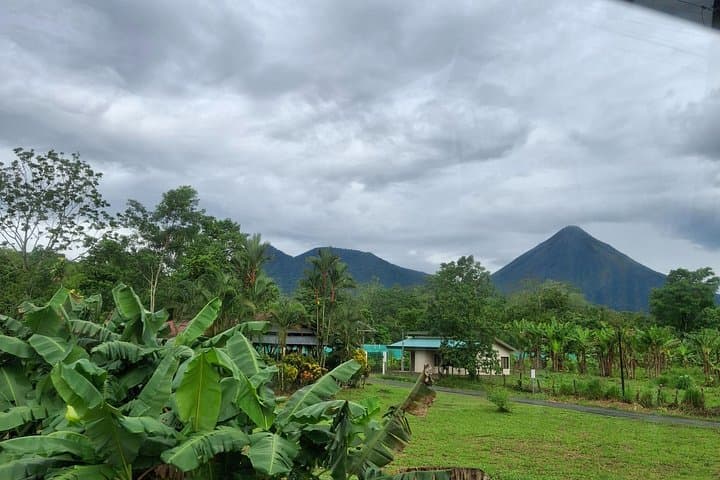
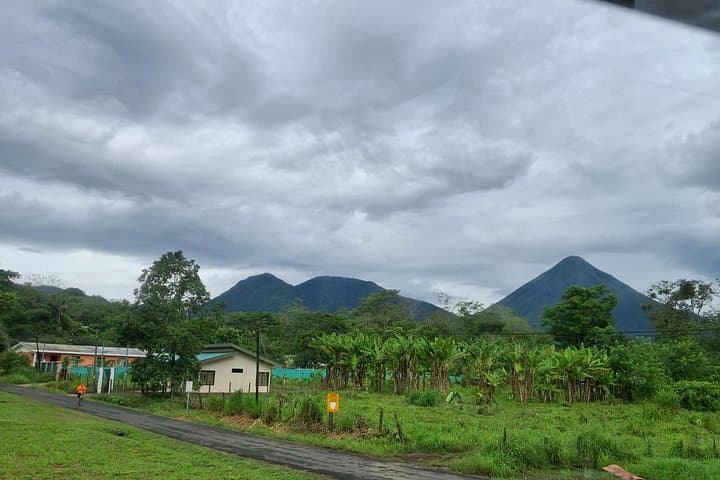
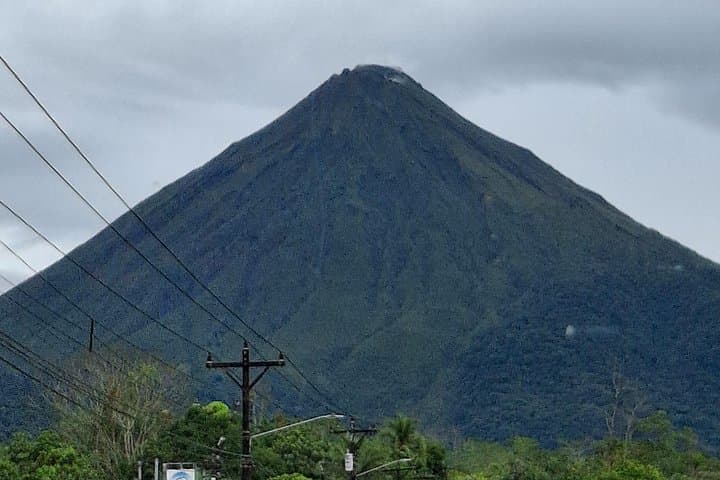
You step off the plane at Juan Santamaría and within an hour a roomy minibus eases out of San José traffic, air conditioning humming as the city gives way to coffee fields and cattle pastures. Windows frame sugarcane swaying and small rivers that seem to dare you to stop for photos; ahead, the Arenal volcano looms—an abrupt, cone-shaped presence that defines this landscape.
You step off the plane at Juan Santamaría and within an hour a roomy minibus eases out of San José traffic, air conditioning humming as the city gives way to coffee fields and cattle pastures. Windows frame sugarcane swaying and small rivers that seem to dare you to stop for photos; ahead, the Arenal volcano looms—an abrupt, cone-shaped presence that defines this landscape.
The drive follows long-established transport corridors that opened access to the northern lowlands and the Arenal region; volcanic activity since the 1968 eruption redirected farms and towns and made La Fortuna the gateway it is today. Geologically, Arenal is a young, conical volcano resting above older lava flows, carving steep river valleys and humid forest pockets that support abundant wildlife and small-scale agriculture.
Culturally, the route threads through rural communities where coffee and yucca plots anchor daily life and roadside stalls sell fresh fruit. Drivers commonly offer flexible stops—bathroom breaks, a quick supermarket run for Airbnb arrivals, or a photo at a roadside waterfall.
Practically: expect roughly 125–140 km and about 3 hours of travel on mostly paved, occasionally winding roads. Bring a light rain layer for sudden showers, keep valuables and passports accessible, and confirm your pickup time against flight schedules. If traveling with infants, request a child seat in advance; the operator provides them. Early departures usually avoid late-afternoon downpours and make for clearer volcano views. This transfer is straightforward transportation with room for photo stops and a calm pace that eases you into the Arenal region.