THE ADVENTURE COLLECTIVE® · Independent discovery and booking for outdoor travel

Get face-to-face with Eastern Pacific gray whales in the protected waters of San Ignacio Lagoon. This multi-day glamping adventure combines guided panga encounters, naturalist-led activities, and desert scenery for a truly close-up wildlife experience.
Get face-to-face with Eastern Pacific gray whales in the protected waters of San Ignacio Lagoon. This multi-day glamping adventure combines guided panga encounters, naturalist-led activities, and desert scenery for a truly close-up wildlife experience.
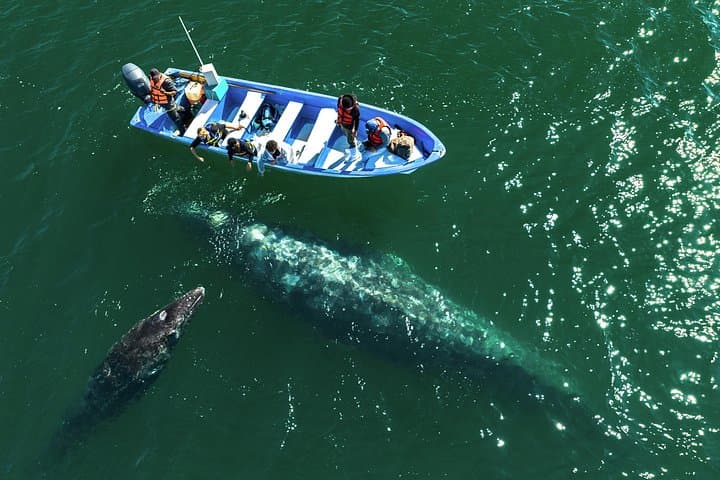
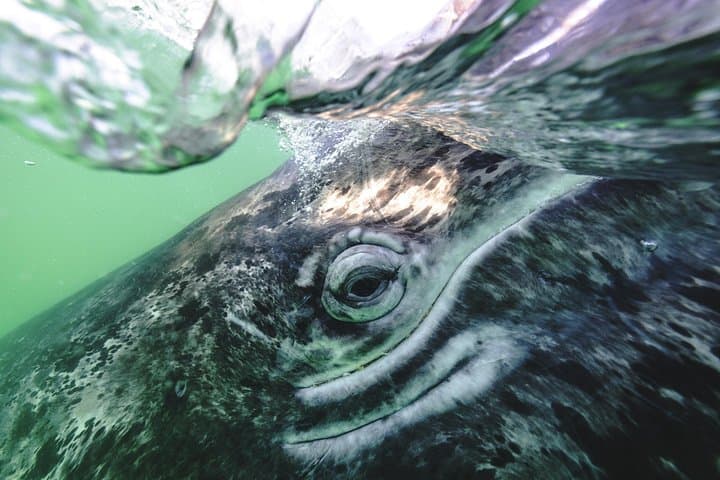
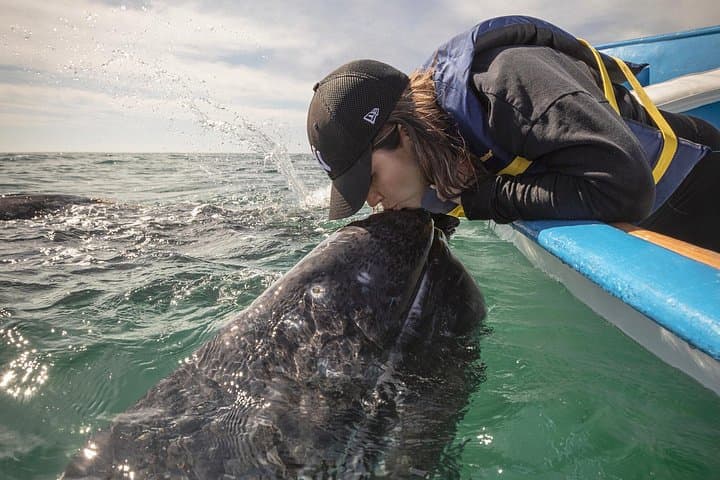
A cold morning fog lifts off the shallow lagoon and the first panga eases through glassy water, engines low. Within minutes a mottled gray flank breaks the surface and a calf inches close as if curious about the boat; the whole bay holds its breath. San Ignacio Lagoon is where Eastern Pacific gray whales come to mate and birth, and the encounters feel personal—whales will approach the pangas, rolling and nudging, their barnacled skin catching the low light.
Verified experiences and guided adventures in the surrounding area.
Operated by Baja Expeditions (BSK) · San Ignacio, Baja California Sur
A cold morning fog lifts off the shallow lagoon and the first panga eases through glassy water, engines low. Within minutes a mottled gray flank breaks the surface and a calf inches close as if curious about the boat; the whole bay holds its breath. San Ignacio Lagoon is where Eastern Pacific gray whales come to mate and birth, and the encounters feel personal—whales will approach the pangas, rolling and nudging, their barnacled skin catching the low light.
The lagoon sits inside the Vizcaíno Biosphere Reserve, a UNESCO-protected system carved by tectonics and punctuated by sand flats and mangrove channels. The surrounding desert and nearby sierras frame the water, and local fishing and ranching communities, plus conservation groups, have shaped a tourism model focused on respectful viewing. Operators work under strict rules: limited panga time near animals (usually 90 minutes per session) and designated viewing zones to protect mothers and calves.
Practically, tours run mid-January to early April, with multi-day options from 4–12 days that combine guided whale excursions with glamping—heated tents with ensuite bathrooms, meals included, and optional activities like kayaking, birding, mountain biking, or a community visit for turtle conservation. Expect early mornings and calm water; dress in layers, bring sunscreen, sea-sickness remedies if prone, and binoculars. Flights or transfers to the lagoon are typically arranged from Los Cabos, and many itineraries recommend booking return flights after mid-afternoon to avoid missed connections. For photographers and wildlife lovers, this is one of the most intimate whale-watching experiences available, provided visitors follow the guidelines that keep the animals safe and curious for generations to come.
easy.
4–12 days (itineraries vary).
Suitable for most fitness levels; expect short boat rides, gentle walks, and light optional activities.
Peak season runs mid-January through early April; January–March typically yields the highest density of mother-calf encounters.
Whales often approach within a few meters to investigate pangas, but operators enforce regulated distances and session times to avoid stressing animals.
Many packages include heated glamping tents with ensuite bathrooms, hot showers, and gourmet meals—comfortable but rustic and nature-focused.
Yes—operators generally classify the activity as suitable for all fitness levels, but note restrictions for pregnant travelers and those with serious back or heart issues.
The lagoon lies within the Vizcaíno Biosphere Reserve, an area long used by coastal communities and recognized for its ecological importance since UNESCO designation.
Operators follow strict protocols—zoning, time limits, and naturalist oversight—to minimize disturbance; choosing licensed guides supports local conservation and community programs.
Baja Expeditions (BSK) operates guided outdoor trips and adventures with an emphasis on safety, stewardship, and memorable experiences.

A cold morning fog lifts off the shallow lagoon and the first panga eases through glassy water, engines low. Within minutes a mottled gray flank breaks the surface and a calf inches close as if curious about the boat; the whole bay holds its breath. San Ignacio Lagoon is where Eastern Pacific gray whales come to mate and birth, and the encounters feel personal—whales will approach the pangas, rolling and nudging, their barnacled skin catching the low light.
A cold morning fog lifts off the shallow lagoon and the first panga eases through glassy water, engines low. Within minutes a mottled gray flank breaks the surface and a calf inches close as if curious about the boat; the whole bay holds its breath. San Ignacio Lagoon is where Eastern Pacific gray whales come to mate and birth, and the encounters feel personal—whales will approach the pangas, rolling and nudging, their barnacled skin catching the low light.
The lagoon sits inside the Vizcaíno Biosphere Reserve, a UNESCO-protected system carved by tectonics and punctuated by sand flats and mangrove channels. The surrounding desert and nearby sierras frame the water, and local fishing and ranching communities, plus conservation groups, have shaped a tourism model focused on respectful viewing. Operators work under strict rules: limited panga time near animals (usually 90 minutes per session) and designated viewing zones to protect mothers and calves.
Practically, tours run mid-January to early April, with multi-day options from 4–12 days that combine guided whale excursions with glamping—heated tents with ensuite bathrooms, meals included, and optional activities like kayaking, birding, mountain biking, or a community visit for turtle conservation. Expect early mornings and calm water; dress in layers, bring sunscreen, sea-sickness remedies if prone, and binoculars. Flights or transfers to the lagoon are typically arranged from Los Cabos, and many itineraries recommend booking return flights after mid-afternoon to avoid missed connections. For photographers and wildlife lovers, this is one of the most intimate whale-watching experiences available, provided visitors follow the guidelines that keep the animals safe and curious for generations to come.