THE ADVENTURE COLLECTIVE® · Independent discovery and booking for outdoor travel

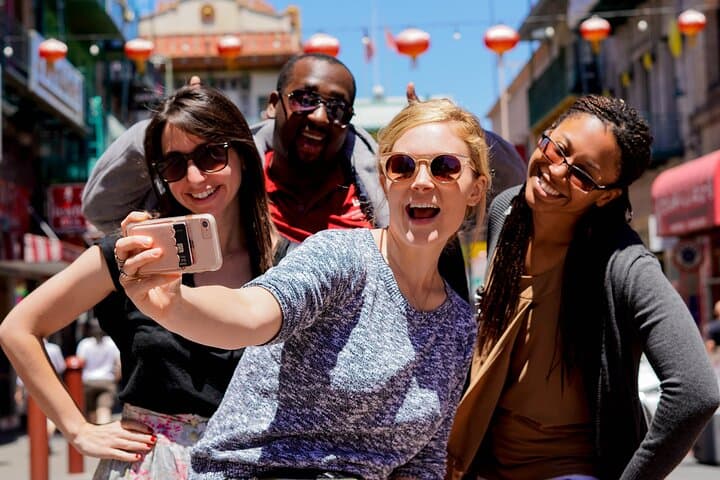
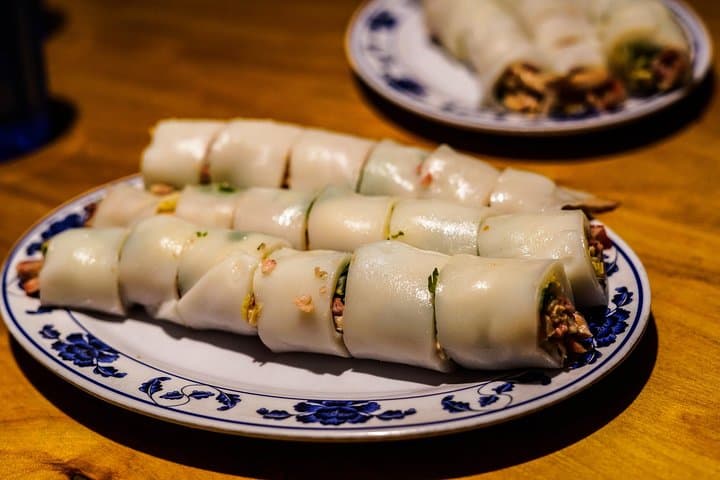
Explore San Francisco’s historic Chinatown on a guided three-hour food walk that pairs a grand dim sum meal with tea education, a fortune cookie factory visit, and neighborhood history. The route mixes busy alleys, heritage bakeries, and a relaxed tea tasting.
Explore San Francisco’s historic Chinatown on a guided three-hour food walk that pairs a grand dim sum meal with tea education, a fortune cookie factory visit, and neighborhood history. The route mixes busy alleys, heritage bakeries, and a relaxed tea tasting.
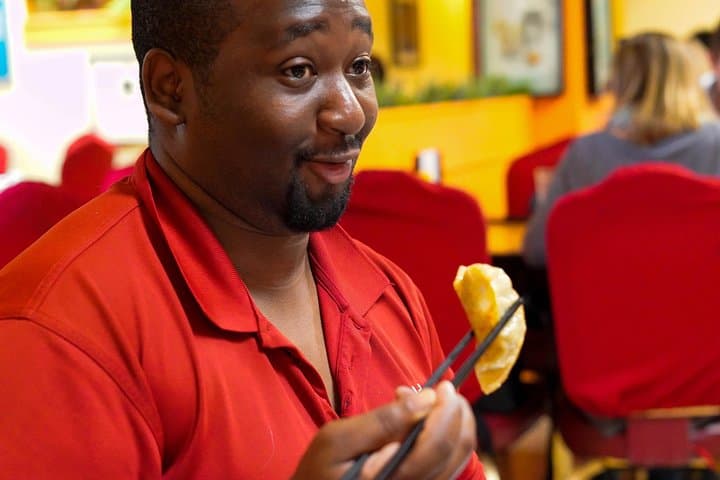
Steam rises from stacked bamboo steamers as the group steps off the curb and into a maze of alleys where neon signs lean close enough to whisper. The guide threads stories between bites — Gold Rush arrivals, the resilience after the 1906 quake, and how Cantonese flavors anchored a neighborhood that still hums with Cantonese and Taishanese dialects.
Verified experiences and guided adventures in the surrounding area.
Operated by Stretchy Pants LLC · San Francisco, California
Steam rises from stacked bamboo steamers as the group steps off the curb and into a maze of alleys where neon signs lean close enough to whisper. The guide threads stories between bites — Gold Rush arrivals, the resilience after the 1906 quake, and how Cantonese flavors anchored a neighborhood that still hums with Cantonese and Taishanese dialects.
Chinatown sits on fill and bedrock where the city’s hills descend toward the bay; its streets tell both geological and human history — narrow lanes shaped by commerce, buildings rebuilt after seismic upheaval, and small temples squeezed between storefronts. Passages like Ross Alley reveal working bakeries and the modest machinery of fortune cookie production, while Waverly Place’s tiny shrines mark layers of immigrant faith.
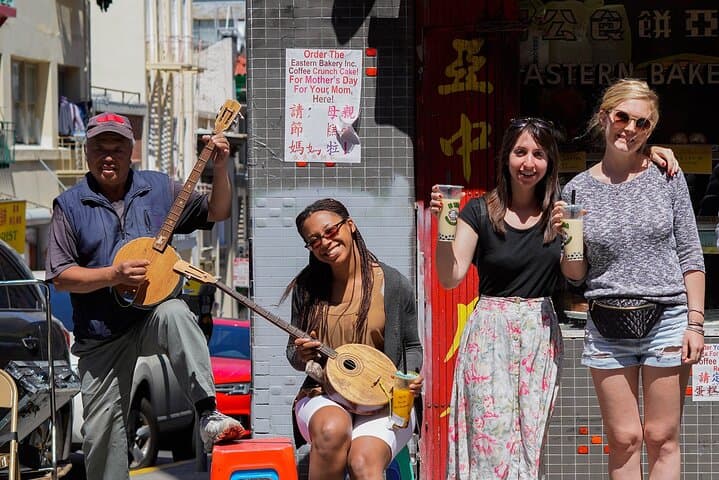
This three-hour walk balances tasting with context: a dim sum feast, a pastry stop at a heritage bakery, a 30-minute tea tasting that covers brewing basics, and a visit inside a fortune cookie workshop. Expect uneven sidewalks, short stairways, and bursts of crowd noise; the pace is relaxed but continuous, about 1.5–2 miles total.
Practical notes: meet by the stated corner, come with cash for small vendors, and flag dietary needs when booking. Wear comfortable shoes for cobblestone-like patches and bring a light layer—San Francisco’s microclimates can turn cool and foggy in minutes. The tour suits curious eaters who want history with their meal and a guided route through one of America’s oldest Chinatowns.
easy.
3 hours.
Suitable for most fitness levels; requires steady walking and ability to manage short stair sections
The experience runs three hours and covers roughly 1.5–2 miles at a relaxed, continuous pace with frequent food stops.
Yes — vegetarian options are available but must be indicated at booking so the kitchen can prepare appropriate dishes.
Strollers can be used in many parts of the route, but the tour includes uneven sidewalks and short stairs; it is not recommended for guests with limited mobility without prior discussion.
The meeting point is the listed corner outside the starting location (look for the company logo); the tour ends roughly five blocks from the start—details provided on booking confirmation.
San Francisco’s Chinatown grew during the Gold Rush era and solidified as a cultural and commercial hub despite exclusionary federal policies and the 1906 earthquake’s disruption.
Support local businesses by minimizing waste (bring a reusable bottle and bag) and follow cultural site etiquette; small businesses rely on respectful tourism.
Stretchy Pants LLC operates guided outdoor trips and adventures with an emphasis on safety, stewardship, and memorable experiences.
Steam rises from stacked bamboo steamers as the group steps off the curb and into a maze of alleys where neon signs lean close enough to whisper. The guide threads stories between bites — Gold Rush arrivals, the resilience after the 1906 quake, and how Cantonese flavors anchored a neighborhood that still hums with Cantonese and Taishanese dialects.
Steam rises from stacked bamboo steamers as the group steps off the curb and into a maze of alleys where neon signs lean close enough to whisper. The guide threads stories between bites — Gold Rush arrivals, the resilience after the 1906 quake, and how Cantonese flavors anchored a neighborhood that still hums with Cantonese and Taishanese dialects.
Chinatown sits on fill and bedrock where the city’s hills descend toward the bay; its streets tell both geological and human history — narrow lanes shaped by commerce, buildings rebuilt after seismic upheaval, and small temples squeezed between storefronts. Passages like Ross Alley reveal working bakeries and the modest machinery of fortune cookie production, while Waverly Place’s tiny shrines mark layers of immigrant faith.
This three-hour walk balances tasting with context: a dim sum feast, a pastry stop at a heritage bakery, a 30-minute tea tasting that covers brewing basics, and a visit inside a fortune cookie workshop. Expect uneven sidewalks, short stairways, and bursts of crowd noise; the pace is relaxed but continuous, about 1.5–2 miles total.
Practical notes: meet by the stated corner, come with cash for small vendors, and flag dietary needs when booking. Wear comfortable shoes for cobblestone-like patches and bring a light layer—San Francisco’s microclimates can turn cool and foggy in minutes. The tour suits curious eaters who want history with their meal and a guided route through one of America’s oldest Chinatowns.