THE ADVENTURE COLLECTIVE® · Independent discovery and booking for outdoor travel

A full-day loop from San Cristóbal takes travelers to the turquoise cascades of Agua Azul, the dramatic drop at Misol‑Ha, and the shaded plazas of Palenque—an 18‑hour day that mixes geology, jungle, and Classic Maya history. Learn what to expect and how to prepare.
A full-day loop from San Cristóbal takes travelers to the turquoise cascades of Agua Azul, the dramatic drop at Misol‑Ha, and the shaded plazas of Palenque—an 18‑hour day that mixes geology, jungle, and Classic Maya history. Learn what to expect and how to prepare.
Morning light spills across the highland road as a small convoy leaves San Cristóbal de las Casas, the mountains behind folding into cloud. The day peels open with turquoise pools at Agua Azul—water daring you along stepped limestone channels—then pivots to the thunder of Misol-Ha plunging through a curtain of green, and finally to the shaded stone streets and vaulted temples of Palenque. The route stitches together Chiapas’s geology: limestone karst that channels waterfall terraces, humid lowland forest that feeds plunging falls, and the flinty sandstone platforms of Classic Maya construction.
Verified experiences and guided adventures in the surrounding area.
Operated by Servicios Turisticos Diamart · San Cristóbal de las Casas, Chiapas
Morning light spills across the highland road as a small convoy leaves San Cristóbal de las Casas, the mountains behind folding into cloud. The day peels open with turquoise pools at Agua Azul—water daring you along stepped limestone channels—then pivots to the thunder of Misol-Ha plunging through a curtain of green, and finally to the shaded stone streets and vaulted temples of Palenque. The route stitches together Chiapas’s geology: limestone karst that channels waterfall terraces, humid lowland forest that feeds plunging falls, and the flinty sandstone platforms of Classic Maya construction.
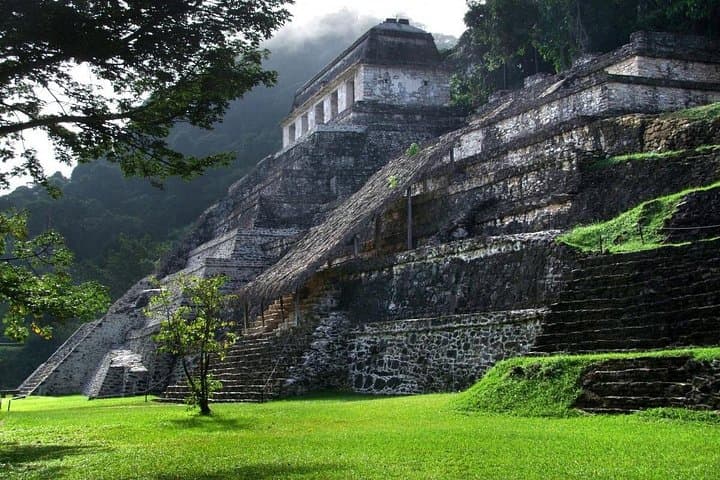
Palenque rose in the 7th–9th centuries CE; its temples and the Temple of the Inscriptions reveal a courtly, ritual culture set against an encroaching jungle. Agua Azul’s mineral-rich cascades get their color from calcite deposits, while Misol-Ha offers a viewpoint from behind the falling sheet—so bring a light waterproof layer. Cultural notes: local Tzotzil and Tzeltal communities maintain crafts and food stops along the route; expect roadside markets selling woven textiles and fresh tamales.
Practical guidance: this is a long shared day (about 18 hours door-to-door) with multiple short walks—tickets included, guide limited at the ruins. Expect uneven steps, slick rock near water, and periods on the bus; carry water, sturdy shoes, sun protection, and some cash for markets. Early starts and pacing make the day manageable; time your visit in the dry season to minimize trail mud and maximize visibility in the ruins.
moderate.
18 hours.
Moderate fitness: able to handle multiple short hikes, stairs, and a full day on the move.
The tour provides transport and entrance tickets; a dedicated archaeologist guide inside Palenque is not included—hire a local guide at the site if you want an in-depth interpretive visit.
Expect several short walks and stairs at each site; the day is long (about 18 hours) but no technical climbing is required—moderate fitness recommended.
Swimming rules vary by season and site management; parts of Agua Azul are sometimes open for wading but follow posted signs and staff directions for safety.
Transport and some viewing areas are listed as wheelchair accessible, but waterfall trails and ruin platforms include steps and uneven terrain that may limit access to certain viewpoints.
Palenque was a major Classic Maya city (7th–9th centuries CE), known for its royal inscriptions and the tomb of Pakal the Great.
High visitor numbers impact fragile limestone terraces and jungle edges—stick to marked paths, avoid single‑use plastics, and support local vendors to benefit communities.
Servicios Turisticos Diamart operates guided outdoor trips and adventures with an emphasis on safety, stewardship, and memorable experiences.
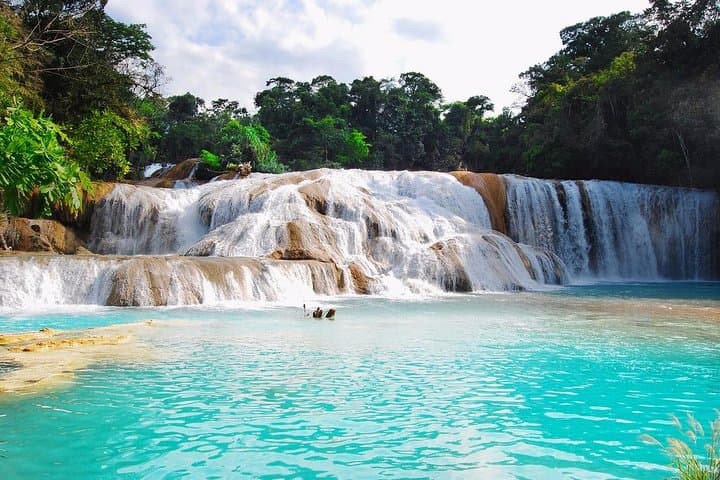
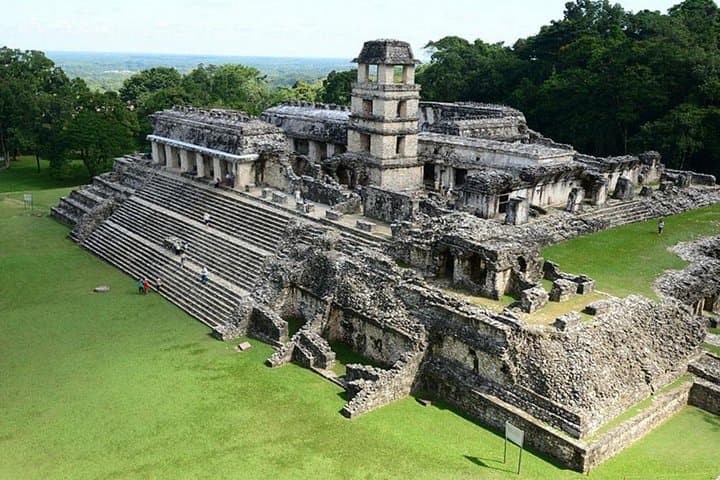
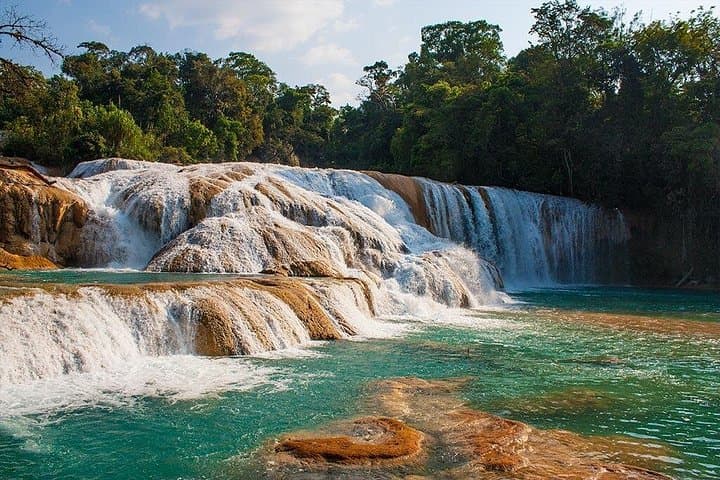
Morning light spills across the highland road as a small convoy leaves San Cristóbal de las Casas, the mountains behind folding into cloud. The day peels open with turquoise pools at Agua Azul—water daring you along stepped limestone channels—then pivots to the thunder of Misol-Ha plunging through a curtain of green, and finally to the shaded stone streets and vaulted temples of Palenque. The route stitches together Chiapas’s geology: limestone karst that channels waterfall terraces, humid lowland forest that feeds plunging falls, and the flinty sandstone platforms of Classic Maya construction.
Morning light spills across the highland road as a small convoy leaves San Cristóbal de las Casas, the mountains behind folding into cloud. The day peels open with turquoise pools at Agua Azul—water daring you along stepped limestone channels—then pivots to the thunder of Misol-Ha plunging through a curtain of green, and finally to the shaded stone streets and vaulted temples of Palenque. The route stitches together Chiapas’s geology: limestone karst that channels waterfall terraces, humid lowland forest that feeds plunging falls, and the flinty sandstone platforms of Classic Maya construction.
Palenque rose in the 7th–9th centuries CE; its temples and the Temple of the Inscriptions reveal a courtly, ritual culture set against an encroaching jungle. Agua Azul’s mineral-rich cascades get their color from calcite deposits, while Misol-Ha offers a viewpoint from behind the falling sheet—so bring a light waterproof layer. Cultural notes: local Tzotzil and Tzeltal communities maintain crafts and food stops along the route; expect roadside markets selling woven textiles and fresh tamales.
Practical guidance: this is a long shared day (about 18 hours door-to-door) with multiple short walks—tickets included, guide limited at the ruins. Expect uneven steps, slick rock near water, and periods on the bus; carry water, sturdy shoes, sun protection, and some cash for markets. Early starts and pacing make the day manageable; time your visit in the dry season to minimize trail mud and maximize visibility in the ruins.