THE ADVENTURE COLLECTIVE® · Independent discovery and booking for outdoor travel

Spend a long day island-hopping from Panamá City to the Guna Yala archipelago: white sand beaches, the Starfish Bank, a snorkel by a sunken ship and a chance to buy molas from Guna artisans. Early pickup and a mandatory Guna fee are part of the practical details.
Spend a long day island-hopping from Panamá City to the Guna Yala archipelago: white sand beaches, the Starfish Bank, a snorkel by a sunken ship and a chance to buy molas from Guna artisans. Early pickup and a mandatory Guna fee are part of the practical details.
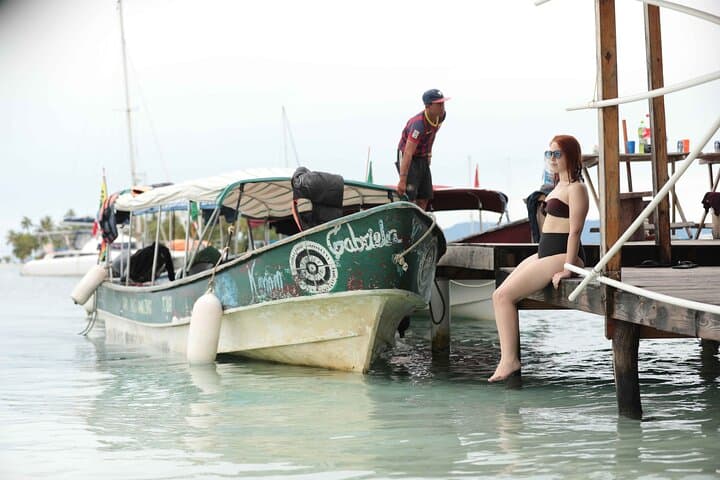
You step aboard before dawn as Panama City dwindles into a smudge of lights and the Atlantic opens ahead—salt and wind filling the air, the boat’s wake carving a path between coral-dotted shoals.
Verified experiences and guided adventures in the surrounding area.
Operated by Event Plus Panama, S.A. · Panamá City, Guna Yala
You step aboard before dawn as Panama City dwindles into a smudge of lights and the Atlantic opens ahead—salt and wind filling the air, the boat’s wake carving a path between coral-dotted shoals.
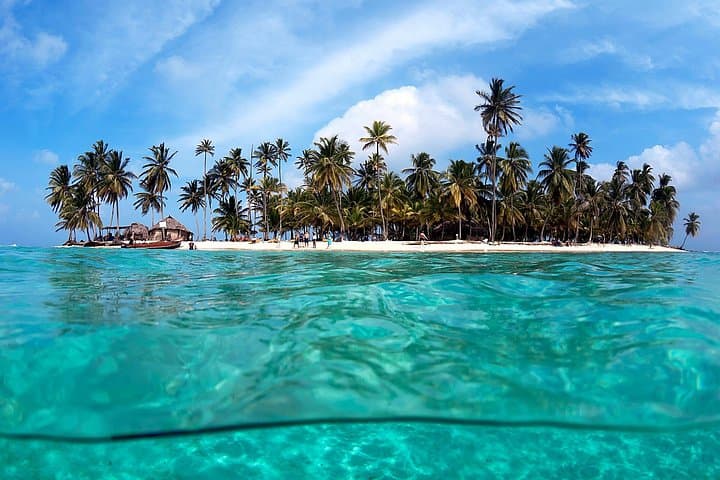
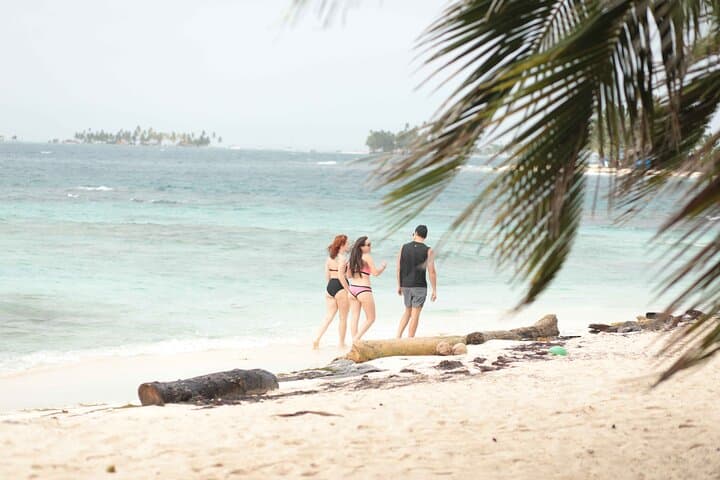
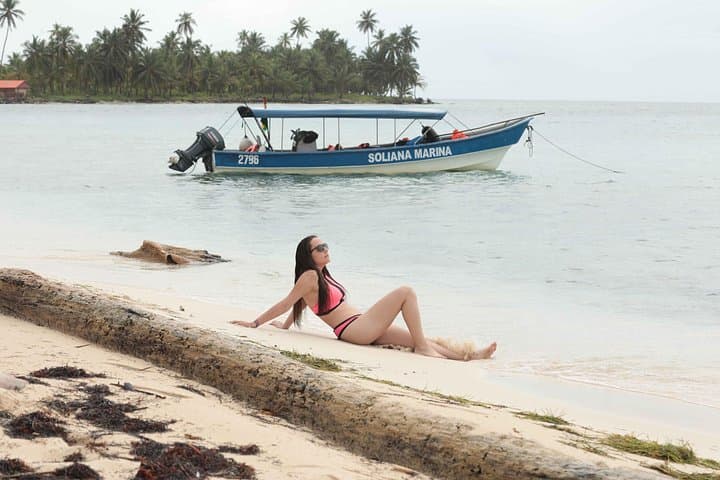
The San Blas archipelago (Guna Yala) spans hundreds of low coral islands and mangrove keys formed by reef and current. The Guna people have managed these islands for generations; their canoe routes, crafts and autonomous governance shape daily life here. Geologically the islands are reef platforms sitting on tectonically uplifted substrates; their beaches are narrow ribbons of coral sand and seagrass.
On a typical day tour you visit two islands, swim the shallow Starfish Bank where brittle stars cluster in clear shallows, and snorkel near a sunken ship that attracts tang and parrotfish. Guna artisans often sell molas—layered textile panels—direct from their workshops; bargaining is straightforward and cash-friendly. Infrastructure is intentionally minimal: think shade palapas rather than boutiques.
Practical edge: expect a long day—pickup around 5:15 a.m., return after sunset on some schedules—and carry your passport for Guna border control. Bring reef-safe sunscreen, a dry bag for electronics, and small bills for the mandatory Guna fee (about $22) and handicrafts. Be mindful of currents when swimming and do not handle starfish or corals; local guides enforce low-impact rules. Timing matters—calmer seas in the dry season make island-hopping easier—so plan for sea conditions and motion-sickness remedies if you’re prone to them.
easy.
12–13 hours.
Basic stamina for boarding boats and brief beach walks; suitable for most fitness levels
Yes—Guna Yala is an autonomous territory and ID/passport control is conducted; bring the original passport.
No—the Guna fee (approximately $22 per person) is not included and is usually collected on arrival to the islands.
Yes—guides typically take groups to shallow starfish areas and nearby snorkeling sites; do not touch or remove starfish.
A traditional lunch is included on most full-day tours, often featuring fish, rice and local sides; bring snacks and extra water if you prefer.
The Guna people have long governed Guna Yala with a communal system that predates Panama’s modern borders; their culture is visible in language, craft and maritime routes.
Guna communities emphasize low-impact tourism and protect starfish and reefs; visitors are asked not to touch marine life and to avoid single-use plastics.
Event Plus Panama, S.A. operates guided outdoor trips and adventures with an emphasis on safety, stewardship, and memorable experiences.
You step aboard before dawn as Panama City dwindles into a smudge of lights and the Atlantic opens ahead—salt and wind filling the air, the boat’s wake carving a path between coral-dotted shoals.
You step aboard before dawn as Panama City dwindles into a smudge of lights and the Atlantic opens ahead—salt and wind filling the air, the boat’s wake carving a path between coral-dotted shoals.
The San Blas archipelago (Guna Yala) spans hundreds of low coral islands and mangrove keys formed by reef and current. The Guna people have managed these islands for generations; their canoe routes, crafts and autonomous governance shape daily life here. Geologically the islands are reef platforms sitting on tectonically uplifted substrates; their beaches are narrow ribbons of coral sand and seagrass.
On a typical day tour you visit two islands, swim the shallow Starfish Bank where brittle stars cluster in clear shallows, and snorkel near a sunken ship that attracts tang and parrotfish. Guna artisans often sell molas—layered textile panels—direct from their workshops; bargaining is straightforward and cash-friendly. Infrastructure is intentionally minimal: think shade palapas rather than boutiques.
Practical edge: expect a long day—pickup around 5:15 a.m., return after sunset on some schedules—and carry your passport for Guna border control. Bring reef-safe sunscreen, a dry bag for electronics, and small bills for the mandatory Guna fee (about $22) and handicrafts. Be mindful of currents when swimming and do not handle starfish or corals; local guides enforce low-impact rules. Timing matters—calmer seas in the dry season make island-hopping easier—so plan for sea conditions and motion-sickness remedies if you’re prone to them.