THE ADVENTURE COLLECTIVE® · Independent discovery and booking for outdoor travel

Swap city lights for a private oceanfront cabin on the San Blas Islands. This 2-day escape blends simple island living, Guna culture, and coral-fringed snorkeling with practical tips for getting there and what to pack.
Swap city lights for a private oceanfront cabin on the San Blas Islands. This 2-day escape blends simple island living, Guna culture, and coral-fringed snorkeling with practical tips for getting there and what to pack.
The lancha cuts through glassy turquoise, spray daring you to lean forward as palm-fringed shorelines slide into view. Arrive at a single wooden pier and the rhythm changes: a slow, deliberate pace set by the tides and the Guna people who run the islands. A private oceanfront cabin sits steps from the surf—simple boards, a hammock, and the constant hush of waves.
Verified experiences and guided adventures in the surrounding area.
Operated by Tao Travel 365 · Cartí, Guna Yala
The lancha cuts through glassy turquoise, spray daring you to lean forward as palm-fringed shorelines slide into view. Arrive at a single wooden pier and the rhythm changes: a slow, deliberate pace set by the tides and the Guna people who run the islands. A private oceanfront cabin sits steps from the surf—simple boards, a hammock, and the constant hush of waves.
Geologically the San Blas archipelago is low limestone and coral outcrops atop the Caribbean shelf; islands are small, sandy, and exposed to trade winds. Culturally this is Guna Yala—autonomous territory where Kuna (Guna) customs shape daily life and tourism. Expect communal kitchens, fresh fried fish, and handcrafted molas for sale. Historically, the islands have long been a maritime people’s domain, their knowledge of currents and coral gardens keeping reefs productive and navigation precise.
Practically, this is a rustic overnight: limited electricity, basic shared bathrooms, and no ATMs. Transportation typically involves a 2.5–3 hour 4x4 transfer from Panama City to Cartí followed by a 25–40 minute boat ride; boats may stop at other cays en route. Snorkeling off the beach reveals shallow reefs; currents can be strong—wear a reef-safe sunscreen and a leash on fins.
Plan to bring cash, original passport for the Guna border, motion-sickness medication if needed, insect repellent, and minimal luggage that can get wet. Check pickup times closely (early morning starts) and arrive with patience and respect—the reward is uncluttered Caribbean sea, generous local hospitality, and a rare night under island stars.
easy.
1.5–2 days.
Suitable for travelers in average physical condition; able to climb boat ladders and walk on uneven sandy paths.
Yes—bring your original passport for the Kuna border check and island check-in; photocopies are not accepted.
Limited—generators may provide power for a few hours each evening; plan to charge devices in the main house and bring portable batteries.
No—drones are illegal in Guna Yala and heavy fines are enforced; respect local regulations.
Meals listed (breakfast, lunch, dinner) are included; bottled water and extra drinks or special items may cost extra—bring cash.
Guna Yala (formerly Kuna Yala) is autonomous territory of the Guna people, whose coastal knowledge and crafts like mola textiles shape island life.
Plastic and marine debris arrive with currents; the Guna lead regular beach cleanups—bring reusable bottles and pack out what you bring in.
Tao Travel 365 operates guided outdoor trips and adventures with an emphasis on safety, stewardship, and memorable experiences.
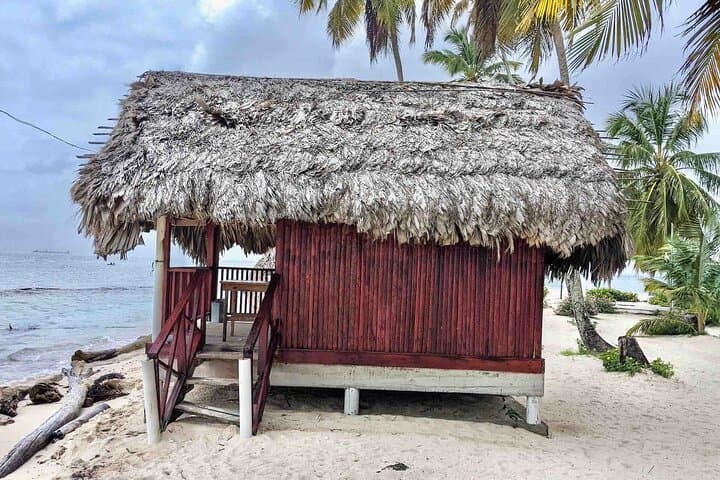
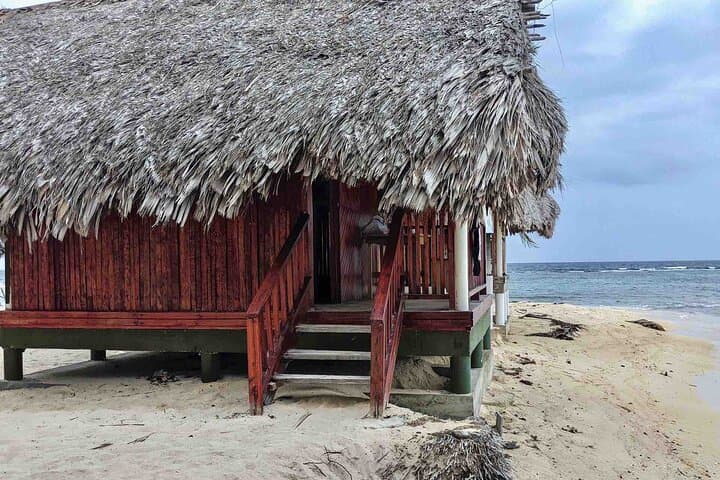
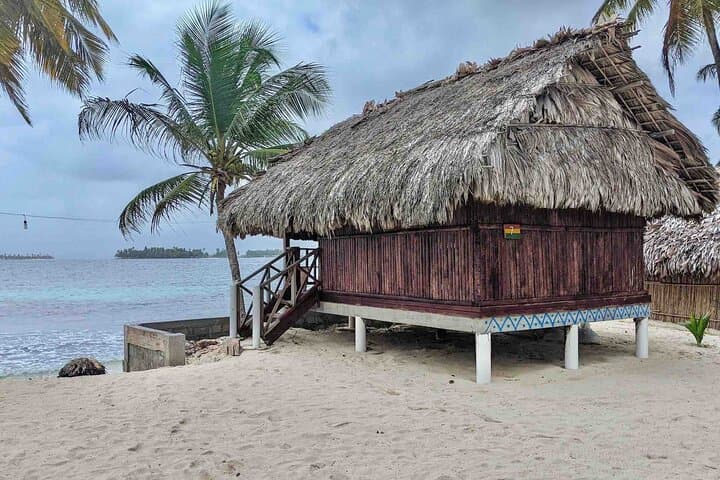
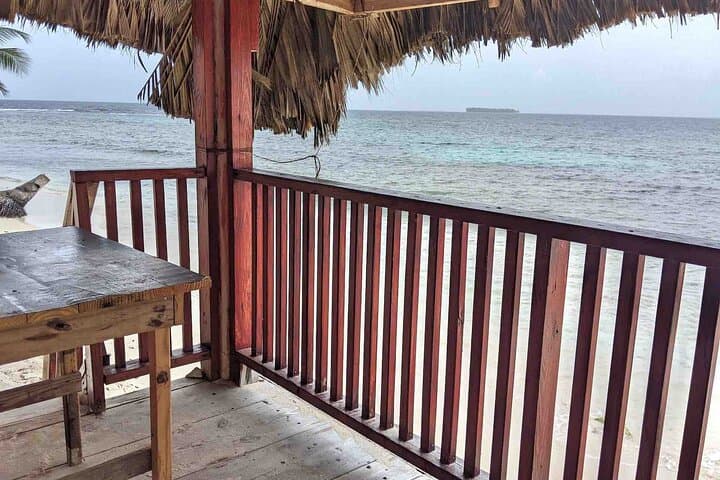
The lancha cuts through glassy turquoise, spray daring you to lean forward as palm-fringed shorelines slide into view. Arrive at a single wooden pier and the rhythm changes: a slow, deliberate pace set by the tides and the Guna people who run the islands. A private oceanfront cabin sits steps from the surf—simple boards, a hammock, and the constant hush of waves.
The lancha cuts through glassy turquoise, spray daring you to lean forward as palm-fringed shorelines slide into view. Arrive at a single wooden pier and the rhythm changes: a slow, deliberate pace set by the tides and the Guna people who run the islands. A private oceanfront cabin sits steps from the surf—simple boards, a hammock, and the constant hush of waves.
Geologically the San Blas archipelago is low limestone and coral outcrops atop the Caribbean shelf; islands are small, sandy, and exposed to trade winds. Culturally this is Guna Yala—autonomous territory where Kuna (Guna) customs shape daily life and tourism. Expect communal kitchens, fresh fried fish, and handcrafted molas for sale. Historically, the islands have long been a maritime people’s domain, their knowledge of currents and coral gardens keeping reefs productive and navigation precise.
Practically, this is a rustic overnight: limited electricity, basic shared bathrooms, and no ATMs. Transportation typically involves a 2.5–3 hour 4x4 transfer from Panama City to Cartí followed by a 25–40 minute boat ride; boats may stop at other cays en route. Snorkeling off the beach reveals shallow reefs; currents can be strong—wear a reef-safe sunscreen and a leash on fins.
Plan to bring cash, original passport for the Guna border, motion-sickness medication if needed, insect repellent, and minimal luggage that can get wet. Check pickup times closely (early morning starts) and arrive with patience and respect—the reward is uncluttered Caribbean sea, generous local hospitality, and a rare night under island stars.