THE ADVENTURE COLLECTIVE® · Independent discovery and booking for outdoor travel

Step off the coast road into San Basilio de Palenque, a living Palenquero community where freedom was forged and traditions survive in song, dance, and healers’ remedies. This half-day tour from Cartagena pairs cultural immersion with home-cooked lunch.
Step off the coast road into San Basilio de Palenque, a living Palenquero community where freedom was forged and traditions survive in song, dance, and healers’ remedies. This half-day tour from Cartagena pairs cultural immersion with home-cooked lunch.
You arrive from Cartagena as the road loosens its grip on the coast and the air changes—salt gives way to green, and a steady Caribbean breeze seems to dare you to slow down. The town square opens up with painted houses and the statue of Benkos Biojó watching over people who still speak Palenquero, an Afro-Caribbean creole. Dance beats float from a nearby school; drums press the pulse of a community that refused bondage and kept its stories loud.
Verified experiences and guided adventures in the surrounding area.
Operated by Orlando's Tours and Services · San Basilio de Palenque, Bolívar
You arrive from Cartagena as the road loosens its grip on the coast and the air changes—salt gives way to green, and a steady Caribbean breeze seems to dare you to slow down. The town square opens up with painted houses and the statue of Benkos Biojó watching over people who still speak Palenquero, an Afro-Caribbean creole. Dance beats float from a nearby school; drums press the pulse of a community that refused bondage and kept its stories loud.
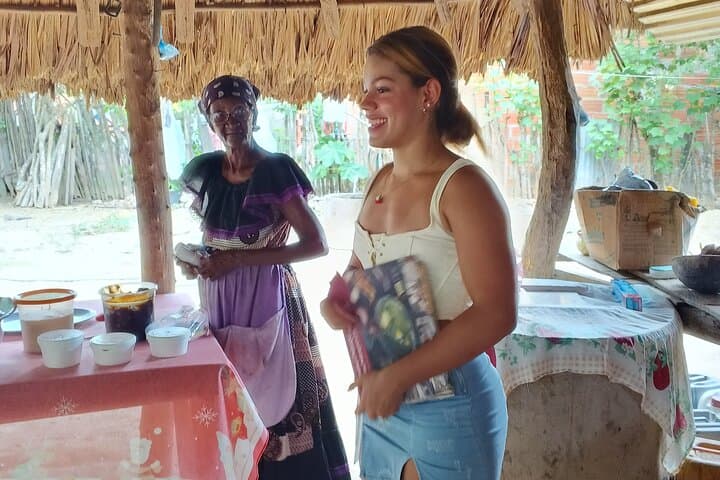
San Basilio de Palenque is widely recognized as the first free town in the Americas, founded by escaped enslaved people in the 17th century. The village’s layout, vernacular houses, and healing traditions reflect West African roots blended with Colombian coastal life. You'll visit the Culture House to see replicas of older home construction, meet elders who practice plant-based healing, watch conga-style dances and learn steps, and taste coconut mojarra with coconut rice—local food shaped by the mangrove-lined estuaries and fishing life.
Practical guidance: the tour runs about six hours, often including private, air-conditioned transport from Cartagena; expect unpaved streets and short walks between stops. Carry water, sun protection, and mosquito repellent; ask before photographing people and offer small local purchases or tips for performers. Wear sturdy closed shoes for uneven cobbles and be prepared for sudden showers—this is humid coastal Colombia. The visit is cultural rather than strenuous, best taken with curiosity, respect, and a readiness to listen: the town’s elders are the guides to its past and present.
easy.
6 hours.
Suitable for most fitness levels; involves short, flat walks around town and standing during demonstrations.
Most tours include private, air-conditioned transport from Cartagena; independent travelers can take organized transfers or arrange a taxi for the roughly 45–60 minute drive depending on traffic.
Yes—this tour includes lunch, typically a home-cooked meal such as fried mojarra in coconut sauce, coconut rice, salad, and panela water, showcasing local coastal flavors.
Yes—activities are family-friendly, but introductions to healers are observational and require respectful behavior; children should be supervised around cooking or performance areas.
Accessibility is limited by unpaved streets and historic buildings; some community spaces are flat but wheelchair access can be inconsistent—check with the operator in advance.
San Basilio de Palenque was founded by escaped enslaved Africans and recognized for preserving African-derived language, music, and traditions; Benkos Biojó is a central historical figure.
Visitors should minimize plastic waste, stick to marked paths in village areas, and support local artisans to keep cultural economies sustainable.
Orlando's Tours and Services operates guided outdoor trips and adventures with an emphasis on safety, stewardship, and memorable experiences.
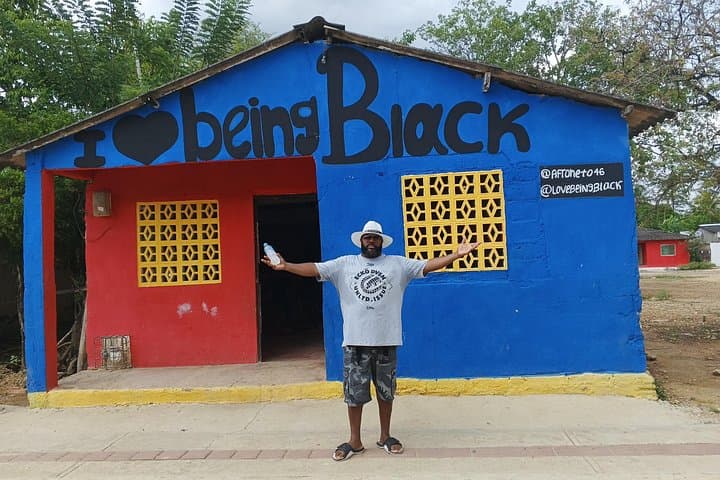
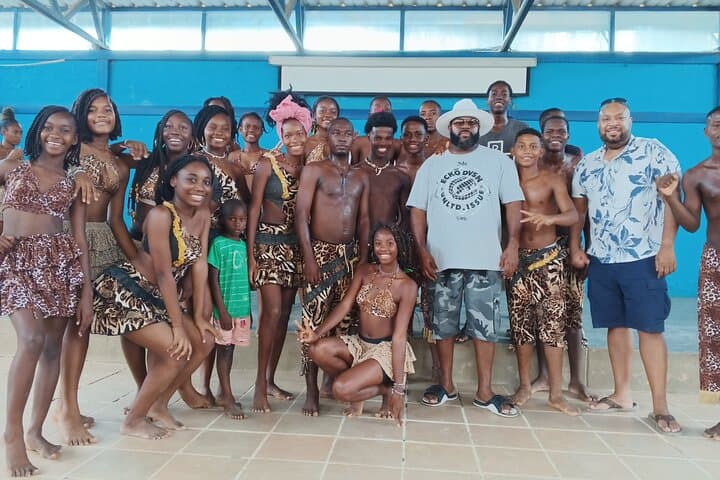
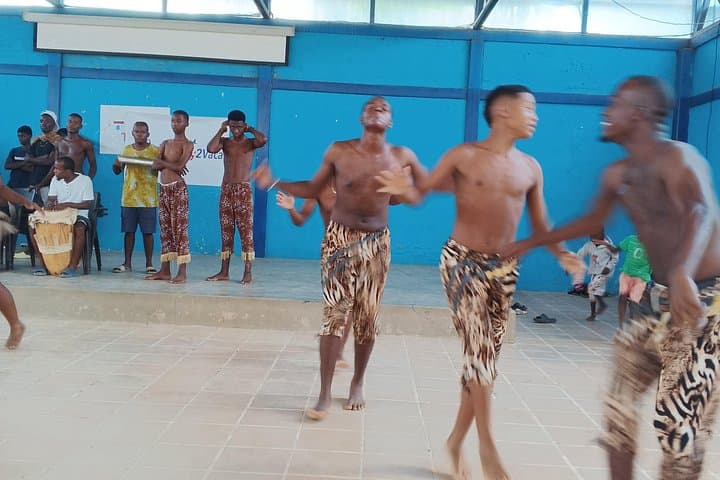
You arrive from Cartagena as the road loosens its grip on the coast and the air changes—salt gives way to green, and a steady Caribbean breeze seems to dare you to slow down. The town square opens up with painted houses and the statue of Benkos Biojó watching over people who still speak Palenquero, an Afro-Caribbean creole. Dance beats float from a nearby school; drums press the pulse of a community that refused bondage and kept its stories loud.
You arrive from Cartagena as the road loosens its grip on the coast and the air changes—salt gives way to green, and a steady Caribbean breeze seems to dare you to slow down. The town square opens up with painted houses and the statue of Benkos Biojó watching over people who still speak Palenquero, an Afro-Caribbean creole. Dance beats float from a nearby school; drums press the pulse of a community that refused bondage and kept its stories loud.
San Basilio de Palenque is widely recognized as the first free town in the Americas, founded by escaped enslaved people in the 17th century. The village’s layout, vernacular houses, and healing traditions reflect West African roots blended with Colombian coastal life. You'll visit the Culture House to see replicas of older home construction, meet elders who practice plant-based healing, watch conga-style dances and learn steps, and taste coconut mojarra with coconut rice—local food shaped by the mangrove-lined estuaries and fishing life.
Practical guidance: the tour runs about six hours, often including private, air-conditioned transport from Cartagena; expect unpaved streets and short walks between stops. Carry water, sun protection, and mosquito repellent; ask before photographing people and offer small local purchases or tips for performers. Wear sturdy closed shoes for uneven cobbles and be prepared for sudden showers—this is humid coastal Colombia. The visit is cultural rather than strenuous, best taken with curiosity, respect, and a readiness to listen: the town’s elders are the guides to its past and present.