THE ADVENTURE COLLECTIVE® · Independent discovery and booking for outdoor travel

Experience the living history of San Basilio de Palenque with a bilingual native guide—visit the Benkos Biohó monument, hear Palenquera drumming, and learn ancestral plant medicine. This 4–5 hour cultural immersion pairs storytelling with hands-on demonstrations.
Experience the living history of San Basilio de Palenque with a bilingual native guide—visit the Benkos Biohó monument, hear Palenquera drumming, and learn ancestral plant medicine. This 4–5 hour cultural immersion pairs storytelling with hands-on demonstrations.
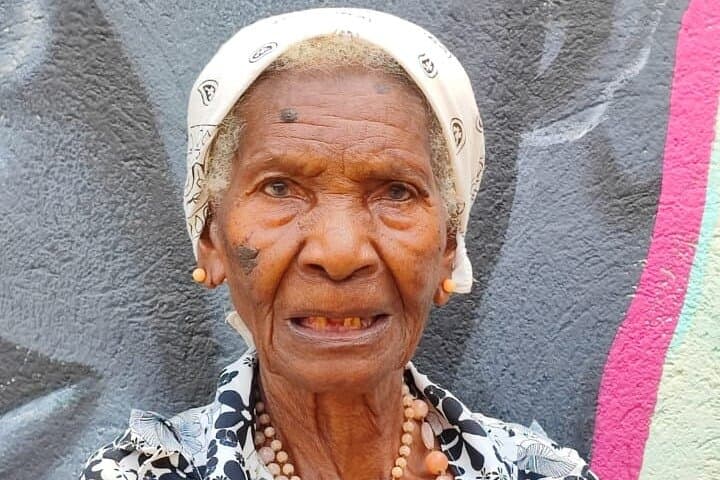
You arrive on a sun-warmed lane and the air carries drums—first a pulse, then a rhythm that seems to guide each step through San Basilio de Palenque. Colorful wooden houses lean toward the street; voices call in Palenquero, a Creole language that survived slavery and became the town’s living archive. The day unfolds like a conversation with history.
Verified experiences and guided adventures in the surrounding area.
Operated by Unique Travel Colombia · San Basilio de Palenque, Bolívar
You arrive on a sun-warmed lane and the air carries drums—first a pulse, then a rhythm that seems to guide each step through San Basilio de Palenque. Colorful wooden houses lean toward the street; voices call in Palenquero, a Creole language that survived slavery and became the town’s living archive. The day unfolds like a conversation with history.
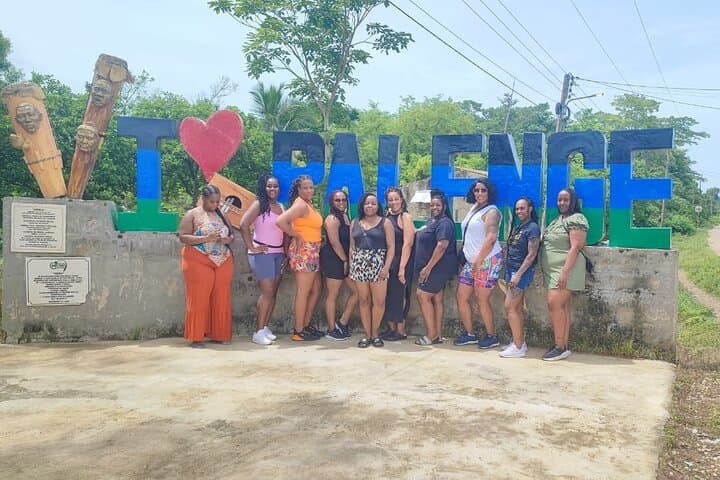
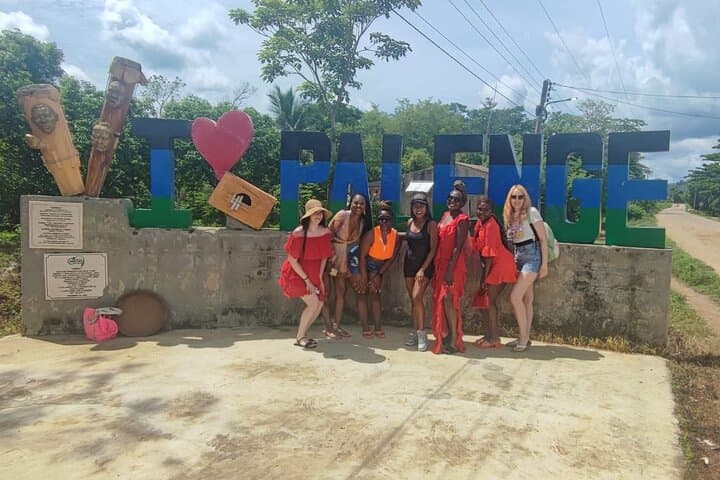
This community outside Cartagena is the birthplace of the first free African town in the Americas, founded in the 17th century by Benkos Biohó after he escaped captivity and organized resistance. The area’s low, flat geology—mangrove-lined waterways and fertile savanna—supported self-sufficient settlements and a continuity of African-derived culture: drumming, herbal medicine, and cuisine passed down through generations.
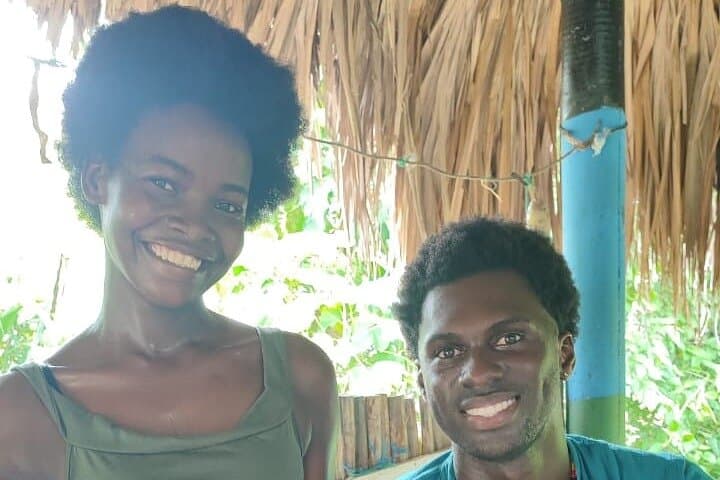
Your bilingual native guide translates stories and songs, shows medicinal plant uses, and opens doors to home museums and Casa Kombilesa Mi for live music and percussion demonstrations. You’ll see the Benkos Biohó monument and may visit a local boxing gym or a healer’s house to learn about plant remedies. Food is straightforward and hearty—local stews, sweets, and the occasional traditional liquor.
Practical notes: the tour is mostly low-impact walking on village streets; bring sun protection, a reusable bottle, and cash for small purchases and tips. The experience is weather-dependent; a light rain jacket helps in sudden tropical squalls. Expect a roughly 4–5 hour commitment including transport from Cartagena. This is a cultural immersion more than a sightseeing checklist: listen, ask, and let the rhythms of Palenque lead the day.
easy.
4–5 hours.
Suitable for most travelers who can manage short periods of walking and standing; minimal stamina required.
The full experience is approximately 4–5 hours and includes round-trip transport from Cartagena in an air-conditioned vehicle.
Yes — the tour is led by a bilingual native guide who speaks Palenquero, Spanish, and English to explain culture and history.
Yes; it’s classified as easy with mostly short walks on flat streets, though guests with cardiovascular issues should consult the operator.
Lunch and bottled water are included; notify the operator of dietary needs during booking so they can accommodate when possible.
San Basilio de Palenque was founded by escaped enslaved Africans in the 17th century and led by Benkos Biohó; it’s recognized for preserving African linguistic and cultural traditions in the Americas.
Visitors are encouraged to support local-led initiatives and buy directly from artisans; respect for community spaces and limited tour sizes helps reduce cultural and environmental impact.
Unique Travel Colombia operates guided outdoor trips and adventures with an emphasis on safety, stewardship, and memorable experiences.
You arrive on a sun-warmed lane and the air carries drums—first a pulse, then a rhythm that seems to guide each step through San Basilio de Palenque. Colorful wooden houses lean toward the street; voices call in Palenquero, a Creole language that survived slavery and became the town’s living archive. The day unfolds like a conversation with history.
You arrive on a sun-warmed lane and the air carries drums—first a pulse, then a rhythm that seems to guide each step through San Basilio de Palenque. Colorful wooden houses lean toward the street; voices call in Palenquero, a Creole language that survived slavery and became the town’s living archive. The day unfolds like a conversation with history.
This community outside Cartagena is the birthplace of the first free African town in the Americas, founded in the 17th century by Benkos Biohó after he escaped captivity and organized resistance. The area’s low, flat geology—mangrove-lined waterways and fertile savanna—supported self-sufficient settlements and a continuity of African-derived culture: drumming, herbal medicine, and cuisine passed down through generations.
Your bilingual native guide translates stories and songs, shows medicinal plant uses, and opens doors to home museums and Casa Kombilesa Mi for live music and percussion demonstrations. You’ll see the Benkos Biohó monument and may visit a local boxing gym or a healer’s house to learn about plant remedies. Food is straightforward and hearty—local stews, sweets, and the occasional traditional liquor.
Practical notes: the tour is mostly low-impact walking on village streets; bring sun protection, a reusable bottle, and cash for small purchases and tips. The experience is weather-dependent; a light rain jacket helps in sudden tropical squalls. Expect a roughly 4–5 hour commitment including transport from Cartagena. This is a cultural immersion more than a sightseeing checklist: listen, ask, and let the rhythms of Palenque lead the day.