THE ADVENTURE COLLECTIVE® · Independent discovery and booking for outdoor travel

Roll sushi from scratch in a lively San Antonio tasting room with a local chef. In two hands-on hours you’ll learn rice seasoning, knife technique, tight rolling and the crunchy panko finish.
Roll sushi from scratch in a lively San Antonio tasting room with a local chef. In two hands-on hours you’ll learn rice seasoning, knife technique, tight rolling and the crunchy panko finish.
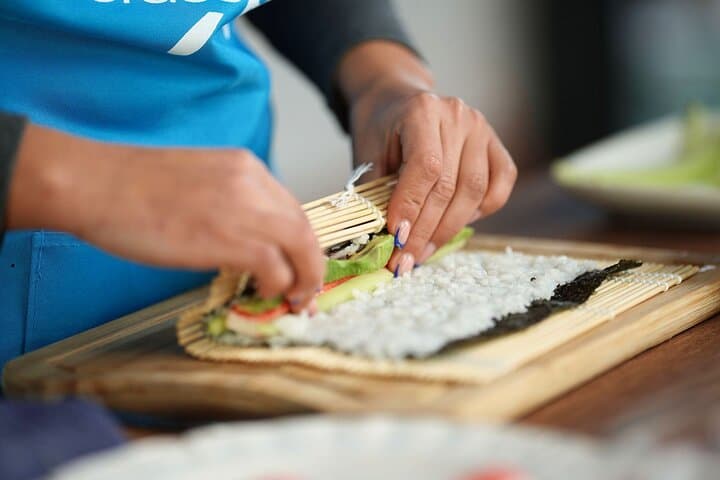
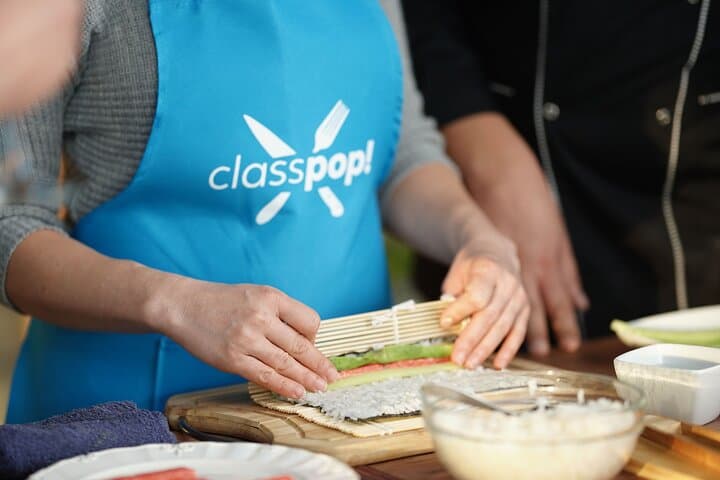
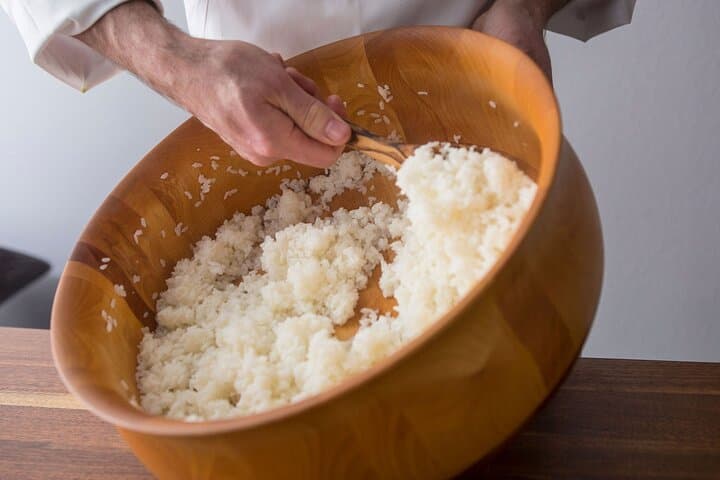
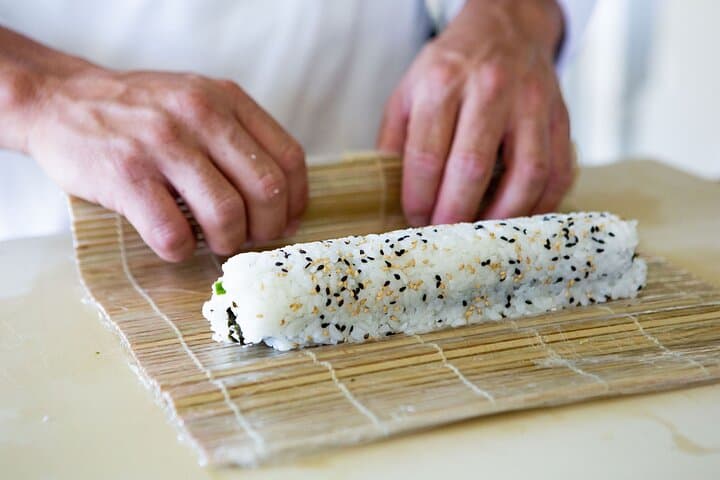
You step into a city tasting room where the hum of conversation meets the clean clink of metal bowls. The host greets the group, a slab of nori waiting like dark paper, short-grain rice steaming and fragrant with vinegar. In two hours you’ll move from rice to roll to a final crisp panko finish — fingers dusted with rice, a camera full of staged bites.
Verified experiences and guided adventures in the surrounding area.
Operated by Classpop! · San Antonio, Texas
You step into a city tasting room where the hum of conversation meets the clean clink of metal bowls. The host greets the group, a slab of nori waiting like dark paper, short-grain rice steaming and fragrant with vinegar. In two hours you’ll move from rice to roll to a final crisp panko finish — fingers dusted with rice, a camera full of staged bites.
San Antonio’s food scene grew from Spanish mission provisions and Tejano kitchens to a broad table that now includes Japanese technique and sushi bars. The class usually runs in a public brewery or craft bar space, reflecting the city’s comfortable mix of culinary cultures and repurposed industrial rooms. Geologically, the city sits on limestone of the Edwards Plateau; sinkholes and the San Antonio River shaped settlements and foodways along its banks, where markets and immigrant cooks exchanged ingredients.
Expect clear, practical instruction: how to season rice, slice avocado and fish safely, roll tight, and apply panko and spicy mayo for texture. The experience is social — work at shared stations and taste as you go. Practical guidance: arrive early to check in, flag dietary needs beforehand, and wear closed-toe shoes for kitchen comfort. Bring a phone or camera for photos and a small container for leftovers if you want to take them home.
This class suits beginners and curious cooks who want restaurant-quality technique without the pressure. It’s an efficient, hands-on evening that teaches skills you can reproduce at home while offering a taste of San Antonio’s evolving culinary identity.
easy.
2 hours.
Minimal physical exertion; standing and light food-prep movements required
No, the class is beginner-friendly — instructors teach basic knife handling and rolling techniques step by step.
Yes, hosts commonly accommodate vegetarian, vegan, and many allergies if you note them during booking or arrival.
Yes — sushi-grade fish (tuna or salmon) is typically provided; ask the host about sourcing if you have sustainability concerns.
Full refunds are typically available if you cancel at least 24 hours before the scheduled session; check your booking confirmation for specifics.
San Antonio’s culinary identity grew from mission-era provisioning and Mexican culinary traditions; in recent decades the city embraced global cuisines, including Japanese techniques adapted by local chefs.
Ask about fish sourcing and food-waste practices; many local hosts prioritize sustainable seafood and minimize waste through portioning and composting.
Classpop! operates guided outdoor trips and adventures with an emphasis on safety, stewardship, and memorable experiences.
You step into a city tasting room where the hum of conversation meets the clean clink of metal bowls. The host greets the group, a slab of nori waiting like dark paper, short-grain rice steaming and fragrant with vinegar. In two hours you’ll move from rice to roll to a final crisp panko finish — fingers dusted with rice, a camera full of staged bites.
You step into a city tasting room where the hum of conversation meets the clean clink of metal bowls. The host greets the group, a slab of nori waiting like dark paper, short-grain rice steaming and fragrant with vinegar. In two hours you’ll move from rice to roll to a final crisp panko finish — fingers dusted with rice, a camera full of staged bites.
San Antonio’s food scene grew from Spanish mission provisions and Tejano kitchens to a broad table that now includes Japanese technique and sushi bars. The class usually runs in a public brewery or craft bar space, reflecting the city’s comfortable mix of culinary cultures and repurposed industrial rooms. Geologically, the city sits on limestone of the Edwards Plateau; sinkholes and the San Antonio River shaped settlements and foodways along its banks, where markets and immigrant cooks exchanged ingredients.
Expect clear, practical instruction: how to season rice, slice avocado and fish safely, roll tight, and apply panko and spicy mayo for texture. The experience is social — work at shared stations and taste as you go. Practical guidance: arrive early to check in, flag dietary needs beforehand, and wear closed-toe shoes for kitchen comfort. Bring a phone or camera for photos and a small container for leftovers if you want to take them home.
This class suits beginners and curious cooks who want restaurant-quality technique without the pressure. It’s an efficient, hands-on evening that teaches skills you can reproduce at home while offering a taste of San Antonio’s evolving culinary identity.