THE ADVENTURE COLLECTIVE® · Independent discovery and booking for outdoor travel

Step off Tokyo's streets and into a compact dojo in Kojimachi to learn Bushido basics, wooden-sword technique, and one full combat kata. This two-hour, English-led class pairs practical drills with cultural context—perfect for travelers seeking an active, authentic encounter with samurai tradition.
Step off Tokyo's streets and into a compact dojo in Kojimachi to learn Bushido basics, wooden-sword technique, and one full combat kata. This two-hour, English-led class pairs practical drills with cultural context—perfect for travelers seeking an active, authentic encounter with samurai tradition.
The dojo feels compact and purposeful: wooden floors, a single wall of mirrors, and the muted slide of fabric as students don samurai attire. In Kojimachi, a short walk from the Imperial Palace grounds, the lesson begins with quiet breathing—an invitation to slow the city and tune a body built for movement.
Verified experiences and guided adventures in the surrounding area.
Operated by INTERNATIONAL GOSHIN-BUDO ASSOCIATION · Tokyo, Tokyo
The dojo feels compact and purposeful: wooden floors, a single wall of mirrors, and the muted slide of fabric as students don samurai attire. In Kojimachi, a short walk from the Imperial Palace grounds, the lesson begins with quiet breathing—an invitation to slow the city and tune a body built for movement.
Kojimachi sits on land once inside Edo Castle's defenses, where samurai refined technique and composure. The class threads history and practice: instructors outline Bushido principles, demonstrate kenjutsu forms, and guide beginners through wooden-sword basics and strength work with a heavy training stick.
Expect posture drills, silent walking to test balance and awareness, then a taught kata that ties strikes, footwork, and timing into a single sequence. The session culminates in controlled one-on-one sparring with an instructor, designed to apply technique safely rather than to win.
Between sets you'll sip matcha and try wagashi, a moment that underscores the cultural frame of the practice. Every participant leaves with a scroll-style certificate and a commemorative photo.
Practical notes: classes run two hours, conducted in English, and require a minimum of two participants. Wear flat-soled shoes or grip socks and clothing that allows rotation of the hips and shoulders. If you have back, heart, or pregnancy restrictions, skip the sparring and tell staff in advance. Arrive 10–15 minutes early to change and learn dojo etiquette. This is a physical cultural lesson—respectful attention and a readiness to follow instruction make it rewarding for beginners and seasoned practitioners alike.
moderate.
2 hours.
Suitable for most fitness levels but requires standing, controlled striking, and brief sparring—basic mobility and core strength help.
No—classes are beginner-friendly. Instructors teach fundamentals, scale drills to ability, and prioritize safe practice.
Wear flexible athletic clothes and flat shoes or socks; personal weapons are not permitted—wooden training swords are supplied.
It includes strength drills and controlled sparring; moderate fitness helps but instructors adapt intensity for safety.
Yes, the experience is run in English and includes cultural explanation of Bushido and etiquette.
Kojimachi was part of Edo Castle's inner districts where samurai residences and training halls clustered during the Tokugawa era.
Dojo practices emphasize respect and minimal impact—follow staff guidance on footwear and behavior to protect wooden floors and traditional interiors.
INTERNATIONAL GOSHIN-BUDO ASSOCIATION operates guided outdoor trips and adventures with an emphasis on safety, stewardship, and memorable experiences.
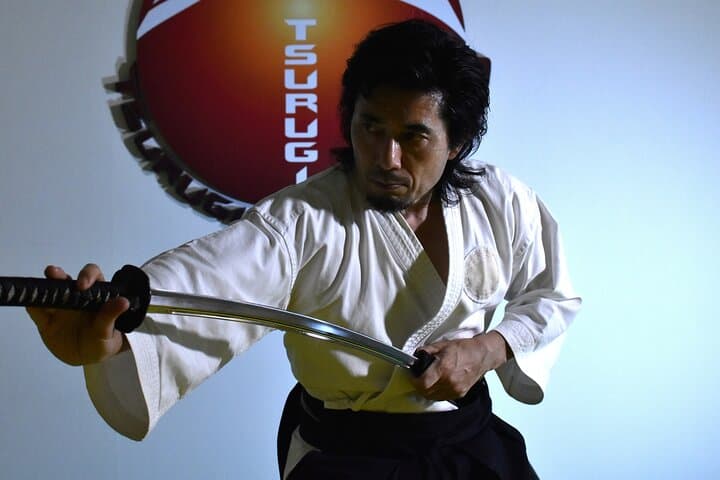
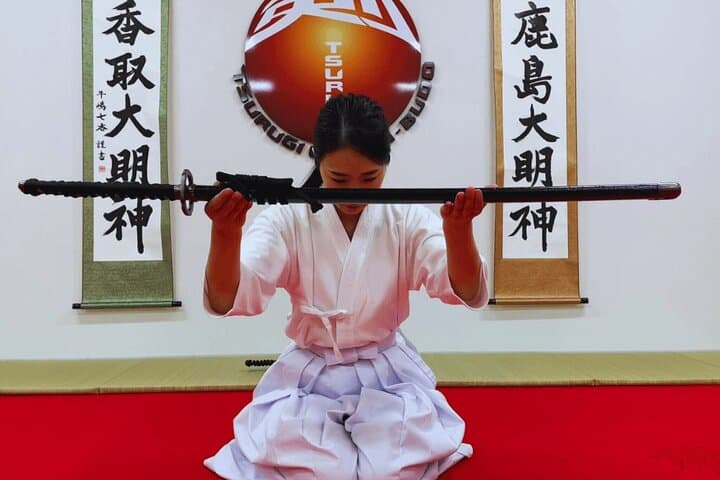
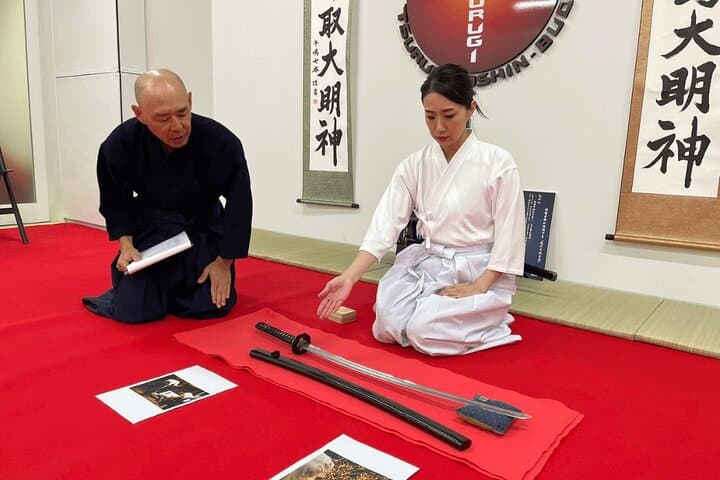
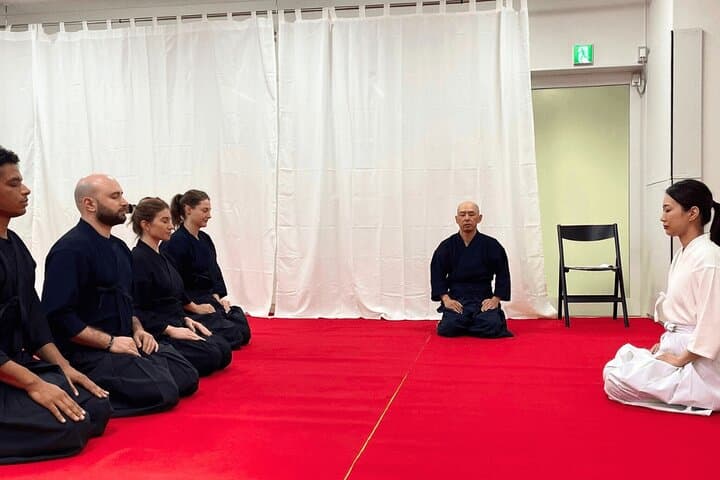
The dojo feels compact and purposeful: wooden floors, a single wall of mirrors, and the muted slide of fabric as students don samurai attire. In Kojimachi, a short walk from the Imperial Palace grounds, the lesson begins with quiet breathing—an invitation to slow the city and tune a body built for movement.
The dojo feels compact and purposeful: wooden floors, a single wall of mirrors, and the muted slide of fabric as students don samurai attire. In Kojimachi, a short walk from the Imperial Palace grounds, the lesson begins with quiet breathing—an invitation to slow the city and tune a body built for movement.
Kojimachi sits on land once inside Edo Castle's defenses, where samurai refined technique and composure. The class threads history and practice: instructors outline Bushido principles, demonstrate kenjutsu forms, and guide beginners through wooden-sword basics and strength work with a heavy training stick.
Expect posture drills, silent walking to test balance and awareness, then a taught kata that ties strikes, footwork, and timing into a single sequence. The session culminates in controlled one-on-one sparring with an instructor, designed to apply technique safely rather than to win.
Between sets you'll sip matcha and try wagashi, a moment that underscores the cultural frame of the practice. Every participant leaves with a scroll-style certificate and a commemorative photo.
Practical notes: classes run two hours, conducted in English, and require a minimum of two participants. Wear flat-soled shoes or grip socks and clothing that allows rotation of the hips and shoulders. If you have back, heart, or pregnancy restrictions, skip the sparring and tell staff in advance. Arrive 10–15 minutes early to change and learn dojo etiquette. This is a physical cultural lesson—respectful attention and a readiness to follow instruction make it rewarding for beginners and seasoned practitioners alike.